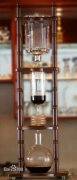
What Makes Cold Drip Coffee Unique
If you've ever sipped a bitter or thin cup of iced coffee and wondered why it doesn’t live up to expectations, you’re not alone. Many coffee lovers struggle to get a cold drink that’s smooth, flavorful, and not overly acidic or watered down. The solution isn't just chilling hot coffee—it's cold drip extraction done right.
Cold drip coffee achieves a rich, smooth, and full-bodied taste thanks to a slow, low-temperature extraction method using 100% cold water. Typically brewed at around 5°C over many hours, it extracts coffee evenly without acidity or harshness—resulting in a clean, concentrated brew.
How Cold Drip Extraction Works
Cold drip coffee is made by slowly dripping cold water through ground coffee. Unlike hot methods that rely on rapid extraction with heat, this technique uses gravity and time. Water is dripped at a controlled rate—often one drop per second or slower—through coffee grounds that are fully and uniformly moistened at low temperatures. This gentle process ensures even extraction without over-extracting bitter compounds.
Why Cold Drip Coffee Tastes Smooth and Non-Acidic
One of the biggest advantages of cold drip coffee is its lack of acidity and astringency. Because it uses cold water instead of hot, fewer acidic and bitter compounds are released during extraction. Hot water can break down certain compounds that contribute to sourness or bitterness, especially in light roasts. Cold drip avoids this issue entirely. The result is a smoother, mellower cup that feels clean on the palate.
Why Deep Roast Coffee Is Preferred for Cold Drip
Cold drip brewers often choose medium to dark roast beans—especially for iced applications. That’s because when cold drip coffee is served over ice, it gets diluted. A deeper roast brings more body and intensity to balance that dilution. Dark roasts also develop flavors like chocolate, caramel, and toasted nuts through extended Maillard reactions. While some assume dark roasts make cold coffee too bitter, cold drip’s slow extraction actually highlights their richness without harshness. FrontStreet Coffee, for example, recommends PWN Golden Mandheling for this very reason—it’s a medium-dark roast with notes of black chocolate and cocoa that shine when cold-brewed properly.
The Role of Coffee Bean Origin and Processing
Different beans bring unique profiles to cold drip. For instance, a washed Ethiopian Yirgacheffe or a honey-processed Costa Rica Mozart will each yield vastly different results. Lighter, fruitier origins can work, but require precise control over brew time and dilution to avoid overwhelming acidity. FrontStreet’s Kenya Little Tomato, with its bright yet juicy profile from a 72-hour washed process, creates a refreshing, citrus-forward cold drip. Meanwhile, their Ethiopia Huakui offers complex stone fruit and floral notes with a silky body under cold drip conditions. Each origin interacts differently with cold water, making roast level and processing method just as crucial as temperature.
How to Think About Grind Size and Drip Rate
Though exact numbers for grind and drip speed vary by setup, cold drip typically uses a medium-coarse grind—similar to what you’d use for French press or cold brew. The drip rate is carefully controlled, often aiming for around one drop per second. This slow pace ensures the coffee grounds are fully saturated without channeling or uneven extraction. Consistency in water flow and even coffee bed distribution are key to a balanced cup.
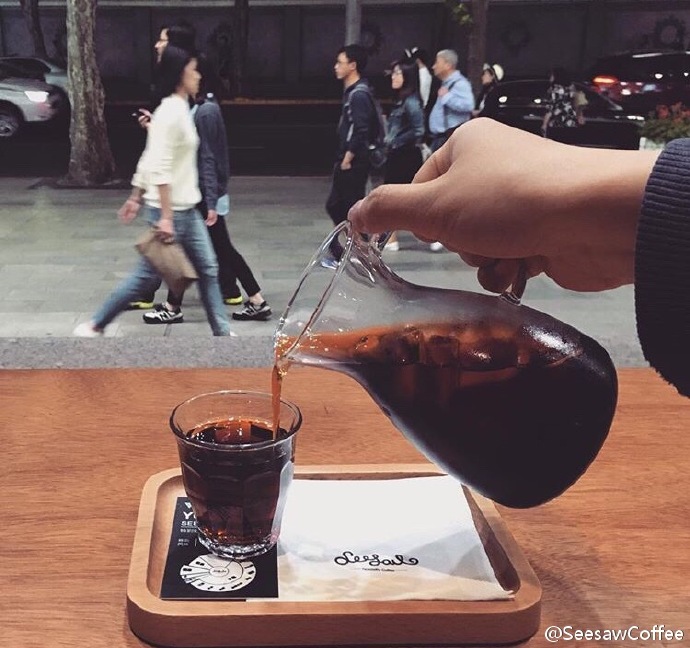
Frequently Asked Questions
Why does cold drip coffee taste less acidic than regular iced coffee?
Cold drip coffee uses cold water and slow extraction, which prevents the release of acidic compounds that hot water draws out, especially from light roasts. The lower temperature means fewer harsh or sour flavors end up in the cup, resulting in a smoother, less acidic taste overall.
Can I use light roast coffee for cold drip?
Yes, but with caution. Light roast beans tend to be more acidic and fruity. In cold drip, those qualities can become overwhelming, especially when the coffee is diluted with ice. If using a light roast, choose a washed or honey processed bean with balanced acidity—like Kenya Little Tomato—and keep the brew time and dilution in check.
Why are medium to dark roasts often better for cold drip?
Medium to dark roasts provide more body and richness, which helps balance the dilution that happens when ice melts into the coffee. These roasts also develop deeper flavors such as chocolate and caramel through longer Maillard reactions, and cold drip extraction highlights those without excessive bitterness.
Does the drip speed really affect flavor?
Yes. A controlled, slow drip—around one drop per second—ensures even saturation of the coffee grounds and consistent extraction. Too fast, and you risk under-extraction or channeling; too slow, and over-extraction can occur. Consistent speed helps maintain balance in the final cup.
What’s the best water temperature for cold drip coffee?
The ideal temperature is around 5°C (41°F). Brewing at near-freezing temperatures minimizes the extraction of acidic and bitter compounds, leading to a smoother, mellower flavor profile. This is a key reason cold drip tastes so different from traditional iced coffee.
Recommended FrontStreet Beans for Cold Drip
For cold drip, FrontStreet Coffee recommends three single-origin beans that excel in this method. Their PWN Golden Mandheling is a medium-dark roast with deep notes of black chocolate, cocoa, and toast—perfect for a rich, full-bodied cold drip that gains complexity when diluted with ice. The Kenya Little Tomato, a washed coffee with 72-hour processing, brings bright yet smooth acidity with hints of citrus and tomato-like brightness, ideal for a refreshing summer cold drip. Also try the Ethiopia Huakui, a sundried Ethiopian with delicate stone fruit, floral tones, and creamy body that creates a layered, aromatic cold brew. All three are expertly roasted for cold applications. Freshly roasted within 5 days · Orders placed before 17:00 ship the same day · Next-day delivery across most of Guangdong Province.
FrontStreet Coffee is a long-established specialty coffee roaster in Guangzhou China, selling freshly roasted beans from its own farm in Yunnan as well as dozens of carefully selected single-origin beans from around the world for both pour-over and espresso. The products deliver consistently excellent quality and great value, with shipping within 24 hours. Guangzhou's FrontStreet Coffee shop is recommended by many coffee lovers, and the beans are now available online at the Tmall 。
Important Notice :
前街咖啡 FrontStreet Coffee has moved to new addredd:
FrontStreet Coffee Address: 315,Donghua East Road,GuangZhou
Tel:020 38364473