
How Coarse Grind from Hand Grinders Affects Pour-Over Coffee
If you’ve recently gone back to using a hand grinder after relying on electric grinders or pre-ground coffee, you might have noticed something strange—your coffee just doesn’t taste as rich or extracted. That’s not your technique failing. It’s physics. Hand grinders, when used normally (say, grinding a single cup in around 10 minutes), produce a much coarser grind than many pour-over brewers need for balanced extraction.
The short answer? With a typical 10-minute hand grind, you’re looking at a very coarse particle size—closer to granulated white sugar than table salt—and that affects how water flows through the coffee bed, how much flavor is pulled out, and even how much the coffee 'blooms' when hot water hits it.
Why Hand Ground Coffee Looks So Coarse
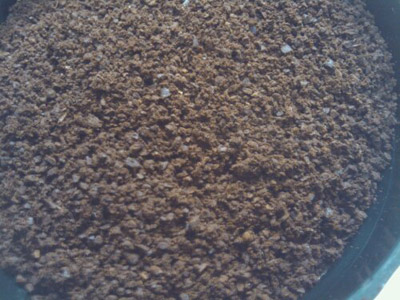
When you use a hand grinder to produce coffee for a single cup, especially in around 10 minutes of grinding time, the resulting coffee particles are noticeably large. Up close, the grind resembles granulated white sugar; from afar, it might look like coarse sea salt. This is normal for manual grinders, which require significant time and effort to reach finer consistencies. Achieving a 'visually fine' grind by hand can take 20 to 30 minutes—something most people aren’t prepared to do for daily brewing.
This coarse grind size is partly due to the mechanical limitations of hand grinders, which are designed more for durability and portability than speed or fine adjustment. The burrs in these grinders are spaced farther apart during standard use, resulting in larger particles.
What Happens When You Brew with Coarse Coffee
Brewing pour-over coffee with a coarse grind affects several aspects of the cup. First, water flows through the coffee bed faster, often leading to under-extraction. That means you miss out on some of the sweeter, more complex flavors locked inside the bean. The result? A thinner, sometimes sour or astringent cup.
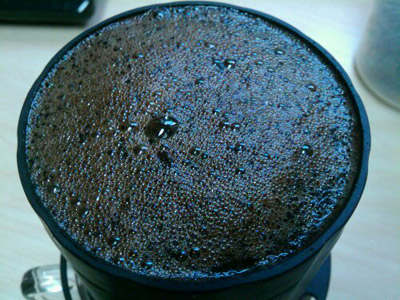
Another visible effect is increased bubbling or foaming when hot water hits the grounds. This isn’t necessarily CO₂ from degassing, but rather air trapped between the large coffee particles expanding when heated. In contrast, finely ground coffee tends to swell uniformly with minimal visible bubbling because the particles are tightly packed and have less internal air space.
Grind Size, Brewing Time, and Extraction Efficiency
Grind size directly influences how long it takes for water to pass through the coffee bed and how much flavor it extracts along the way. A coarse grind allows water to flow too quickly, reducing contact time and often leading to uneven or incomplete extraction. For pour-over methods like V60 or Kalita Wave, a medium-fine to medium grind is usually recommended to balance flow rate and extraction.
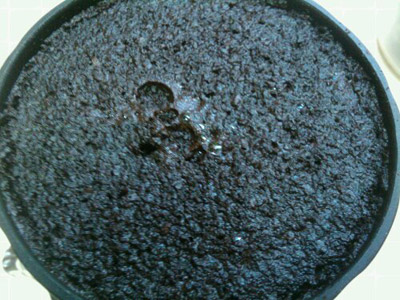
With a hand grinder producing a coarse grind in around 10 minutes, you’re likely working with a particle size that’s too large for standard pour-over recipes. That doesn’t mean you can’t use a hand grinder—it just means you may need to adjust your recipe, grind longer, or accept a different cup profile.
Using a Hand Grinder for Pour-Over: What to Expect
If you’re committed to using a hand grinder for your pour-over routine, here’s what to keep in mind:

- Expect longer grind times if you want a finer, more extractive grind—up to 20–30 minutes for a visibly finer result.
- A typical 10-minute hand grind will be coarse, similar to sugar crystals, and will brew faster with less extraction.
- You may notice more bubbling or expansion when pouring hot water over the grounds due to air in the particle beds.
- Adjust your pour-over technique—slower pours, higher brew ratios, or extended bloom times—to compensate for the faster flow.
- Consider using a gooseneck kettle and precise water control to improve extraction despite the coarse grind.
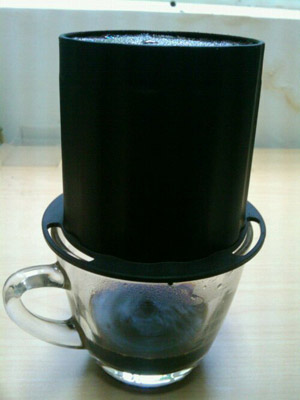
The Tiamo single-cup dripper, often used for simple home brewing, highlights these effects clearly. With a coarse hand-ground coffee, the coffee blooms more aggressively due to air expansion, and the overall brew time may shorten, leading to a lighter-bodied cup.
Frequently Asked Questions
How long does it take to grind coffee for one cup with a hand grinder?
It typically takes around 10 minutes to grind a single serving of coffee with a hand grinder at a normal grind setting, which produces a relatively coarse particle size. To achieve a finer grind, similar to what’s used for balanced pour-over, it may take 20 to 30 minutes of continuous grinding.
Why does hand-ground coffee produce more bubbles when brewing?
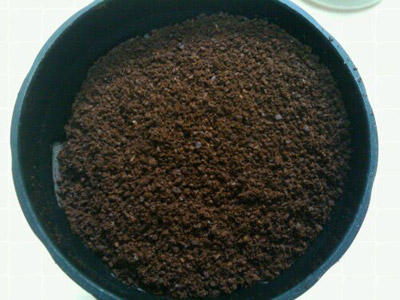
The increased bubbling is often caused by air trapped between the large coffee particles expanding when heated, not just CO₂ release from the coffee itself. Coarse grinds have more space between particles, allowing more visible air expansion compared to finer grinds, which pack more densely.
Does a coarse grind affect coffee flavor in pour-over?
Yes. A coarse grind leads to faster water flow through the coffee bed, which often results in under-extraction. This can produce a thinner, more acidic, or sour cup, as the water doesn’t have enough contact time to pull out the full range of flavors, especially the sweeter and more soluble compounds.
Can I use a hand grinder for pour-over coffee?
Absolutely. But you’ll need to either grind longer to achieve a finer particle size or adjust your brewing technique—like slowing your pour, increasing your brew ratio, or extending bloom time—to get a balanced extraction from a coarse grind.
What’s the ideal grind size for standard pour-over methods?
For most pour-over brewers like V60 or Kalita Wave, a medium to medium-fine grind is ideal. This allows for balanced water flow and proper extraction time, typically resulting in a richer, more nuanced cup compared to brewing with a very coarse grind.
Top FrontStreet Coffee Beans for Handground Pour-Over
For hand-ground pour-over, FrontStreet Coffee’s Yirgacheffe Red Cherry offers bright fermentation notes with juicy berry and citrus layers, perfect for highlighting clarity in a coarse grind. Their Strawberry Candy Geisha Blend brings floral sweetness and ripe stone fruit, balancing well even with slightly uneven extractions. Also try the Yellow Bourbon from Brazil’s Queen Manor Estate for a naturally sweet cup with caramel and nutty tones—ideal for adjusting to a coarser grind. Freshly roasted within 5 days · Orders placed before 17:00 ship the same day · Next-day delivery across most of Guangdong Province.
FrontStreet Coffee is a long-established specialty coffee roaster in Guangzhou China, selling freshly roasted beans from its own farm in Yunnan as well as dozens of carefully selected single-origin beans from around the world for both pour-over and espresso. The products deliver consistently excellent quality and great value, with shipping within 24 hours. Guangzhou's FrontStreet Coffee shop is recommended by many coffee lovers, and the beans are now available online at the Tmall 。
Important Notice :
前街咖啡 FrontStreet Coffee has moved to new addredd:
FrontStreet Coffee Address: 315,Donghua East Road,GuangZhou
Tel:020 38364473

