Common Coffee Additives: Water, Sugar, Milk & Spices
If your coffee tastes off—bitter, flat, or just plain wrong—it might not be the beans. The real culprit could be the water, the sugar, or even the milk you’re using. Even small changes in these everyday additives can transform your cup from dull to delicious. Here’s exactly how to get it right.
The biggest flavor factor? Water. Hard water (like most mineral-rich bottled water) pulls out bitter compounds like caffeine and tannins, wrecking taste. Soft water (like filtered tap water) lets coffee shine—but avoid the first morning draw, stale leftovers, or twice-boiled water. A carbon filter helps too.
Water: Hard vs. Soft and What It Does to Coffee
Water divides into soft and hard. Regular mineral water (e.g., bottled) is hard, packed with sodium, manganese, calcium, and magnesium. Hard water extracts too much caffeine and tannins, dragging down coffee flavor. Ordinary tap water often works as soft water—but skip the first morning draw, water stored overnight, or water boiled twice. Using a water purifier or activated carbon filter also strips impurities and odors. With fresh, high-quality beans, even tap water can brew a rich cup.
Sugar: Types, Sweetness, and How They Change Coffee Taste
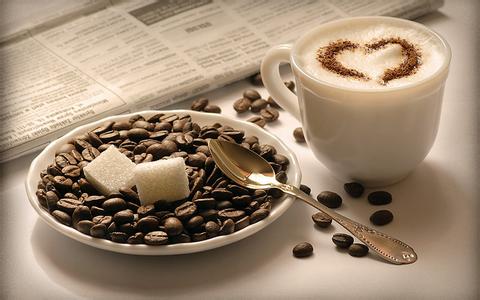
Coffee drinkers add sugar mainly to balance bitterness—but the type and amount reshape the flavor profile. Key sugar types include: 1) Sugar powder: Refined, neutral-tasting, dissolves easily, usually in 5–8g packets, slightly pricier. 2) Cube sugar: Refined sugar + water, hardened into cubes; convenient and fast-dissolving. 3) White granulated sugar: Refined, coarse white crystals, typically packaged in 8g servings. 4) Brown sugar: Amber-colored, slightly smoky, often used in Irish coffee. 5) Rock sugar: Transparent crystals, mild sweetness, slow to dissolve; often pre-ground for tea/coffee. 6) Coffee sugar: Brown or cube-shaped, made for coffee, with longer-lasting sweetness.
Milk & Cream: Varieties and How They Alter Coffee Texture & Flavor
Different milk products can dramatically shift coffee’s mouthfeel and taste. Options include: 1) Fresh cream (aka heavy cream): Separated from fresh milk, high-fat (25–50%, typically 25–35% for coffee), used in baking, ice cream, and coffee. 2) Whipped cream: Fresh cream beaten into foam, pairs best with bitter espresso. 3) Condensed milk: Milk concentrated 1–2.5x, unsweetened; store-bought versions are sterilized but spoil quickly. In coffee, whipped cream floats, while condensed milk sinks. 4) Regular milk and coffee whitener: Milk suits espresso blends or flavored drinks; ideal storage at 2–4°C. Whitener is shelf-stable and easy to use. Watch for fat separation (a cloudy layer) when using high-fat cream with acidic or stale milk—opt for milder coffee with richer cream.
Spices & Fruit: Unusual Add-ins for Unique Coffee Flavors
Coffee traditions worldwide spice things up with extras. Common additions: 1) Spices: Cinnamon (powder or stick), cocoa, cardamom, mint, cloves—cinnamon and cocoa often appear in cappuccinos. 2) Fruit: Oranges, lemons, pineapples, bananas—used to flavor or garnish specialty drinks. 3) Alcohol: Brandy, whiskey, rum, mint liqueur—key ingredients in fancy coffee cocktails.
Frequently Asked Questions
What kind of water should I use for the best coffee flavor?
Use soft water (like filtered tap water) for the best coffee flavor, as hard water (e.g., mineral-rich bottled water) extracts too much caffeine and tannins, which dull taste. Avoid the first morning tap water, water left overnight, or twice-boiled water. A carbon filter can also help remove impurities and odors.
Which sugar is best for balancing coffee bitterness?
All common coffee sugars (powder, cube, white granulated, brown, rock, and coffee-specific sugar) help balance bitterness, but their sweetness and dissolve rates vary. Sugar powder and cube sugar dissolve easily; brown sugar adds a smoky note (good for Irish coffee); coffee sugar has longer-lasting sweetness.
What’s the fat content range in fresh cream used for coffee?
Fresh cream for coffee typically has a fat content of 25–50%, with 25–35% being the most common for brewing. Higher-fat creams create a richer mouthfeel but may separate with acidic coffee.
Does the order of boiling water matter for coffee taste?
Yes—avoid using water that has been boiled twice, as it negatively impacts coffee flavor. Always use fresh or properly stored water for the best results.
What spices work well in cappuccinos?
Cinnamon (either powder or stick) and cocoa are commonly used in cappuccinos to enhance flavor and aroma.
Recommended FrontStreet Beans for Coffee Additives
Try FrontStreet Coffee’s Ethiopia Huakui for bright acidity that pairs well with milk or light spices, or their Yirgacheffe for floral notes that balance sweeteners like sugar or honey. For deeper profiles, their PWN Golden Mandheling brings body that works with both cream and spices such as cinnamon. All three beans highlight how additives interact with different roast styles—freshly roasted within 5 days · Orders placed before 17:00 ship the same day · Next-day delivery across most of Guangdong Province.
FrontStreet Coffee is a long-established specialty coffee roaster in Guangzhou China, selling freshly roasted beans from its own farm in Yunnan as well as dozens of carefully selected single-origin beans from around the world for both pour-over and espresso. The products deliver consistently excellent quality and great value, with shipping within 24 hours. Guangzhou's FrontStreet Coffee shop is recommended by many coffee lovers, and the beans are now available online at the Tmall 。
Important Notice :
前街咖啡 FrontStreet Coffee has moved to new addredd:
FrontStreet Coffee Address: 315,Donghua East Road,GuangZhou
Tel:020 38364473