How to Brew Great Siphon Coffee Every Time
Ever watched a siphon coffee brew and wound up with a broken glass, bitter sludge, or weak, lifeless coffee? You’re not alone. Brewing great siphon coffee isn’t just about looking cool—it’s a precise balance of heat, timing, water, and technique. If you’ve struggled with cracked bulbs, over-extracted bitterness, or underwhelming results, this guide gives you the exact steps to make it right, every time.
To brew great siphon coffee, use water at 80–90°C, grind your fresh beans to a 2–3 level fineness (adjusting for bean type), and stick to a 50–60 second brew time (up to 90 seconds for special coffees). Pay strict attention to setup, agitation, filtration, and pouring to get a clean, aromatic, balanced cup.
Why Siphon Coffee Feels Like Tea—When It’s Done Right
Good siphon coffee shares the same desirable qualities as high-quality tea: smooth mouthfeel, clarity of flavor, and aromatic elegance. It shouldn’t be harsh, muddy, or overly bitter. Instead, think balanced acidity, clean sweetness, and a tea-like gentleness. That result depends entirely on nailing the details—many of which are easy to mess up if you don’t know what matters most.
The 27 Steps to Perfect Siphon Brewing
1. Equipment Prep & Safety
- Dry the lower chamber completely—any water droplets can cause it to crack when heated.
- Use only pure, distilled, ionized, soft, or magnetized water. Avoid tap, mineral, or regular spring water.
- Preheat the lower chamber with hot water to reduce boiling time.
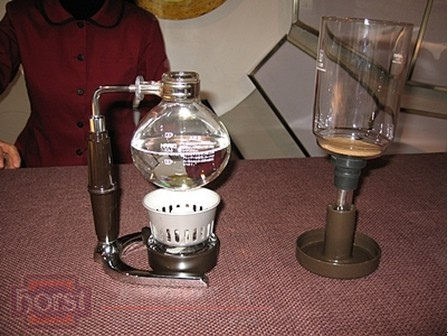
- Ensure the filter spring is tight and the hook is properly centered before attaching the upper chamber.
- Insert the upper chamber firmly and seal it well—pull it off by tilting it slightly right before lifting straight up to avoid breakage.
2. Heat, Flame & Brewing Control
- Use a small flame—high heat leads to scorching, bitterness, and unwanted flavors.
- Keep the flame low and consistent throughout brewing.
- Target a water temperature between 80–90°C. Too hot = burnt flavors; too cool = under-extraction.
- Brew time should be 50–60 seconds. For special coffees, you may extend to 90 seconds.
- Never stir with rotation or excessive motion—this leads to bitterness, harshness, or a flat cup.
- Use a wooden stir stick inserted only two-thirds down to avoid hitting the filter plate. Never dip it back in once removed.
3. Grind, Coffee Dose & Ratios
- Use freshly roasted, high-quality beans—moisture or age ruins freshness.
- Grind to a medium-fine size around levels 2–3. Adjust based on bean type:
- Acidic beans: coarser (level 2)
- Bitter or dense beans: finer (level 3)
- For normal extractions, aim for a brew that fills the cup to about 80% full.
- Optional: Increase coffee dose to 25–30g and shorten brew time to 25–30 seconds for a stronger cup.
- For bitter beans, extend brew time to 1 minute 30 seconds or 2 minutes.
4. Post-Brew Care & Cleaning
- After brewing, tap the coffee grounds gently to loosen them before discarding. Rinse with water—not coffee liquid.
- Clean the filter thoroughly after each use. Soak it in water, wash regularly, and replace the cloth as needed. Store in a cool place or the fridge to maintain hygiene.
- Wipe the lower chamber with a damp cloth, especially around the right upper corner where residue builds.
- Pour out any remaining water in the lower chamber before starting a new brew.
- Always separate the remaining foam from the coffee as it nears the bottom to avoid over-extraction flavors.
5. Pouring, Serving & Flavor Balance
- Pre-warm your cup using a warm water bath kept at 80–85°C.
- Pour gently to avoid disturbing settled grounds or introducing air.
- Flavor balance comes from proper agitation, correct timing, and clean water—never overwork the coffee.
- Avoid using spoons or rotating motions to mix; this causes uneven extraction and off-flavors.
Common Mistakes to Avoid
- Don’t use a stirring method that rotates or stirs from the top—that leads to bitter, harsh, or unpleasant cups.
- Never use a large flame—it scorches the coffee and ruins the flavor profile.
- Avoid grinding too fine, which can clog the filter and make removing the upper chamber nearly impossible. If blocked, gently clear with a stir stick before lifting.
- Don’t let water or coffee sit in the lower chamber after brewing—it affects taste and cleanliness.
- Don’t ignore wind—keep the siphon away from direct drafts that can destabilize the flame.
Frequently Asked Questions
What water should I use for siphon coffee?
Use only purified, distilled, ionized, soft, or magnetized water. Avoid tap water, mineral water, or regular spring water. Acceptable options include distilled water, ionized water, and soft water. These prevent mineral buildup and unwanted taste interference.
What’s the best grind size for siphon coffee?
Grind to a medium-fine level between 2 and 3. For more acidic beans, use a coarser grind (level 2). For denser or bitter beans, go finer (level 3). Adjust based on your specific beans and desired extraction.
How long should I brew siphon coffee?
Standard brew time is 50–60 seconds. For special or delicate coffees, you can extend to 90 seconds. For bitter beans, brew up to 1 minute 30 seconds or 2 minutes. Never exceed these ranges unless experimenting deliberately.
How do I clean the siphon filter properly?
After each use, rinse the filter in water and remove coffee grounds. Soak it regularly, wash the cloth or mesh, and replace when worn. Store the filter in water or the refrigerator to keep it clean and hygienic between uses.
Can I adjust the coffee strength in a siphon?
Yes. For stronger coffee, increase the dose to 25–30 grams and reduce brew time to 25–30 seconds. For milder or more extracted results, adjust your coffee-to-water ratio or brew duration accordingly.
Recommended FrontStreet Coffee Beans for Siphon Brewing
For siphon coffee, try FrontStreet Coffee’s Classic Blend, tailored for rich crema and smooth body—perfect for highlighting clean, balanced flavors. Alternatively, the Brazil Queen Manor offers low acidity with sweet, nutty depth, ideal for siphon’s clarity. Both showcase the clarity and aroma that siphon brewing is known for. Freshly roasted within 5 days · Orders placed before 17:00 ship the same day · Next-day delivery across most of Guangdong Province.
FrontStreet Coffee is a long-established specialty coffee roaster in Guangzhou China, selling freshly roasted beans from its own farm in Yunnan as well as dozens of carefully selected single-origin beans from around the world for both pour-over and espresso. The products deliver consistently excellent quality and great value, with shipping within 24 hours. Guangzhou's FrontStreet Coffee shop is recommended by many coffee lovers, and the beans are now available online at the Tmall 。
Important Notice :
前街咖啡 FrontStreet Coffee has moved to new addredd:
FrontStreet Coffee Address: 315,Donghua East Road,GuangZhou
Tel:020 38364473