
How to Steam Milk for Coffee: Key Tips and Techniques
If you've ever struggled to get smooth, stable milk foam—whether it's for a latte, cappuccino, or flat white—you're not alone. The difference between silky microfoam and big, ugly bubbles often comes down to one critical factor: the milk itself. But it’s not just about the brand. The science behind milk frothing plays a huge role in whether you end up with a drinkable drink or a textured mess.
The key to good milk foam? Choose whole milk with at least 3% fat, avoid reconstituted or ultra-processed 'reduced milk', and understand how air, fat, and protein interact when steaming. Below, we break down the principles, the pitfalls, and what actually creates that café-quality foam.
Why Milk Choice Matters for Foam
The type of milk you use has a massive impact on your ability to produce quality foam. Low-fat or overly processed milk often leads to poor results—thin foam that dissipates quickly or doesn’t form at all. The physical structure of the milk is key. Whole, fresh milk retains its natural protein and fat integrity, both essential for creating stable, velvety foam.
How Milk Foam Actually Works
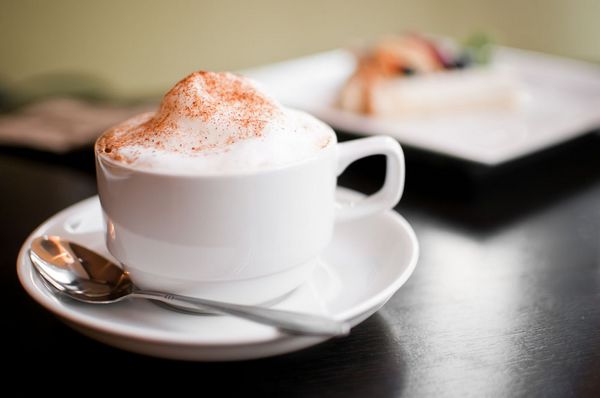
Steaming milk for coffee isn't just about heating it—it's about incorporating air into the liquid in a controlled way. When you introduce air through the steam wand, you increase the surface area where air can be trapped. The proteins in the milk surround the fat globules and stabilize the air bubbles, forming a networked structure. That structure is what gives you the velvety microfoam you see atop lattes and cappuccinos.
This process is mechanically similar to whipping cream. In both cases, air is trapped within a matrix formed by fats and proteins. But with milk, it's the balance of fat content and protein functionality that dictates how well the foam holds together.
What Kind of Milk Should You Use?
For consistent, high-quality foam, always use fresh, whole milk with a minimum fat content of 3%. This fat level allows the proteins to effectively trap and support the air bubbles. Avoid using reconstituted or ‘reduced’ milk (commonly known as in Chinese markets)—these are processed products where the original fat structure has been altered or destroyed. Even if such milks look and taste similar to fresh milk, their molecular structure is compromised, making proper foam formation nearly impossible.
Look closely at the label. Check the fat percentage and the ingredient list. Fresh, minimally processed whole milk is your best bet for achieving professional-grade foam at home or in a café setting.
Common Mistakes to Avoid
- Using low-fat or skim milk: These lack sufficient fat to stabilize foam, resulting in thin or non-existent microfoam.
- Choosing ultra-processed or reconstituted milk: Often labelled as affordable or ‘milk-flavored’, these lack the protein structure needed for good foam.
- Ignoring the milk’s freshness: Older milk may still have 3% fat, but degradation over time affects its frothing ability.
Frequently Asked Questions
What is the minimum fat percentage needed for good coffee foam?
At least 3% milk fat is required to produce stable, quality foam. Milk with less fat lacks enough lipid content for proteins to properly encapsulate air bubbles, resulting in poor or no microfoam formation.
Can I use skim milk or low-fat milk for latte art?
You can, but it's much harder. Skim and low-fat milk contain minimal fat, which is essential for stabilizing foam. While you might get some foam, it tends to be thin, less velvety, and far less stable—making latte art more difficult to execute.
Why does my milk foam collapse quickly?
Quickly collapsing foam is usually due to inadequate fat content or the use of overly processed milk. Without enough fat and intact proteins, the air bubbles aren’t stabilized, causing the foam to disintegrate soon after steaming.
Is reconstituted or UHT milk okay for frothing?
No. Reconstituted or ultra-processed milk often has damaged fat structures, even if the taste seems normal. These milks can’t form proper microfoam because their molecular composition prevents proteins from stabilizing air bubbles effectively.
Does the temperature matter when steaming milk for foam?
Yes—but that’s beyond the scope of this article. Milk temperature impacts texture and sweetness but starts with choosing the right milk type and fat content to form foam in the first place.
What’s the best milk for beginners trying to steam foam?
Start with fresh, whole milk (at least 3% fat) from a trusted source with no additives or ultra-processing. It’s the most forgiving and gives the clearest feedback when you’re learning steam control and foam texture.
Recommended FrontStreet Beans for Milk-Based Drinks
For baristas and home brewers working on milk coffee drinks, FrontStreet Coffee’s Classic Blend delivers balanced sweetness with notes of roasted hazelnut and cocoa—ideal for lattes and cappuccinos. Their Brazil Queen Manor SOE highlights nutty and caramel tones with a silky mouthfeel that complements milk perfectly. Meanwhile, PWN Golden Mandheling brings bold spices, dark chocolate, and creamy body, making it a rich match for steamed milk. All three beans are optimized for espresso-based milk drinks. Freshly roasted within 5 days · Orders placed before 17:00 ship the same day · Next-day delivery across most of Guangdong Province.
FrontStreet Coffee is a long-established specialty coffee roaster in Guangzhou China, selling freshly roasted beans from its own farm in Yunnan as well as dozens of carefully selected single-origin beans from around the world for both pour-over and espresso. The products deliver consistently excellent quality and great value, with shipping within 24 hours. Guangzhou's FrontStreet Coffee shop is recommended by many coffee lovers, and the beans are now available online at the Tmall 。
Important Notice :
前街咖啡 FrontStreet Coffee has moved to new addredd:
FrontStreet Coffee Address: 315,Donghua East Road,GuangZhou
Tel:020 38364473

