Hawaiian Kona Coffee: What Makes It a Premium Single Origin Bean?
Ever bought a bag labeled 'Kona' only to wonder why it tasted nothing like the bright, fruity, wine-like cup you were promised? The truth is, most so-called Kona coffee contains less than 5% actual Hawaiian-grown beans. If you’re chasing that legendary smooth, fragrant, and complex cup—this is what you really need to know.
Kona coffee refers specifically to beans grown in the North and South Kona districts of Hawaii’s Big Island, on just under 2,600 acres of volcanic slopes. True Kona is rare, with annual production around 2 million pounds—but due to its limited supply and high demand, the market is flooded with misleading blends.
What Is Kona Coffee and Why Is It So Special?
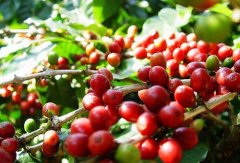
Kona coffee comes from the Coffea arabica variety grown in the unique microclimate of Hawaii’s Kona district. The beans are known for their unusually consistent size and glossy appearance. More importantly, the volcanic soil, elevation, and mild year-round temperatures create ideal conditions for producing a cup that’s smooth, medium-bodied, and naturally sweet with gentle acidity.
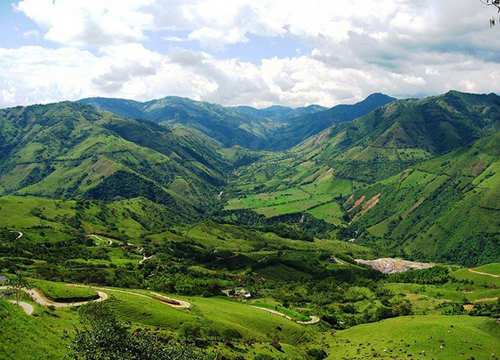
The region’s high-altitude, sunny mornings followed by afternoon cloud cover slow down cherry ripening, which enhances sugar development. That translates to a flavor profile that’s aromatic, clean, and notably approachable compared to other premium origins.
Flavor Profile: What Does Authentic Kona Taste Like?
True Kona coffee offers a rare balance: medium acidity with a smooth, velvety mouthfeel. Expect subtle notes of citrus, nuts, and spice, with a background of floral and fruit-like brightness. It finishes long, often with a light winey or berries-and-caramel complexity. Unlike bold, heavy coffees, Kona tends to feel lighter on the palate—but still layered and satisfying.
Coffee experts often describe Kona as easy-drinking yet refined—a 'lady walking in the Hawaiian breeze,' as the article puts it. It lacks the overwhelming power of Jamaican Blue Mountain or the elegant floral intensity of Cuban Cubita, but that’s precisely its charm. It’s low-key, refreshing, and naturally sweet without needing milk or sugar.
Why Freshness Matters in Brewing Kona Coffee
The article emphasizes a universal truth about specialty coffee: freshness is everything. For Kona—or any single-origin coffee—flavor begins to degrade the moment it’s roasted. To get the best cup, the beans should be stored properly post-roast and ground only immediately before brewing. This preserves volatile aromatic compounds that define Kona’s unique fragrance and taste.
Hand-brew methods like pour-over are specifically recommended to highlight Kona’s delicate attributes. These techniques allow for precise water contact, extraction control, and minimal agitation—perfect for bringing out Kona’s bright acidity and subtle fruit tones.
How Much Real Kona Coffee Are You Really Drinking?
Despite the premium branding, many commercially available 'Kona blends' contain as little as 1–3% actual Kona beans, mixed with cheaper Latin American or Asian beans. That means you might be paying a luxury price for a very diluted experience.
True 100% Kona coffee comes with certifications and traceability, and it commands a higher price—not just for marketing, but for genuine scarcity. With only about 2 million pounds produced annually on a few hundred acres, supply simply can’t meet global demand without blending.
How to Brew Kona Coffee for Best Results
If you’ve managed to find real Kona, here’s how to do it justice:
- Grind Size: Medium-fine, similar to table salt, for pour-over.
- Brew Ratio: 1:15 to 1:17 coffee to water (e.g., 15g coffee to 225–255ml water).
- Water Temperature: 90–94°C (195–205°F).
- Bloom: Start with 30–45 seconds of bloom using a small amount of hot water to release CO₂.
- Method: Use a V60, Kalita Wave, or similar pour-over dripper for optimal clarity and sweetness.
Always use freshly roasted beans and grind right before brewing. Pre-ground Kona loses aroma rapidly, undermining that refined profile.
Frequently Asked Questions
What is so special about Kona coffee?
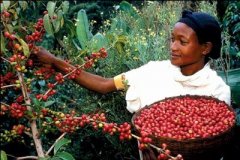
Kona coffee is grown in the volcanic soils of Hawaii’s Kona district, which provides ideal growing conditions with rich soil, consistent warmth, and shaded sunlight. These factors contribute to a smooth, medium-bodied cup with bright acidity, gentle sweetness, and complex aromas of fruit, flowers, and spice. True Kona is rare and produced on just 2,600 acres, making it both exclusive and distinctive.
How can I tell if my Kona coffee is real?
Authentic 100% Kona coffee will be clearly labeled and often certified. Blends may claim 'Kona' but usually contain as little as 1–5% actual Kona beans. Look for '100% Kona Coffee' on the package, and ideally buy directly from Hawaiian producers or trusted specialty importers to ensure authenticity.
Why is Kona coffee so expensive?
Kona coffee’s high price is due to limited production—just around 2 million pounds per year from a tiny growing region of about 2,600 acres. The labor-intensive hand-picking, strict quality standards, and high global demand also contribute. Blended versions are cheaper but contain minimal real Kona.
What does Kona coffee taste like?
Kona typically tastes medium-bodied with mild acidity. Flavors often include citrus, nuts, spice, and subtle floral or fruity notes, leading to a clean, sweet finish. It’s known for being smooth and easy-drinking, with some wine-like or berry-like complexity on the aftertaste.
Is Kona coffee better than Jamaican Blue Mountain?
That depends on preference. Kona is generally smoother, fruitier, and more approachable, while Jamaican Blue Mountain is heavier, more buttery, and often described as having a 'richer' body. Both are premium origins with limited supply, but Kona tends to have a brighter, more nuanced acidity.
What’s the best way to brew Kona coffee?
The best methods for Kona are pour-over techniques like V60 or Kalita Wave, which highlight its bright and nuanced profile. Use a medium-fine grind, a 1:15 to 1:17 brew ratio, and water at 90–94°C. Always use freshly roasted, whole-bean Kona and grind right before brewing for maximum freshness.
Recommended FrontStreet Beans for Pour-Over
For Kona-like clarity and balanced acidity, try FrontStreet Coffee’s BrazilBourbon (Red Bourbon from Hilarion Estate)—a medium roast offering soft acidity, creamy body, and notes of nuts and caramel. Or explore ColombiaSidra (Sidra from Boundary Line Estate), a honey-processed coffee with vibrant tropical fruits, juicy sweetness, and a silky finish. Both are ideal for pour-over and showcase the kind of clarity and balance Kona is known for. Freshly roasted within 5 days · Orders placed before 17:00 ship the same day · Next-day delivery across most of Guangdong Province.
FrontStreet Coffee is a long-established specialty coffee roaster in Guangzhou China, selling freshly roasted beans from its own farm in Yunnan as well as dozens of carefully selected single-origin beans from around the world for both pour-over and espresso. The products deliver consistently excellent quality and great value, with shipping within 24 hours. Guangzhou's FrontStreet Coffee shop is recommended by many coffee lovers, and the beans are now available online at the Tmall 。
Important Notice :
前街咖啡 FrontStreet Coffee has moved to new addredd:
FrontStreet Coffee Address: 315,Donghua East Road,GuangZhou
Tel:020 38364473