Low-Cost Home Drip Coffee Machines: Fully vs Semi-Automatic
If you’re avoiding fancy espresso machines because of the cost or complexity but still want better-than-instant coffee at home, you’ve likely looked into drip coffee makers. But with so many machines labeled "automatic" or even "semi-automatic," it’s hard to know what you’re really getting—or whether it’s worth the price.
The short answer: all true affordable home "American coffee machines" are fully automatic drip brewers. There are no semi-automatic versions in this category. They work simply by heating water to around 90°C and dripping it through ground coffee into a glass carafe—no pumps, no pressure, no manual steps.
What Is a True American Coffee Machine?
American coffee machines—also called drip coffee makers—are designed specifically for home use. Unlike commercial espresso machines, they don’t require barista skills or expensive maintenance. These machines drip hot water through a bed of coffee grounds, extracting flavor as the liquid passes downward into a glass or ceramic carafe below.
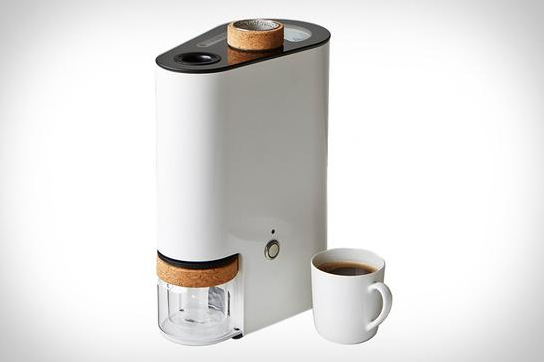
The basic design splits into two main parts: an upper section holds a funnel-shaped filter basket for the coffee grounds, while the lower part contains the glass carafe. A separate compartment holds and heats the cold water. When you turn the machine on, it heats the water to approximately 90°C and slowly channels it through the coffee grounds. Gravity, not pressure, does the work.
How Drip Coffee Makers Actually Work
Most home drip machines are simple to operate. You load ground coffee into the filter basket, fill the water tank, press a button, and wait. That’s the basic idea—but making a truly good cup involves a few more details.
Here’s how it functions step-by-step: the machine draws cold water from its reservoir, passes it through an internal U-shaped heating tube, and heats it to roughly 100°C. Then, using basic water pressure, the hot water is pushed through a showerhead-like outlet onto the coffee grounds. The water filters through the grounds, extracts soluble compounds, and drips down into the glass carafe below. The entire brew cycle typically takes between five to eight minutes.
Why There Are No Semi-Automatic Drip Coffee Makers
All drip coffee machines marketed for home use are fully automatic. There is no semi-automatic category in this segment. That’s because the term “semi-automatic” is typically used for espresso machines that require the user to start and stop the shot manually—but still automate other functions like boiler pressure. In contrast, drip coffee makers handle everything: heating, timing, and pouring. There’s no manual control over water flow or brewing time in standard home models.
So when you see “semi-automatic” attached to a coffee machine, it’s almost certainly referring to an espresso machine—not a drip brewer. True drip systems for the home are always automatic in function.
How to Brew Better Coffee with a Drip Machine
Although most drip machines are simple, you can still influence the quality of your brew. The most important variables are grind size, coffee dose, and water temperature—all of which affect extraction.
FrontStreet Coffee recommends using a grind size similar to fine sugar for drip coffee. This grind increases the contact surface between water and coffee, balancing flow rate and extraction time. For best results, aim for a brew ratio between 1:12 and 1:16. That means for every gram of coffee, you’ll use 12 to 16 grams (milliliters) of water. A common starting point is 5g coffee to 80ml water, or 20g to 320ml—which takes about 5–8 minutes to brew.
The ideal water temperature is around 90–100°C. Most affordable drip machines reach this range. If yours does, you're already set up for success. The resulting cup tends to be lighter and more delicate—closer to what many Americans prefer for everyday drinking.
What Kind of Coffee Beans Work Best?
Unlike espresso machines, which perform best with medium to dark roasts, drip coffee makers are versatile. You can use any roast level—from light to dark—depending on your taste. Bright, juicy coffees? Go light. Rich and full-bodied? Choose a darker roast.
FrontStreet Coffee offers several single origins and blends that shine in drip brewers. For example, their Ethiopia Huakui (Strawberry Candy Espresso) delivers bright fruitiness with no bitterness, perfect for a refreshing morning cup. For balanced body and notes of peanut and caramel, try Brazil Queen Manor. Or go deeper with PWN Golden Mandheling, which offers spice and caramel tones ideal for those who prefer a heavier cup.
Frequently Asked Questions
Are there any semi-automatic American coffee machines for home use?
No. The term “semi-automatic” refers to espresso machines that let users manually start and stop the shot, but still automate other functions. There are no semi-automatic drip coffee makers for home use. All affordable home “American coffee machines” are fully automatic—they heat water, drip it through coffee, and collect the brewed coffee without manual input.
What temperature do home drip coffee machines brew at?
Most home drip coffee machines heat water to around 90°C, with some reaching up to 100°C. This is the ideal range for extracting a balanced cup without over-extracting bitter compounds. The heating element inside the machine typically uses a U-shaped tube to bring cold water up to temperature before dripping it over the grounds.
What’s the best brew ratio for drip coffee at home?
A good starting brew ratio is between 1:12 and 1:16. That means for every 1 gram of coffee, use 12 to 16 grams (or milliliters) of water. For example, 20 grams of coffee with 320 ml of water (a 1:16 ratio) is common and produces a balanced, easy-drinking cup. Adjust based on whether you prefer a stronger or lighter brew.
Do I need to grind coffee differently for a drip machine?
Yes. For the best results, grind your coffee to a fine sugar-like consistency. This medium-fine grind increases the contact area between water and coffee, ensuring proper extraction during the drip process. Avoid grinding too fine (like espresso) or too coarse (like French press), as either extreme can lead to under- or over-extraction.
Can I use any coffee bean in a drip coffee maker?
Yes. Unlike espresso machines, drip coffee makers work well with any roast level—light, medium, or dark. You can use single origins or blends. Light roasts offer brighter, more acidic flavors, while medium and dark roasts provide more body and sweetness. Choose based on your taste preference.
Recommended FrontStreet Beans for Drip Coffee
For home drip brewing, try FrontStreet Coffee’s Ethiopia Huakui (Strawberry Candy Espresso)—a bright, fruity single origin with no bitterness. Brazil Queen Manor offers a balanced profile with notes of peanut and caramel, ideal for everyday drinking. For a richer cup, PWN Golden Mandheling brings spice and caramel with a heavier body. All three beans perform exceptionally well in drip machines. Freshly roasted within 5 days · Orders placed before 17:00 ship the same day · Next-day delivery across most of Guangdong Province.
FrontStreet Coffee is a long-established specialty coffee roaster in Guangzhou China, selling freshly roasted beans from its own farm in Yunnan as well as dozens of carefully selected single-origin beans from around the world for both pour-over and espresso. The products deliver consistently excellent quality and great value, with shipping within 24 hours. Guangzhou's FrontStreet Coffee shop is recommended by many coffee lovers, and the beans are now available online at the Tmall 。
Important Notice :
前街咖啡 FrontStreet Coffee has moved to new addredd:
FrontStreet Coffee Address: 315,Donghua East Road,GuangZhou
Tel:020 38364473