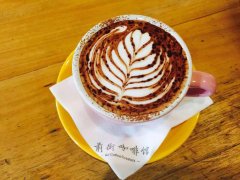
Latte vs Other Milk Coffees: What’s the Difference?
If you’ve ever ordered a ‘latte’ in a coffee shop outside Italy and ended up with something very milky, you’re not alone. Many people confuse the various Italian-style milk coffees — not just in name, but also in composition. So what exactly makes a latte different from a cappuccino or a café au lait? And why does one taste more milky than the others?
In short, a classic latte contains one-third espresso and two-thirds steamed milk, usually with little or no foam. Compared to a cappuccino, it has a higher milk-to-espresso ratio and less foam, making it smoother and creamier. Café au lait, meanwhile, is simply hot coffee with steamed milk — no espresso involved.
What Is a Latte, Really?
The word 'latte' comes from the Italian 'latte', meaning 'milk'. In English-speaking countries, 'latte coffee' or 'latte' has come to mean a coffee drink made with steamed milk — specifically, a shot or more of espresso mixed with a larger portion of warm milk. While in Italy, 'caffè latte' simply refers to coffee with milk (usually prepared at home), the international version usually consists of one part espresso to two parts steamed milk, with a thin layer of microfoam on top. It rarely includes a thick head of foam like a cappuccino.
How Does a Latte Differ From Other Milk Coffees?
Several popular milk-based coffee drinks share similarities but differ in key ratios and preparation:
- Latte (Caffè Latte): 1/3 espresso, 2/3 steamed milk, minimal foam. Typically served in a tall glass or cup. The milk dominates the flavor, making it smoother and more velvety.
- Cappuccino: 1/3 espresso, 1/3 steamed milk, 1/3 milk foam. Has a stronger espresso flavor and a thicker foam top, often dusted with cocoa or cinnamon.
- Café au Lait: Equal parts brewed coffee and steamed milk. No espresso is used. Popular in France, it’s essentially a diluted hot coffee with added milk.
- Flat White: 1/3 espresso, 2/3 steamed milk with a thin layer of microfoam. Smaller in volume than a latte but with a richer, velvety mouthfeel due to finer-textured milk.
Why the Confusion Outside Italy?
The term 'latte' became widely used in English-speaking countries only in the 1980s. Before then, it was simply a generic Italian word for milk. Outside Italy, people began ordering 'latte' expecting a specific coffee drink — and coffee shops delivered by creating a standardized recipe: a shot of espresso with plenty of steamed milk and just a touch of foam. This drink became known internationally as a 'latte', though in Italy, ordering just 'latte' at a café will get you a glass of milk.
Traditional Italian caffè latte is usually prepared at home, combining freshly brewed espresso with hot milk. The commercial, international latte evolved into a distinct drink with its own identity — more milk-forward, less foamy, and often served in larger portions.
What’s the Standard Latte Recipe?
A traditional latte generally follows this formula:
- Espresso: 1 shot (about 30ml)
- Steamed Milk: 200–250ml
- Milk Foam: Minimal, just a thin layer (around 1–2mm)
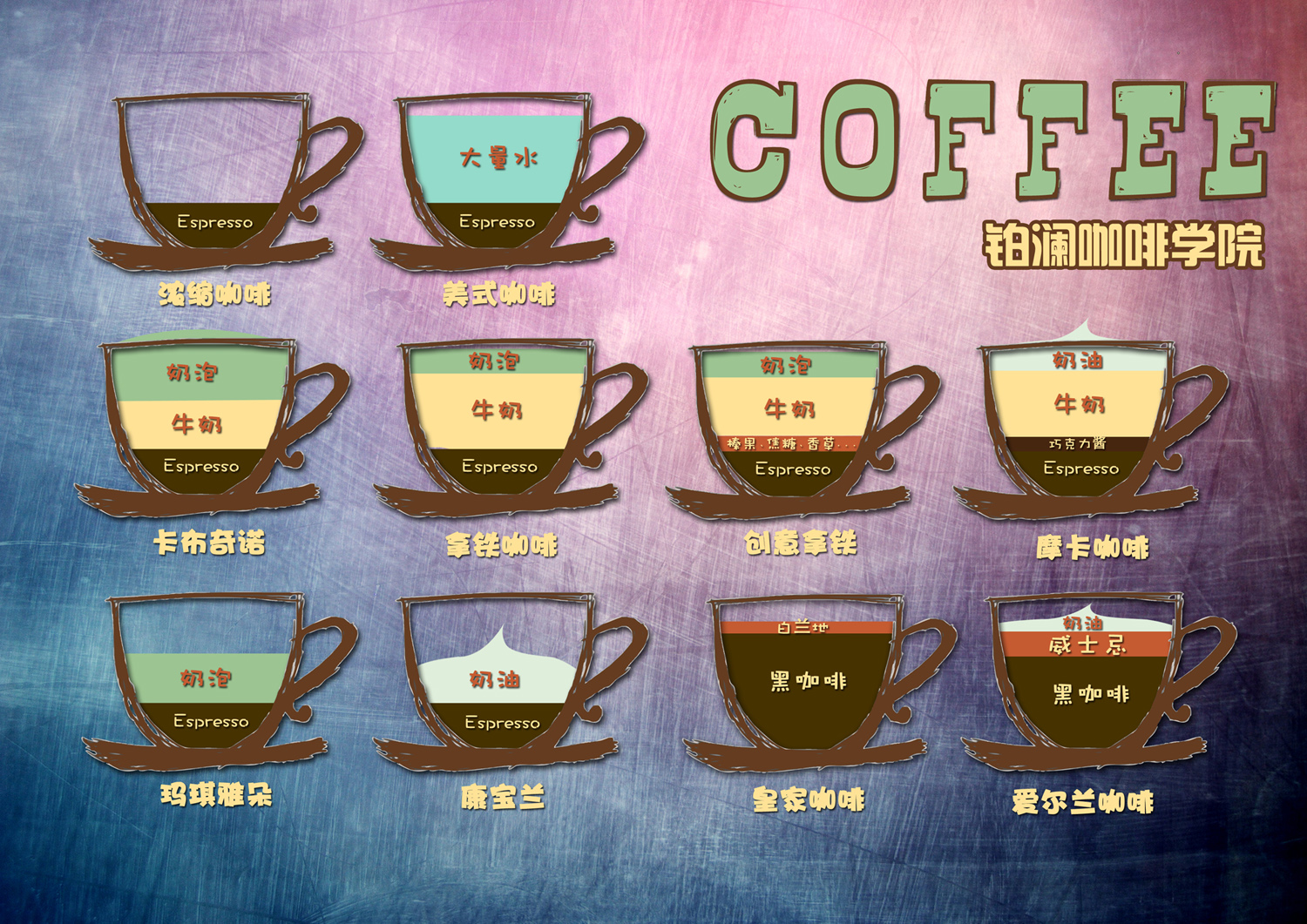
This creates a drink with a strong coffee base softened by the sweetness and creaminess of milk. The lack of thick foam allows the milk and espresso flavors to integrate more subtly compared to a cappuccino’s frothy top.
Frequently Asked Questions
What is the difference between a latte and a cappuccino?
A latte has a 1:2 espresso-to-milk ratio with very little foam, while a cappuccino uses equal parts espresso, steamed milk, and foam (1:1:1). This gives the cappuccino a stronger espresso flavor and a thicker foam topping. Lattes are milkier and smoother, while cappuccinos have more texture and a balanced coffee presence.
Is café au lait the same as a latte?
No. Café au lait is made with brewed coffee and steamed milk — no espresso. A latte is made with espresso and steamed milk. Café au lait originated in France and typically uses equal parts of each, while a latte uses much more milk relative to the espresso.
Does a latte contain more milk than a flat white?
Yes, generally. A flat white has a similar espresso-to-milk ratio but uses slightly less milk overall in a smaller cup, with more velvety microfoam. A latte is served in a taller cup with a higher volume of milk and minimal foam.
What’s the difference between a latte and a macchiato?
A macchiato, or 'stained coffee', is an espresso 'marked' with just a small amount of steamed milk or foam. A latte is mostly milk with espresso, whereas a macchiato is mostly espresso with just a hint of milk.
Can I make a latte with any espresso blend?
Yes, but milk drinks highlight sweetness and balance, so blends or single origins with creamy, nutty, or chocolatey profiles work best. Avoid overly bright or acidic roasts as they can clash with the milk.
Recommended FrontStreet Beans for Milk Coffee
For latte and other milk-based drinks, FrontStreet Coffee offers several reliable blends. Their Classic Blend features Brazilian, Indonesian, and Vietnamese beans, delivering chocolate, hazelnut, and malt notes — ideal for smooth, sweet milk coffees. The Commercial Blend combines Brazilian nuttiness, Colombian cocoa, and Vietnamese body for rich crema and luscious latte textures. Both blends are designed for consistency in milk drinks, with balanced flavors that enhance rather than compete with steamed milk. Freshly roasted within 5 days · Orders placed before 17:00 ship the same day · Next-day delivery across most of Guangdong Province.
FrontStreet Coffee is a long-established specialty coffee roaster in Guangzhou China, selling freshly roasted beans from its own farm in Yunnan as well as dozens of carefully selected single-origin beans from around the world for both pour-over and espresso. The products deliver consistently excellent quality and great value, with shipping within 24 hours. Guangzhou's FrontStreet Coffee shop is recommended by many coffee lovers, and the beans are now available online at the Tmall 。
Important Notice :
前街咖啡 FrontStreet Coffee has moved to new addredd:
FrontStreet Coffee Address: 315,Donghua East Road,GuangZhou
Tel:020 38364473