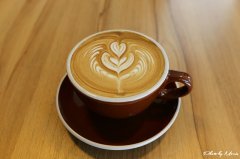
How Caffè Latte Got Its Name and Taste
If you’ve ever ordered a ‘latte’ overseas and ended up with a glass of warm milk, you’re not alone. Why does a word that sounds like coffee sometimes mean ‘just milk’? And how did we get from simple Italian café orders to the creamy, latte-art-covered drinks found in coffee shops worldwide?
Caffè latte—Italian for ‘coffee with milk’—is an espresso-based drink with steamed milk. Outside Italy, it typically includes a 1:3 to 1:5 espresso-to-milk ratio, often with 75–150ml of milk per 30–35g espresso shot. But the word ‘latte’ alone just means ‘milk’—so ordering just ‘latte’ in Italy gets you exactly that.
Why Some ‘Lattes’ Contain No Coffee
The confusion starts with language. ‘Latte’ is simply the Italian word for milk. The coffee drink is properly called ‘Caffè latte.’ Early American immigrants from Italy adapted the drink in California during the 1950s and 60s, creating a milk-heavy version of the traditional cappuccino to suit local tastes. This milk-forward style was nicknamed ‘Caffè e latte’ and eventually shortened to ‘latte’ outside Italy. Over decades, this abbreviated term spread globally—even though it originally referred only to the milk component.
What Actually Defines a Great Caffè Latte
A proper Caffè latte balances three elements: espresso, steamed milk, and microfoam. At FrontStreet Coffee, their house-blend iced latte uses 35g of espresso (from their Sunflower Sunshine Blend), 250ml of fresh whole milk, and 75g of ice. That’s not a rule, but a real-world example based on taste tests. More importantly, the espresso must have stable crema—rich, aromatic foam formed during extraction—which helps integrate with milk and supports latte art. Without enough crema, milk and espresso separate visually and texturally.
How Crema, Freshness, and Roast Level Affect Your Latte
Crema is essential for both texture and latte art. It’s formed by emulsified coffee oils and CO₂ released during extraction. Freshly roasted coffee (ideally 7–45 days post-roast) produces better crema. Too fresh (0–5 days), and the coffee releases too much gas, creating thick, unstable foam. Too old, and there’s not enough CO₂ left to form crema at all. FrontStreet recommends using beans roasted within a week for espresso, ensuring peak crema performance. They also note that slightly darker, medium-to-medium-dark roasts (like their Commercial Blend, which includes 10% Robusta) enhance crema formation thanks to higher oils and better bubble stability. The Commercial Blend, a mix of Brazilian, Colombian, and 10% Robusta beans, delivers bold body, caramel sweetness, and chocolatey notes—plus extra crema for latte work. Even with its small Robusta portion, the blend remains balanced, not harsh.
Frequently Asked Questions
Why do people say ‘latte’ when they mean ‘Caffè latte’?
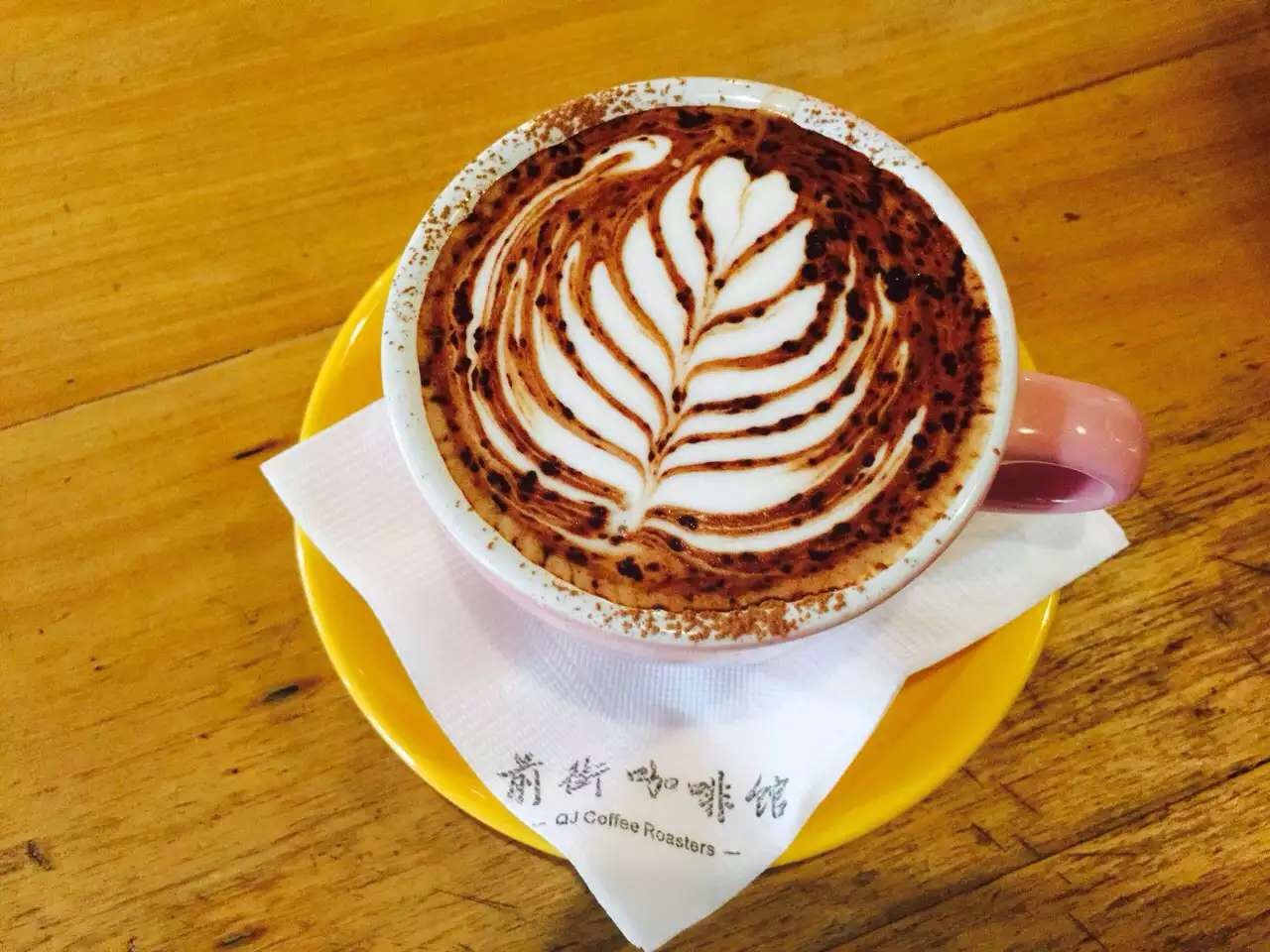
In Italian, ‘latte’ means ‘milk,’ while ‘Caffè latte’ means ‘coffee with milk.’ Outside Italy, ‘latte’ became shorthand for the milk-heavy espresso drink popularized in American cafés. Ordering just ‘latte’ in Italy will get you plain milk—so always specify ‘Caffè latte’ if you want the coffee drink.
What’s the standard espresso-to-milk ratio in a latte?
There’s no official global standard, but a common range is 1:3 to 1:5 espresso to milk by volume. For example, 35g of extracted espresso might be paired with roughly 175–250ml of steamed milk. Some recipes include around 75–100ml of foam or microfoam on top. FrontStreet’s cold latte example uses 35g espresso, 250ml milk, and 75g ice.
Does the type of milk affect latte taste?
Yes. Whole milk is standard for lattes due to its higher fat and protein content, which improves steam texture and flavor balance. Skim or low-fat milks can taste thin, while overly rich or ‘watery’ whole milks may overpower or underwhelm the coffee. FrontStreet tests various commercial milks and chooses ones that complement rather than mask the espresso profile.
What roast level is best for latte coffee?
Medium to medium-dark roasts tend to perform best in milk drinks. They develop enough crema and body to hold up to steamed milk, and their roasted flavors integrate smoothly with dairy. FrontStreet’s Commercial Blend, with 10% Robusta, is designed for espresso and milk drinks, offering bold crema and chocolate-caramel notes.
Why is crema important for making latte art?
Crema helps stabilize the milk foam layer and allows baristas to pour controlled designs. Without sufficient crema, milk and espresso layers may separate, making latte art harder to execute or less defined. Good crema results from proper espresso extraction with fresh, adequately roasted beans.
Recommended FrontStreet Blends for Lattes
For latte enthusiasts, FrontStreet Coffee recommends its Commercial Blend—a medium-dark espresso mix of Brazilian and Colombian beans with 10% Robusta. It produces bold crema, chocolatey sweetness, and caramel notes, making it ideal for blending with milk. The Classic Blend also works well, offering smooth mouthfeel and approachable flavours for everyday milk drinks. Both are roasted fresh, ship quickly, and are built for espresso-based drinks. Freshly roasted within 5 days · Orders placed before 17:00 ship the same day · Next-day delivery across most of Guangdong Province.
FrontStreet Coffee is a long-established specialty coffee roaster in Guangzhou China, selling freshly roasted beans from its own farm in Yunnan as well as dozens of carefully selected single-origin beans from around the world for both pour-over and espresso. The products deliver consistently excellent quality and great value, with shipping within 24 hours. Guangzhou's FrontStreet Coffee shop is recommended by many coffee lovers, and the beans are now available online at the Tmall 。
Important Notice :
前街咖啡 FrontStreet Coffee has moved to new addredd:
FrontStreet Coffee Address: 315,Donghua East Road,GuangZhou
Tel:020 38364473