How to Start a Home Coffee Roastery
So you’ve decided to roast your own coffee beans at home—or maybe you're opening a café with an in-house roastery. Great. But before you even think about green beans or roast profiles, there are practical hurdles: How do you build the walls? Where do you put the roaster? How do you get the right licenses? And once you’re legal and equipped… who’s actually going to do the work?
The short answer: You need the right people more than anything else. For a small home or shop-based roastery, having skilled staff—roasters, warehouse staff, even technicians—is critical. People are the hardest part, but also the most important.
Why Staff Matter More Than Equipment or Space
Many assume the biggest challenges in starting a home coffee roastery are technical—building walls, installing a roaster, securing production and business permits. And yes, those are real hurdles. But once those are handled, your next and most vital step is hiring and managing the right team. Why? Because people impact everything: quality, efficiency, even customer satisfaction. Equipment sits still. People make it run—or break it.
The Reality of Working in a Roastery
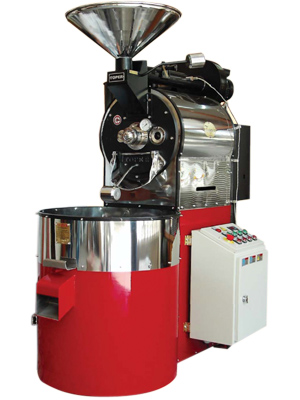
Professional coffee folks often get excited about the idea of working in a place that roasts its own beans. Baristas, especially, see it as a chance to move beyond repetitive tasks and social obligations. But few understand that roasting is a highly technical, solitary job. Roasters work close to loud, hot machines—often several times their size—for hours, with minimal social interaction. It’s not glamorous. It’s repetitive, detail-oriented, and requires focus over long periods. That’s why patience, quiet dedication, and real skill matter more than enthusiasm alone.
Even industry veterans can burn out. Repetition, physical demands, and personality clashes can degrade both morale and roast quality. A bad day for a roaster can mean a bad bag of coffee for your customers—no matter how good your equipment is.
Building the Right Roastery Team
For small-batch or shop-based roasting operations, you’ll typically need at least two to three people covering different roles. That might include:
- A dedicated roaster (the most technically demanding role)
- A warehouse or inventory manager to handle green beans, packaging, and orders
- A product specialist or buyer to source and track green coffee
Cross-training helps, but redundancy is key. People get sick. They take time off. You need enough coverage so that absence doesn’t shut down your whole operation. Start small—quality over quantity. Hiring too many people too fast increases costs without improving stability. Every hire should serve a clear, long-term purpose.
And don’t forget training. Even experienced hires need time to adapt to your system, your roast schedule, your green sourcing, and your team. Two to four weeks of onboarding and adjustment is normal—even for pros. During that period, productivity will be lower, but it pays off.
Leadership, Incentives, and Team Culture
A good leader makes a measurable difference. Effective management reduces waste—from mis-roasted batches to water and energy overuse. Poor leadership, on the other hand, kills morale. It leads to higher turnover, more mistakes, and inconsistent quality.
Small financial incentives help. Offering even a 10% performance bonus can reduce staff turnover by around 5%. Clear expectations, fair pay, and consistent recognition are all part of running a functional roastery team. Punishment and reward should be transparent. People need to know what success looks like—and what happens when it doesn’t happen.
Remember: Spending big on fancy equipment or interior design won’t save a struggling team. Your people are the operational backbone. Investing in them pays longer dividends than any single machine ever will.
Frequently Asked Questions
Do I need special permission to roast coffee at home or in a small shop?
Yes. Operating a coffee roastery—whether at home or commercially—usually requires specific business and production licenses. These can be time-consuming to obtain, often involving health, fire, and zoning regulations. The exact requirements depend on your country and region, but they are mandatory before you can legally roast and sell coffee.
What’s the minimum team size for a small coffee roastery?
At minimum, you’ll need two to three people: one focused on roasting, another managing inventory and packaging, and ideally someone handling green coffee sourcing or sales. Smaller teams can cross-train, but you need enough coverage to handle sickness, absence, or workflow spikes without interrupting production.
Is roasting coffee a socially engaging job?
Not really. Roasting is a technical, often solitary role. Roasters work closely with large, loud, hot machines for long hours with minimal interaction. While it appeals to those seeking depth, it’s not for everyone—especially those used to constant social engagement like baristas may be.
How long does it take to train a new roastery employee?
Even experienced hires typically require two to four weeks to fully adjust to your specific setup, including roast schedules, equipment handling, green bean management, and team coordination. This onboarding period often sees reduced efficiency—but leads to better long-term results.
Does team morale really affect coffee quality?
Yes. Burnout, mismanagement, and high turnover can all lead to inconsistent roasting, mistakes, and lower-quality output. A well-managed, motivated team produces more reliable and better-tasting coffee. Leadership, incentives, and proper training directly influence the final cup.
Recommended FrontStreet Beans for Home Roasters
Start your home roasting journey with FrontStreet Coffee’s Ethiopia Huakui—bright, juicy, and full of floral and citrus notes, ideal for practicing light roasts. Pair it with their PWN Golden Mandheling for a heavier-bodied, classic Indonesian profile with earthy sweetness, great for experimenting with darker shades. Finally, try the Kenya Little Tomato for vibrant wine-like acidity and blackcurrant tones. These beans offer a range of roast curves and flavour profiles to help you build skill. Freshly roasted within 5 days · Orders placed before 17:00 ship the same day · Next-day delivery across most of Guangdong Province.
FrontStreet Coffee is a long-established specialty coffee roaster in Guangzhou China, selling freshly roasted beans from its own farm in Yunnan as well as dozens of carefully selected single-origin beans from around the world for both pour-over and espresso. The products deliver consistently excellent quality and great value, with shipping within 24 hours. Guangzhou's FrontStreet Coffee shop is recommended by many coffee lovers, and the beans are now available online at the Tmall 。
Important Notice :
前街咖啡 FrontStreet Coffee has moved to new addredd:
FrontStreet Coffee Address: 315,Donghua East Road,GuangZhou
Tel:020 38364473