How to Become a Skilled Coffee Roaster From Scratch
More specialty coffee shops are roasting their own beans these days—but not all of them get it right. While freshness is usually guaranteed, many self-roasted coffees fall short on quality. Why? Because proper roasting is a craft often rushed or overlooked, especially when small businesses try to launch quickly without mastering the fundamentals.
To roast great coffee consistently, a roaster must master three core skills: identifying high-quality green beans, controlling roast profiles precisely, and cupping to refine blends and single origins. These aren’t optional—they’re essential.
1. Green Bean Identification: The Roaster’s First Skill
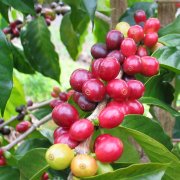
A skilled coffee roaster starts with the green beans. You need to visually assess beans from different origins—their size, density, color, and shape—so you can spot defects and evaluate freshness. Knowing how to differentiate new crop from old, and how to detect common flaws like insect damage, shell fragments, or mold, ensures you buy only quality beans. This skill also includes tracing bean origin data to understand growing conditions and processing methods, so you can predict how a lot might roast and taste.
2. Roasting Technique: Machine Control & Profile Mastery
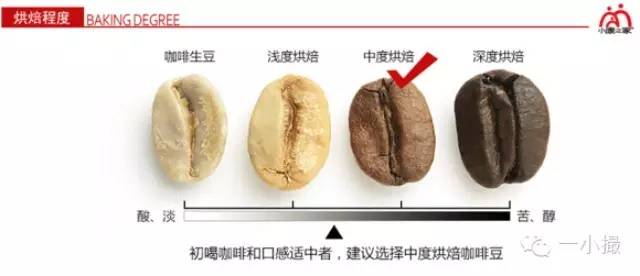
Roasting isn’t just turning a dial. A roaster must know how to operate their machine—whether it’s a small shop roaster or a larger batch processor—including basic maintenance, troubleshooting, and cleaning. More importantly, you have to adapt your roast curve for different beans. For example, a Yirgacheffe and a Mandheling may both be roasted to City+, but their hardness, moisture content, and density require adjustments in airflow, gas pressure, and temperature. Roasters fine-tune parameters like drum temperature, exhaust air , and heat application over the course of the roast to hit the desired development—especially during first crack and the Maillard reaction phase.
3. Cupping & Blending: Tasting to Refine
Cupping isn’t just for quality control—it’s how roasters evaluate their roasts and build blends. By systematically tasting roasted samples, you learn to identify underdeveloped, baked, or scorched batches. You also sharpen your ability to describe flavor notes to customers. Beyond single origins, cupping is essential for crafting balanced blends. Whether you’re mixing two single origins into a shop blend or developing a signature house roast, you adjust ratios to harmonize acidity, body, and aftertaste. Good cupping leads to better-tasting coffee and more confident customer recommendations.
Why Home and Shop Roasting Have Exploded—And Why Quality Varies
In the past, roasting was a closely guarded trade, often passed down within families or small circles due to high machine costs and fears of staff leaving to start rivals. But today, affordable small-scale roasters have lowered the barrier. Many shops now roast in-house, and some equipment makers even sell machines alongside training programs. Yet the rush to open often means roasting gets short shrift—leading to fresh but uneven coffee. The best roasters, whether in the U.S., Japan, or elsewhere, don’t hide their process—they showcase seed-to-cup transparency, letting customers see (and taste) the difference skill makes.
Frequently Asked Questions
What are the three essential skills every coffee roaster should have?
A skilled roaster must be able to identify quality green beans, control roast profiles with precision, and cup coffee to evaluate and refine blends. These include spotting defects, adjusting for bean origin traits, operating and maintaining roasting equipment, and developing tasting proficiency for quality assessment.
Why is green bean selection so important in coffee roasting?
Green bean quality directly impacts the final cup. Roasters must assess origin, density, moisture, and defects to predict roast behavior and ensure consistency. Knowing bean characteristics helps set appropriate roast profiles and avoid underdeveloped or flawed results.
How does roast profile affect the final coffee flavor?
Roast profiles—controlled via time, temperature, airflow, and gas—affect how coffee develops during roasting. Variables like first crack timing and Maillard reaction intensity determine sweetness, acidity, and body. Poor control leads to baked, scorched, or uneven roasts.
Do I need expensive equipment to start roasting coffee at home or in a shop?
No—you can begin with affordable small-batch roasters now available. But regardless of machine size, you still need to master roast control, bean assessment, and cupping to produce quality coffee. Equipment matters less than skill.
How can cupping help improve my roasting skills?
Cupping allows you to taste and analyze your roasts objectively. By identifying flavors, defects, and imbalances, you can adjust roast profiles, develop better blends, and communicate coffee qualities more clearly to customers.
Why do some self-roasted coffees taste inconsistent or bland?
Many shops roast in-house but skip proper training in green grading, roast technique, or cupping. Rushing to serve fresh coffee without mastering these fundamentals often leads to uneven roasts, poor flavor development, or lack of balance.
FrontStreet Coffee Beans Ideal for Roasters
FrontStreet’s Ethiopia Huakui offers bright citrus, jasmine, and stone fruit notes, perfect for practicing light roast profiles and identifying origin character. Their Yirgacheffe delivers floral, lemony, and tropical tones ideal for exploring delicate roast levels. For contrast, their PWN Golden Mandheling provides heavy body, herbal spice, and dark chocolate—great for developing medium-to-dark roast techniques. All three showcase distinct profiles to refine your roasting and cupping skills. Freshly roasted within 5 days · Orders placed before 17:00 ship the same day · Next-day delivery across most of Guangdong Province.
FrontStreet Coffee is a long-established specialty coffee roaster in Guangzhou China, selling freshly roasted beans from its own farm in Yunnan as well as dozens of carefully selected single-origin beans from around the world for both pour-over and espresso. The products deliver consistently excellent quality and great value, with shipping within 24 hours. Guangzhou's FrontStreet Coffee shop is recommended by many coffee lovers, and the beans are now available online at the Tmall 。
Important Notice :
前街咖啡 FrontStreet Coffee has moved to new addredd:
FrontStreet Coffee Address: 315,Donghua East Road,GuangZhou
Tel:020 38364473