Why Do Dark Roast Coffee Beans Look Oily?
If you’ve ever bought dark roast coffee, you might have noticed some beans look shiny or oily—while others stay dry. This difference puzzles many coffee drinkers, especially those who prefer bold, low-acid brews. So what’s really going on? Is oily coffee a sign of quality, staleness, or something else entirely?
No, the shine on dark roast beans isn’t oil—it’s a water-soluble organic compound released with carbon dioxide. It looks oily but isn’t. Oiling is normal, especially in dark roasts, and doesn’t mean your beans are bad. However, freshness is far more important to flavor than surface appearance.
What Causes Coffee Beans to Look Oily?
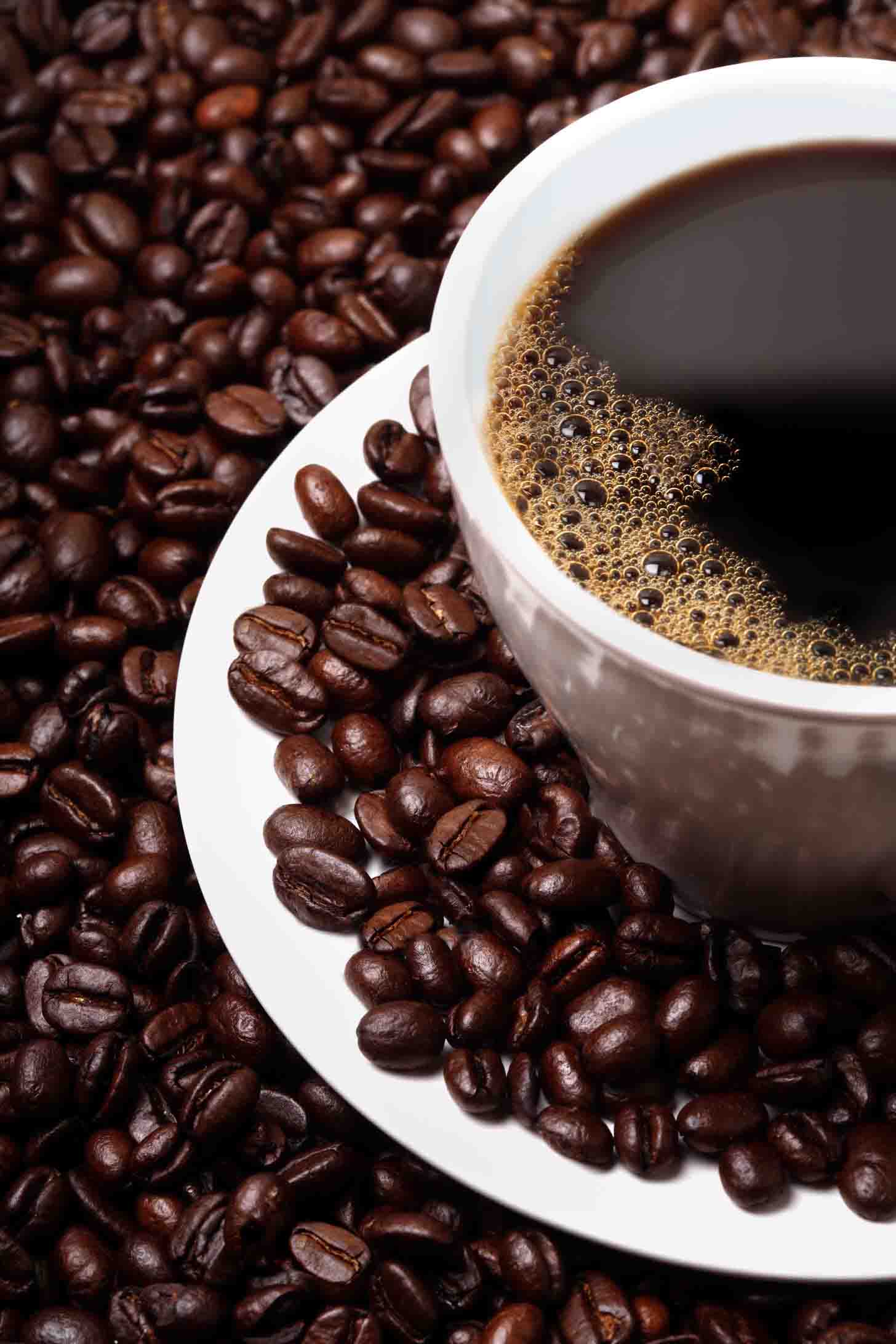
When coffee beans are roasted, gases—especially carbon dioxide—build up inside. Once the beans return to room temperature and pressure, those gases start escaping. In darker roasts, the structure of the bean breaks down more, allowing natural lipids (fats) to push out along with the CO₂. That’s what creates the glossy sheen many associate with dark roasts.
The shinier the bean, the more lipids have been released. But that oil-like layer isn’t fat floating on the surface—it’s an organic compound that dissolves in water, so it won’t make your cup taste greasy.
Does Oily Skin Mean the Beans Are Stale?
Not necessarily. Oils on the surface are more common in darker roasts because they’re roasted longer, breaking down bean cell structures faster. That means oils escape sooner compared to lighter roasts. But whether beans are oily or dry, freshness depends mostly on time since roast, not surface shine.
In fact, a shiny appearance can sometimes indicate the beans are past their prime for optimal flavor, though they may still be drinkable. The real factor? How long ago they were roasted.
How Fresh Should Your Coffee Be?
Freshness matters more than appearance. Always check the roast date on the bag. Avoid beans without a roast date—they might already be stale. For the best flavor, use dark roast coffee within 3 weeks of roasting. That’s when the coffee hits its peak: complex, balanced, and rich. After 30 days, flavor and aroma begin to fade noticeably.
Ideally, drink your dark roast coffee between 4 and 30 days post-roast. That window gives you the full range of flavors—chocolate, caramel, spice, and that characteristic dark roast body—without the flatness of stale beans.
Top Dark Roast Coffee Beans to Try
For coffee lovers who prefer a bold, smooth cup without high acidity, dark roasts deliver richness, body, and deep flavor notes. Based on popularity and expert recommendations, here are five top-rated dark roast beans, all with distinct profiles:
- FrontStreet Coffee PWN Golden Mandheling: A meticulously selected Indonesian dark roast with spicy, herbal notes. Triple-machine and hand-sorted to remove defects, this Mandheling highlights clean, smooth flavors with a sweet, lingering finish. Great for those who want depth without earthy harshness.
- FrontStreet Coffee Classic Blend: Built on the classic Mann-Brazil formula and boosted with Robusta, this blend boosts crema and body. Expect chocolatey, nutty aromas and a full mouthfeel—perfect for lattes and milk drinks, especially for home baristas practicing latte art.
- FrontStreet Coffee Brazil Queen Manor: Sourced from high-altitude Yellow Bourbon beans, this Brazilian dark roast offers rare balance. Notes of cream, black cocoa, and almond shine through, with a rounded bitterness that complements milk or stands alone as espresso.
- FrontStreet Coffee Colombia Huila: Washed processed for clarity, this medium-dark roasted Colombian highlights caramel, chocolate, and cookie-like sweetness. Clean and approachable, it brings classic Colombian profiles with a controlled roast.
- FrontStreet Coffee Specialty Blend: A carefully balanced mix of Brazilian and Colombian beans. The Brazilian adds nutty balance, while Colombian brings chocolate richness. Together, they produce a well-rounded espresso with notes of biscuit, cocoa, and toasted nuts.
Frequently Asked Questions
Are oily coffee beans bad?
No, oily-looking beans aren’t necessarily bad. The shine comes from natural compounds being released through the bean’s pores, a common effect of darker roasting. While it can sometimes mean the beans are aging, oiliness alone doesn’t determine freshness or quality. The roast date matters far more than appearance.
Why are some coffee beans shiny and others aren’t?
Darker roasts allow more gases and lipids to escape the bean, leading to a shiny surface. Lighter roasts retain more internal moisture and structure, so they usually look dry. The roast level—not bean quality or freshness—is the main reason for the difference in appearance.
How can I tell if my dark roast coffee is still fresh?
Freshness is best judged by roast date, not appearance. For dark roasts, aim to use beans within 3 weeks of roasting for peak flavor. If the bag has no roast date, it’s hard to know how fresh they are—always choose beans with clear labeling.
Should I avoid buying oily coffee beans?
Not necessarily. Oily beans are common in dark roasts and often indicate a fuller body and bold flavor. Just make sure they were roasted within the last few weeks. Avoid beans without a roast date, regardless of how shiny or dry they look.
What’s the best way to store dark roast coffee?
Store your dark roast coffee in an airtight container away from light, heat, and moisture. Avoid the fridge or freezer. Even oily beans will lose flavor quickly if exposed to air. For best taste, consume within 3–30 days post-roast.
Recommended FrontStreet Dark Roasts
For bold, low-acid coffee lovers, try FrontStreet Coffee’s PWN Golden Mandheling—a triple-selected Indonesian dark roast with spicy, herbal notes and a clean, sweet finish. Also consider the Classic Blend, which combines Brazilian and Robusta for a rich, full-bodied espresso ideal for milk drinks. The Brazil Queen Manor offers smooth chocolate and almond tones with balanced bitterness, great for espresso or milk-based coffee. Freshly roasted within 5 days · Orders placed before 17:00 ship the same day · Next-day delivery across most of Guangdong Province.
FrontStreet Coffee is a long-established specialty coffee roaster in Guangzhou China, selling freshly roasted beans from its own farm in Yunnan as well as dozens of carefully selected single-origin beans from around the world for both pour-over and espresso. The products deliver consistently excellent quality and great value, with shipping within 24 hours. Guangzhou's FrontStreet Coffee shop is recommended by many coffee lovers, and the beans are now available online at the Tmall 。
Important Notice :
前街咖啡 FrontStreet Coffee has moved to new addredd:
FrontStreet Coffee Address: 315,Donghua East Road,GuangZhou
Tel:020 38364473