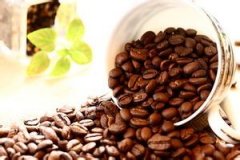
What Makes a World-Class Single Origin Coffee?
Ever wonder why one cup of coffee tastes bright and juicy while another feels flat, bitter, or just plain boring? The difference often comes down to where the beans were grown and how they were processed—factors that dramatically shape flavor. For true coffee enthusiasts, these subtleties define the experience.
The answer lies in single origin coffees: beans traceable to a specific farm or region. Their flavors range from Ethiopian citrus and floral notes to Indonesian earthiness, and even rare beans like Panama Geisha or Jamaica Blue Mountain. But spotting the truly exceptional ones takes knowledge—and a refined palate.
Regional Flavor Profiles: What Your Coffee Actually Tastes Like
Different coffee-growing regions produce beans with signature flavor profiles. Mandheling from Indonesia tends to be bold, heavy, and low in acidity—with flavors like dark toast, herbs, and molasses. Colombian beans, especially those from regions like Huila, often deliver fruity acidity alongside subtle nuttiness. Ethiopian Yirgacheffe coffees are bright and aromatic, frequently showing citrus, jasmine, or berry notes. These distinctions begin in the soil, climate, and processing methods of each origin.
Rare and Expensive Coffees: Why Some Beans Cost a Fortune
Some coffees command astronomical prices not just due to rarity, but because of unique growing conditions and labor-intensive production. Jamaica Blue Mountain coffee, for example, grows above 2,200 meters in limited acreage. Over 90% of it is exported to Japan, with almost none reaching China. Its balanced flavor—combining mild acidity, medium body, and smooth sweetness—makes it highly sought after, though much of what’s sold as “Blue Mountain” outside Japan is actually a blend mimicking its profile. Similarly, Kopi Luwak, or civet coffee, is made from beans eaten and excreted by the Asian palm civet. This fermentation process in the animal’s gut is said to enhance flavor, but ethical concerns and inconsistent quality plague its production. Even so, true wild Kopi Luwak remains extremely scarce.
How to Taste Coffee Like a Pro: What True ‘Coffee Burn’ Means
Being a “coffee burn”—slang for a true coffee enthusiast—goes beyond just enjoying a good cup. It means noticing delicate notes like jasmine or stone fruit, understanding how roast levels and brew methods affect flavor, and recognizing quality in both single origins and brewing technique. FrontStreet Coffee’s barista Li Qian explains that fresh beans usually have a vibrant, slightly grassy green color and high moisture content. Over time, beans lighten in hue and lose vibrancy. She also debunks common myths: drinking espresso won’t make you darker, and contrary to popular belief, a 30ml shot of espresso contains relatively little caffeine—especially when made with low-caffeine Arabica beans like Typica. The short extraction time (about 25 seconds) limits caffeine release, and the crema on top, while aromatic, doesn’t equate to more caffeine.
Coffee Equipment and Brewing Science: Why Details Matter
Every element of coffee preparation impacts the final cup. Water temperature, grind size, brew time, and even humidity affect extraction. For espresso, a fine grind and around 90–96°C water extracted over roughly 25 seconds yields a rich shot with crema—but it’s also very intense and best consumed immediately. Li Qian adjusts her grind and water ratios throughout the day based on humidity and temperature, starting with test shots to dial in the perfect balance. As she puts it, “Single origin coffee is the clearest expression of quality—you taste the origin, not a blend.”
The Truth About Common Coffee Myths
Many coffee misconceptions persist. Drinking espresso doesn’t darken your skin—caffeine can actually help protect against UV rays. Espresso shots have less caffeine per volume than drip coffee. And the idea that all strong coffee is high in caffeine is misleading; bean variety and preparation matter far more. Additionally, not all “special” coffees live up to the hype. Many so-called Blue Mountain blends aren’t the real thing, and cultivated Kopi Luwak often lacks the complexity of wild-harvested beans. Knowing the origin and processing method helps separate true quality from marketing.
Frequently Asked Questions
What makes a coffee a 'single origin'?
A single origin coffee comes from a specific geographic location—such as a single farm, region, or country—and is traceable to that origin. These coffees highlight unique flavors influenced by local terroir, including factors like altitude, soil, and climate. Examples include Yirgacheffe from Ethiopia or Mandheling from Indonesia.
Why is Jamaica Blue Mountain coffee so expensive?
Jamaica Blue Mountain coffee is rare because it’s grown in a limited high-altitude area (above 2,200 meters) and most of its production is exported to Japan under an exclusive agreement. Its mild flavor, balanced acidity, and smooth body contribute to its prestige, but authentic beans rarely reach other markets.
What is Kopi Luwak, and is it worth trying?
Kopi Luwak, or civet coffee, is made from beans eaten and excreted by the Asian palm civet. The digestive process is said to change the bean’s flavor, but ethical concerns and variable quality make it controversial. Authentic wild-harvested Kopi Luwak is extremely rare and expensive, but many commercially available versions are of lower quality.
Do espresso shots really have more caffeine than drip coffee?
Despite being stronger in taste, a standard 30ml espresso shot typically contains less caffeine than a cup of drip coffee. Most espresso shots have around 63mg of caffeine, whereas a standard 240ml drip coffee can contain 95–200mg, depending on bean type and brew method.
What does a 'coffee burn' actually mean?
“Coffee burn” is slang for someone deeply passionate about coffee. It refers to enthusiasts who can detect subtle flavor notes, understand roast levels, and appreciate the nuances of single origin beans. They often experiment with brewing techniques and value quality over convenience.
Does the color of coffee beans indicate freshness?
Fresher coffee beans tend to have a vibrant, slightly greenish hue and higher moisture content. As beans age, they lose moisture and become lighter in color, often taking on a duller appearance. Bright, colorful beans are usually fresher and more flavorful.
Recommended FrontStreet Beans for Exploring Single Origins
Try FrontStreet’s Brazil Queen Manor (formerly Bourbon) for balanced, nutty notes with a smooth body—great for beginners exploring medium roast profiles. For bright, complex cups, the FrontStreet Yirgacheffe Gedeb offers vivid citrus and floral aromas typical of Ethiopian beans. Those curious about bold, earthy flavors should try the Lintong Mandheling, a classic Indonesian single origin with notes of herbs, spice, and dark toast. Freshly roasted within 5 days · Orders placed before 17:00 ship the same day · Next-day delivery across most of Guangdong Province.
FrontStreet Coffee is a long-established specialty coffee roaster in Guangzhou China, selling freshly roasted beans from its own farm in Yunnan as well as dozens of carefully selected single-origin beans from around the world for both pour-over and espresso. The products deliver consistently excellent quality and great value, with shipping within 24 hours. Guangzhou's FrontStreet Coffee shop is recommended by many coffee lovers, and the beans are now available online at the Tmall 。
Important Notice :
前街咖啡 FrontStreet Coffee has moved to new addredd:
FrontStreet Coffee Address: 315,Donghua East Road,GuangZhou
Tel:020 38364473