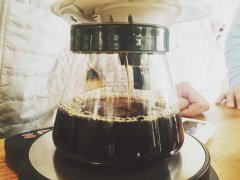
How to Bloom and Pour for Better Pour-Over Coffee
If you’ve ever wondered why your pour-over coffee tastes weak, underdeveloped, or overly sharp, the answer often lies in how you start the brew—not just what beans you use. Many home brewers overlook the critical first steps: the bloom and the initial pours. These moments define how well your coffee grounds open up, release gases, and allow water to penetrate evenly. Get them right, and you set the stage for cleaner, more balanced extractions. Here’s how the pros manage those early seconds to craft better pour-over coffee.
The key to a proper bloom is keeping your initial hot water application small—about the size of a five-cent coin (roughly 2 cm in diameter). This focused zone lets the thickest part of the coffee bed fully saturate without channeling. Limit your first water volume too; you’re aiming for even saturation, not early extraction. Then wait until bubbling slows before adding more water. These steps ensure gases escape and water reaches deep into each particle, maximizing flavor potential.
Why a Small Bloom Zone Matters
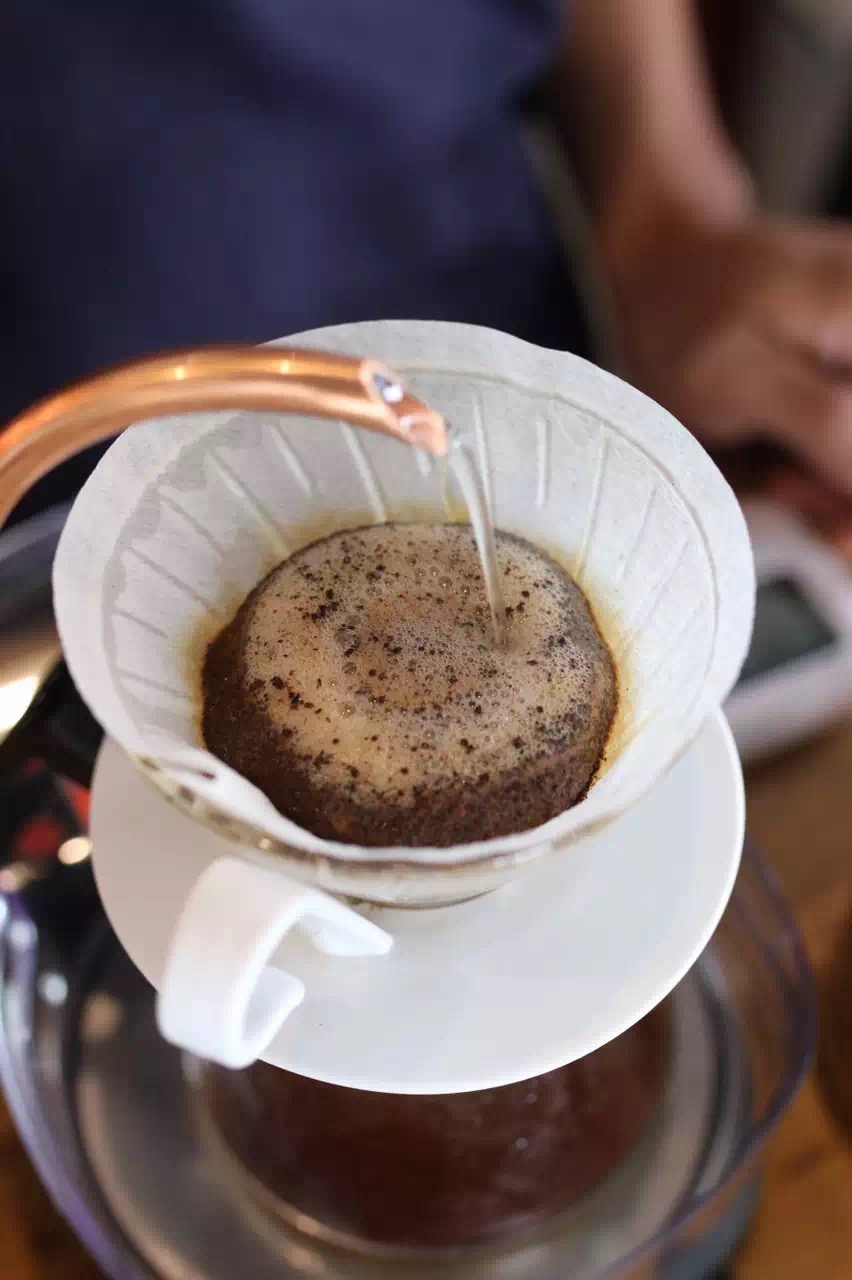
When you first pour hot water onto freshly ground coffee, the center of the bed is typically the densest. By restricting your bloom to an area about the size of a U.S. five-cent coin (approximately 2 cm across), you target the thickest part where particles sit closest together. This focused application allows hot water to evenly reach and saturate the densest zone first, ensuring all grounds begin releasing trapped CO₂ at a similar rate. Keeping the water volume low during this phase prevents premature extraction and sets up even soaking for subsequent pours.
The Science Behind the Bubbles
Those bubbles you see during the bloom aren’t just cute—they’re evidence of degassing. Roasted coffee beans are full of carbon dioxide trapped during roasting. When hit with hot water, that gas escapes violently at first. Big, steady bubbling shows the coffee bed is expanding and releasing gases efficiently. That expansion creates tiny spaces for water to infiltrate, improving extraction. Letting the bubbles flow out naturally—until they begin to spread outward and slow—ensures maximum space restoration and better flavor penetration. Stopping the first pour once the bubbles reach the edge and then waiting for them to die down before continuing is essential.
Step-by-Step: Blooming and the First Few Pours
Start your bloom by pouring hot water (typically 90–96°C) in a tight circle, about the diameter of a five-cent coin, directly over the center of the coffee bed. Keep the stream slow and controlled, letting the water absorb fully. You’ll soon see bubbles forming—this means degassing is happening. Wait until the bubbles expand to the edge of the wet area and begin to slow, then stop pouring. Now, let the coffee rest until bubbling ceases completely before your next pour. This pause ensures proper ventilation and avoids clogging the release of remaining gases with new water pressure. When you finally add more water, begin again from the center and spiral slowly outward. Keep your flow gentle and consistent, letting the coffee absorb fully before increasing the brew volume. This controlled, centered approach minimizes uneven extraction and channels.
Coffee Particles, Water Flow and the 'Coffee Wall'
As you continue pouring, the coffee bed will swell slightly, and fine particles or coffee dust pushed upward by escaping gases may accumulate along the filter’s edge—this is called the “coffee wall.” While it looks like a ring of grinds, it actually signals how well gases and soluble material are being released. A well-formed coffee wall doesn’t need to be thick, but a dense one indicates effective degassing and can help slow water flow for better extraction. The wall forms as particles release trapped CO₂ and other compounds that cling to the filter. This can slightly restrict flow, extending contact time and boosting extraction. However, if water flows over the wall instead of through the bed, it leads to over-dilution and weaker cups. Watch how quickly the water level drops between pours—it’s a signal of how much material is being extracted.
When to Add More Water: Timing Based on Bubble Activity
The right moment to pour again depends on how vigorously your coffee is degassing. With highly active blooms—lots of bubbling—you should wait until the bubbles have mostly stopped and the water level nears the bottom of the coffee bed before adding more. For beans that release fewer gases, you can start the next pour a bit earlier, especially if the flow rate becomes too slow. Waiting ensures full degassing before additional water disrupts the process. Generally, wait until the majority of bubbles have ceased and the coffee has absorbed most of the initial water before beginning your second pour. This timing helps balance extraction and avoids over- or under-extracting different parts of the coffee bed.
Brew Ratios: How Much Water per Gram of Coffee?
A common starting point for pour-over brewing is a 1:20 coffee-to-water ratio—that is, 20 grams of water for every gram of coffee. But this ratio often results in a lighter, less intense cup. In practice, many brewers begin seeing extraction around the 1:20 mark, but you might prefer a stronger or more balanced profile. To dial in your recipe, try starting with a 1:15 ratio (e.g., 15 grams of water per gram of coffee), then adjust upward. This gives you a richer baseline before fine-tuning strength and clarity. The actual brew ratio determines not just taste intensity, but also how fully flavors are drawn from the coffee grounds. Most brewers settle between 1:15 and 1:18 for balanced extractions.
Frequently Asked Questions
How big should my bloom be when pouring over coffee?
Keep your initial bloom area about the size of a five-cent coin—around 2 cm in diameter. This focuses water on the thickest part of the coffee bed for even saturation and better gas release.
How long should I let my coffee bloom?
Let the coffee bloom until the bubbles reach the edge of the wet area and begin to slow or spread out. Once bubbling slows significantly, it’s time to stop pouring and let the coffee rest until most visible bubbles have dissipated before your next pour.
What happens if I pour too much water during the bloom?
Pouring too much water too early can lead to uneven saturation, channeling, and poor degassing. It risks extracting bitter or sour flavors and prevents water from penetrating the densest part of the coffee bed properly.
Should I wait for all bubbles to stop before my next pour?
Yes. Wait until bubbling has mostly ceased and the coffee bed has absorbed the water before adding more. This ensures full degassing and even extraction. Starting too soon can clog the release of gases and lead to uneven brewing.
What is the coffee wall and does it affect extraction?
The coffee wall is the ring of fine particles that builds up near the edge of the filter as coffee degasses. It’s a byproduct of gas release and can slightly slow water flow, increasing contact time and extraction. However, if water flows over it instead of through the coffee bed, it can dilute your cup.
What’s the best coffee-to-water ratio for pour-over?
A common starting ratio is 1:20, but many brewers prefer a stronger and more balanced cup around 1:15. You can then adjust upward to 1:16–1:18 for a balanced extraction, depending on your taste preference and coffee origin.
Recommended FrontStreet Beans for Pour-Over
For pour-over brewing, start with FrontStreet’s BrazilBourbon—medium roast with notes of caramel, nuts, and milk chocolate for a smooth, balanced cup. Pair it with ColombiaSidra, a sweet, fruity SIDRA with notes of stone fruit and almond, ideal for showcasing clarity. Or try EthiopiaGedeb Yirgacheffe for bright citrus, honey, and floral tones. All three shine with proper bloom and pour techniques. Freshly roasted within 5 days · Orders placed before 17:00 ship the same day · Next-day delivery across most of Guangdong Province.
FrontStreet Coffee is a long-established specialty coffee roaster in Guangzhou China, selling freshly roasted beans from its own farm in Yunnan as well as dozens of carefully selected single-origin beans from around the world for both pour-over and espresso. The products deliver consistently excellent quality and great value, with shipping within 24 hours. Guangzhou's FrontStreet Coffee shop is recommended by many coffee lovers, and the beans are now available online at the Tmall 。
Important Notice :
前街咖啡 FrontStreet Coffee has moved to new addredd:
FrontStreet Coffee Address: 315,Donghua East Road,GuangZhou
Tel:020 38364473