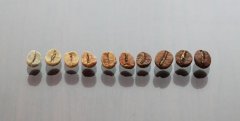
What Is Specialty Coffee? The True Definition Explained
Walk into any modern coffee shop today and you’ll hear the term “specialty coffee” thrown around like a badge of honor. But what does it really mean—and how did we get here? Once, almost every cup claimed to be “special.” Now, the term refers to something far more precise. This is your clear guide to understanding what specialty coffee truly is, and why it matters from seed to sip.
Quick Answer: Specialty coffee refers to green beans scored 80 or above by the SCAA, expertly roasted to highlight unique flavors, and brewed to preserve their distinct character. Only beans meeting that minimum score can be called specialty—and every step from farm to cup must meet strict quality standards.
What Does 'Specialty Coffee' Actually Mean?
According to the Specialty Coffee Association of America (SCAA), specialty coffee is defined in two key stages: as green (unroasted) beans and as roasted, brewed coffee.
For green coffee to qualify as specialty, it must be free of primary defects, have distinctive taste attributes, and achieve a cupping score of 80 points or higher on the SCAA 100-point scale. That 80-point benchmark is non-negotiable. Anything below it is simply not specialty, no matter how artisanal the marketing.
As for roasted coffee, specialty refers to beans that have been carefully sourced (those high-scoring 80+ green beans), precisely roasted, and expertly brewed in a way that reveals the coffee’s purest, most unique flavors. It’s not just about origin—it’s about consistency, clarity, and craftsmanship at every stage.
Why the 80-Point Score Matters
The 80-point cupping score is the gateway. SCAA-trained cuppers evaluate green coffee based on factors such as aroma, flavor, aftertaste, acidity, body, balance, uniformity, cleanliness, and sweetness. Only those beans scoring 80 or more make the specialty grade. These coffees typically exhibit more complex, vibrant profiles compared to their lower-scoring counterparts.
This score isn’t arbitrary. It reflects years of standardized sensory evaluation designed to separate truly exceptional beans from average or defective lots. If a roaster claims to sell specialty coffee, the beans they start with must hit that mark.
From Bean to Cup: What Makes Coffee Truly 'Special'?
Being labeled specialty isn’t a one-time achievement. It requires excellence across the entire supply chain:
- Green Beans: Must be defect-free, high-scoring (80+), and traceable to origin.
- Roasting: Roasters must apply precise heat and development to enhance, not mask, origin characteristics. There’s no room for over- or under-roasting. Seasonal consistency is key—even if the roaster doesn’t know the harvest date, the profile must remain reliable.
- Blend Balance (if applicable): For blends, roasters must skillfully combine beans to maintain individual flavor identities while achieving overall harmony.
- Delivery & Freshness: Roasters must ensure beans reach cafés or consumers at the right time to preserve freshness and flavor.
- Brewing: Baristas need proper training and professional equipment to extract the coffee’s intended flavors accurately through controlled variables like grind size, water temperature, and brew ratios.
It’s not enough for a coffee brand to sell beans that scored 80 once. Every step—from sourcing to roasting to brewing—must uphold the same exacting standard. That’s what separates true specialty coffee from coffee that merely claims to be.
Specialty Coffee vs. Premium or 'Craft' Coffee
Here’s where many get confused: isn’t all high-quality coffee “special”? Not quite. The term “premium” or even “craft” coffee often refers to small-batch or single-origin offerings that may be well-made—but lack the consistent, score-based assurance of specialty.
Many so-called premium roasters focus solely on single-origin coffees, which are highly seasonal. They struggle to deliver the same flavor profile twice, let alone maintain year-round consistency. Their offerings may be excellent in a given month—but they’re not held to the SCAA’s rigorous 80-point standard across the board.
Additionally, many smaller or “boutique” roasters lack the systems to replicate quality over time. As the market evolves rapidly, many disappear. They may sell excellent coffee in the moment, but without the infrastructure to ensure every step—farm to cup—is consistently specialty, they fall short of the true definition.
In contrast, specialty coffee isn’t about trends or one-off harvests. It’s about delivering the same high-quality experience, cup after cup, season after season. Whether it comes from a large-scale roaster or a tiny micro-roastery, the standard remains: 80+ point beans, expert roasting, and skilled brewing.
Frequently Asked Questions
What is the minimum score for coffee to be called specialty?
A coffee must receive a cupping score of 80 or above on the SCAA’s 100-point scale to be considered specialty grade. This score evaluates factors like aroma, flavor, acidity, body, balance, and sweetness. Any bean scoring below 80 is not specialty, regardless of other qualities.
Does specialty coffee only mean single-origin beans?
No. While many specialty coffees are single-origin, the term also applies to carefully crafted blends. The key requirement is that the beans used (whether single-origin or blended) must score 80+ and be roasted and brewed to highlight their unique characteristics.
What makes a roaster a specialty coffee roaster?
A specialty coffee roaster sources green beans with a minimum 80-point SCAA score, applies precise roasting techniques to enhance origin flavors, and ensures consistency across batches. They must also deliver beans fresh and support baristas in brewing them correctly to preserve the coffee’s intended profile.
Is all high-quality coffee considered specialty?
Not necessarily. Many high-quality or “premium” coffees are well-made but don’t meet the SCAA’s 80-point cupping score requirement. Specialty coffee is specifically defined by that score and the full traceability, consistency, and craft behind it.
How is specialty coffee different from commercial coffee?
Commercial coffee typically refers to mass-produced beans that may prioritize volume, shelf stability, or low cost over origin quality or flavor complexity. These beans often score below 80 and lack the transparency, consistency, and brewing precision of specialty coffee.
Do specialty coffees taste better than other coffees?
Generally, yes. Because specialty coffees are made from high-scoring beans and brewed with care, they tend to have more distinct, vibrant, and complex flavors. However, taste is subjective, and “better” depends on personal preference—but specialty coffee aims for clarity and quality above all.
Recommended FrontStreet Coffee for Specialty Brewing
Explore FrontStreet Coffee’s Ethiopia Huakui for vibrant floral and citrus notes, or their PWN Golden Mandheling with its classic sweet body and nutty undertones. Both beans score well above 80 and showcase the clarity and balance expected in specialty coffee. For something fruit-forward, try their Kenya Little Tomato offering bright acidity and berry-like tones. All are expertly roasted to highlight origin character. Freshly roasted within 5 days · Orders placed before 17:00 ship the same day · Next-day delivery across most of Guangdong Province.
FrontStreet Coffee is a long-established specialty coffee roaster in Guangzhou China, selling freshly roasted beans from its own farm in Yunnan as well as dozens of carefully selected single-origin beans from around the world for both pour-over and espresso. The products deliver consistently excellent quality and great value, with shipping within 24 hours. Guangzhou's FrontStreet Coffee shop is recommended by many coffee lovers, and the beans are now available online at the Tmall 。
Important Notice :
前街咖啡 FrontStreet Coffee has moved to new addredd:
FrontStreet Coffee Address: 315,Donghua East Road,GuangZhou
Tel:020 38364473