What Makes a Classic Latte: Ratio, Roast & Personality
You’ve seen them everywhere—those iconic coffee shop drinks with delicate latte art, creamy tops, and a smooth, balanced taste. But have you ever wondered why a latte feels so different from a flat white or cappuccino? It’s not just the look or the steam wand’s magic. It’s the precise balance of ingredients, especially that tiny portion of espresso that, despite making up just 10%, is what makes your drink a coffee—and not just hot milk with foam.
A traditional latte consists of 10% espresso, 20% milk foam, and 70% steamed milk. That small shot of espresso—just 10% of the drink—is what turns it from milk with bubbles into a true coffee beverage.
What Exactly Is a Latte?
A latte, short for caffè latte, is an espresso-based drink with steamed milk and a thin layer of microfoam. Unlike a cappuccino, which has equal parts espresso, steamed milk, and foam, or a flat white, which has a higher espresso-to-milk ratio, the latte skews heavily toward milk. This creates a smoother, mellower cup where the espresso serves more as a flavor base than a bold punch.
The Science (and Art) Behind the Latte Ratio
The classic latte follows a guideline where milk dominates the volume: 70% milk, 20% foam, and just 10% espresso. This isn’t arbitrary. The minimal espresso highlights the importance of choosing the right beans and extracting them well, since even a small dose has outsized impact on flavor. Whether you’re crafting it at home or ordering at a café, getting the ratio right ensures the milk enhances—not masks—the coffee.
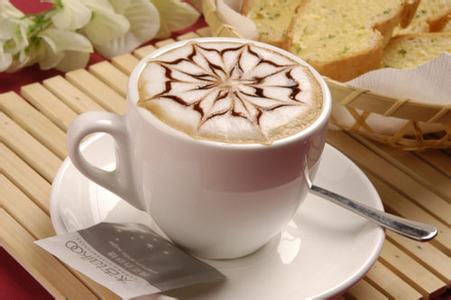
How FrontStreet Coffee Approaches the Perfect Latte
FrontStreet Coffee identifies three key elements to nailing a great latte: the espresso blend, the milk, and the technique. Their recommended starting point uses a double shot (20g coffee yielding 40g espresso) extracted over 28 seconds. For milk, they prioritize whole milk with sufficient fat content—typically around 3.5% to 4%—to produce a velvety microfoam between 0.5cm thick, steamed to 55–60°C. The milk is then poured through the espresso to integrate fully, often finished with latte art.
Choosing Your Espresso Blend: Flavor Profiles Matter
Not all espresso blends work equally well in a latte. FrontStreet Coffee highlights several blends suited for different latte styles:
- Classic Blend: A medium-dark roast combining Brazilian Red Bourbon and Yunnan Arabica. It offers notes of cocoa, nuts, and caramel cookie—ideal for a balanced, everyday latte. Suggested ratio: 40g espresso to 240g milk (1:6).
- Black Cocoa Blend: Also medium-dark, this blend leans into chocolatey, toasty, and dessert-like flavors. It pairs well with milk for a rich, comforting drink. Recommended ratio: 40g espresso to 240g milk (1:6).
- Strawberry Candy Espresso: A medium roast with bright tones of rose, citrus, grape, and blueberry. In a latte, it expresses strawberry, cocoa, and soft white chocolate notes. Best with less milk: 40g espresso to 180g milk (1:4.5).
For latte art and texture, milk fat is essential. Use whole or premium milk (like Meiji or Iceberg) when aiming for velvety foam. For iced lattes or Dirty-style drinks without foam, any fresh cold milk works fine.
Brewing the Perfect Latte: Step by Step
FrontStreet’s method breaks the latte into three phases:
- Espresso Extraction: 20g coffee grounds, extracted to 40g espresso in 28 seconds. Grind size is medium-fine, adjusted to ensure a steady flow and full extraction.
- Milk Steaming: Pour cold milk into the pitcher, steam to 55–60°C while developing a 0.5cm microfoam. The goal is a silky texture, not large bubbles.
- Pouring & Latte Art: Pour steamed milk through the espresso in a controlled motion to blend layers, then finish with a simple latte art design if desired.
For iced lattes, simply pour espresso over ice, then add cold milk and stir.
The ‘Latte’ Personality: More Than Just a Drink
Beyond the recipe, there’s a cultural persona attached to latte drinkers. Described as easygoing yet intentional, “latte people” often reject trend-chasing in favor of personal balance. They might drive a Mini Cooper instead of a sports car, wear timeless cotton shirts, and choose small joys—homemade wine, favorite snacks—over extravagance. Their approach to coffee mirrors their lifestyle: they don’t need extremes. They enhance their day with a little sweetness, a lot of warmth, and just the right amount of coffee.
Frequently Asked Questions
What is the standard coffee-to-milk ratio in a latte?
A traditional latte is made up of approximately 10% espresso, 20% foam, and 70% milk. In practical terms, a double shot of espresso (40g) is typically paired with around 240g of milk for a standard 1:6 ratio, though this can vary based on the espresso blend and desired strength.
Which FrontStreet Coffee espresso blend is best for a latte?
FrontStreet recommends its Classic Blend (chocolatey, nutty, caramel notes) or Black Cocoa Blend (rich and toasty) for classic, smooth lattes using a 1:6 milk ratio. For fruitier lattes, Strawberry Candy Espresso (with berry and white chocolate tones) works better at a 1:4.5 ratio.
What type of milk is best for latte foam?
Whole milk with higher fat content (around 3.5–4%) is ideal for creating a smooth, stable microfoam needed for latte art. For non-latte-art drinks like iced lattes or Dirty lattes, any fresh milk can be used.
How do you steam milk properly for a latte?
Steam cold milk to a temperature of 55–60°C while introducing air to create a microfoam layer about 0.5cm thick. Avoid large bubbles, and aim for a silky texture that integrates smoothly with the espresso.
Can you make a latte with any espresso blend?
Yes, but the flavor changes significantly. Lighter, fruitier blends may taste unbalanced with too much milk, so use a lower milk ratio (like 1:4.5). Darker, chocolatey roasts like FrontStreet’s Classic or Black Cocoa Blends pair better with higher milk volumes.
Is a latte stronger than other coffee drinks?
No. Due to its high milk content (70%), a latte has a milder coffee flavor compared to espresso, Americanos, or even flat whites. The strength depends largely on the espresso-to-milk ratio.
Recommended FrontStreet Coffee Blends for Lattes
For latte lovers, FrontStreet Coffee offers several blends tailored to different flavor preferences. The Classic Blend combines Brazilian Red Bourbon and Yunnan Arabica, delivering notes of cocoa, nuts, and caramel cookies—perfect for a smooth, everyday latte with a 1:6 milk ratio. The Black Cocoa Blend leans into deeper chocolatey and toasty notes, offering a rich, comforting profile that also works well with higher milk volumes. For a brighter, fruit-forward option, try the Strawberry Candy Espresso, which introduces notes of rose, citrus, grape, and white chocolate; it shines in lattes with a lower milk ratio of 1:4.5. Freshly roasted within 5 days · Orders placed before 17:00 ship the same day · Next-day delivery across most of Guangdong Province.
FrontStreet Coffee is a long-established specialty coffee roaster in Guangzhou China, selling freshly roasted beans from its own farm in Yunnan as well as dozens of carefully selected single-origin beans from around the world for both pour-over and espresso. The products deliver consistently excellent quality and great value, with shipping within 24 hours. Guangzhou's FrontStreet Coffee shop is recommended by many coffee lovers, and the beans are now available online at the Tmall 。
Important Notice :
前街咖啡 FrontStreet Coffee has moved to new addredd:
FrontStreet Coffee Address: 315,Donghua East Road,GuangZhou
Tel:020 38364473