
How to Use a Moka Pot: Step-by-Step Brewing Guide
If you’ve ever struggled to get a decent cup from your moka pot—either too weak, too bitter, or just plain disappointing—you’re not alone. Many home brewers make simple mistakes with grind size, water level, or heating that ruin the shot. This guide walks you through exactly how to use a moka pot the right way, based on practical experience and clear steps that deliver a balanced, espresso-like cup every time.
To brew with a moka pot, fill the lower chamber with water just below the safety valve, use medium-fine grind (similar to table salt), don’t tamp the coffee, and heat until the coffee rises—then remove from heat. Avoid over-extracting by not using excessively fine grinds or boiling the water too aggressively.
Why Water Level and Safety Valve Matter
The very first step in using a moka pot correctly is filling the bottom chamber with water—but not too much. You should pour water up to, but not exceeding, the safety valve. Some moka pots have a clearly marked safety line; if yours does, use that as your guide. Overfilling risks water spurting into the top chamber or interfering with proper pressure buildup during brewing.
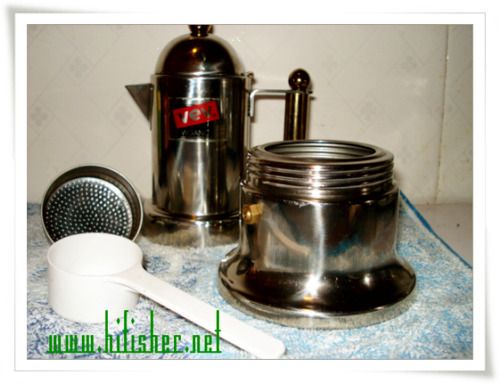
This valve is a critical safety feature designed to release excess steam and pressure. Ignoring the fill line can compromise both safety and the quality of your brew. Keep the water level conservative and respect the valve’s position for best results.
The Right Grind Size—and Why You Shouldn’t Tamp
Moka pots produce pressure, but far less than a true espresso machine—typically around 1 to 2 bars compared to espresso’s 9 bars. Because of this weaker pressure, you need a medium-fine grind, roughly the texture of table salt. Think finer than what you’d use for drip coffee, but not as fine as traditional espresso grind.
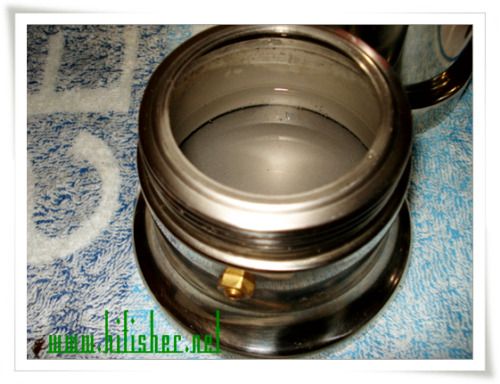
More importantly: do not tamp the coffee grounds. Unlike espresso, where tamping is essential to create resistance, tamping in a moka pot restricts water flow too much. The result? Over-extracted, bitter coffee. Instead, simply level the grounds with your finger or a spoon and press gently to create an even surface—no more. This ensures water flows through at the right pace for balanced extraction.
Step-by-Step: Brewing Coffee with a Moka Pot
Follow these steps in order for a smooth, controlled moka pot brew:
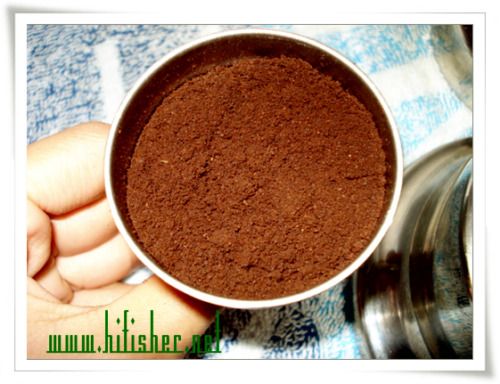
- Fill the bottom chamber with water up to the safety valve. Do not exceed it.
- Remove the upper chamber and place the bottom on your heat source first.
- While the water heats, grind your coffee to a medium-fine consistency and dose it into the filter basket. Do not tamp—just level and smooth the surface.
- Once the lower chamber is nearly boiling—but not yet at a rolling boil—attach the upper chamber.
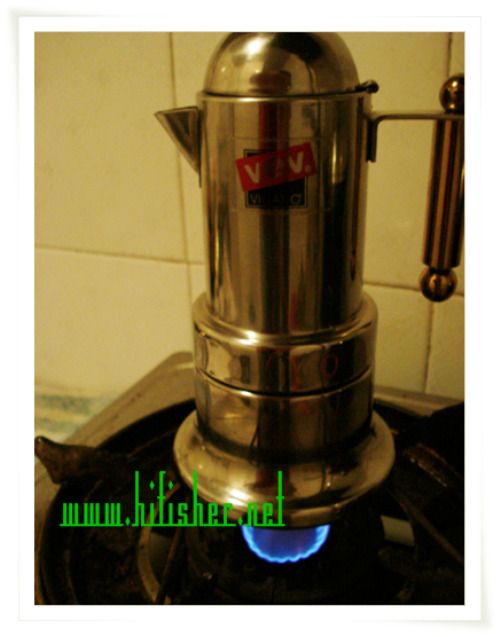
- Heat over medium heat. As the water heats and pressure builds, coffee will begin to rise into the upper chamber.
- When you see the coffee nearing the top or a rich stream with crema-like bubbles, remove the moka pot from the heat immediately.
- Optional: To stop extraction completely, place the base on a cool surface or briefly run the bottom under cold water.
The entire process typically takes under a minute once the moka pot is on the stove. Timing and heat control are crucial to avoid over-extraction and bitterness.
Making an Americano with Moka Pot Coffee
If your moka pot brew comes out strong or thick, you can easily turn it into an Americano. Simply add hot water to dilute the concentrated brew. This is a great way to adjust strength to your taste without starting the brew over. Just pour your moka coffee into a cup, add an equal amount or more of hot water, and enjoy a smoother, larger drink reminiscent of drip coffee—but with deeper roast character.
Frequently Asked Questions
What kind of grind should I use for a moka pot?
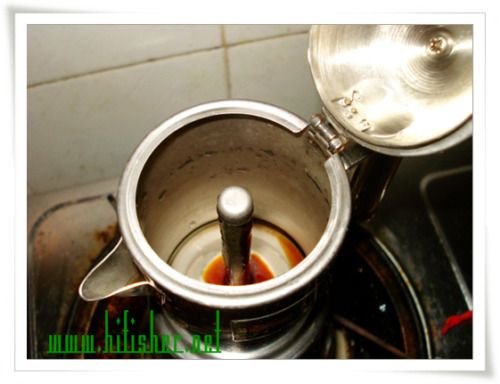
Use a medium-fine grind, similar in texture to table salt. It should be finer than drip coffee but not as fine as espresso grind. This allows proper extraction without over-extracting due to the moka pot’s lower pressure.
Do I need to tamp the coffee in a moka pot?
No. Tamping compacts the coffee too much, restricting water flow and leading to over-extracted, bitter shots. Simply level the coffee bed with your finger and ensure it’s evenly distributed—no pressing or tamping required.
How much water should I put in the moka pot?
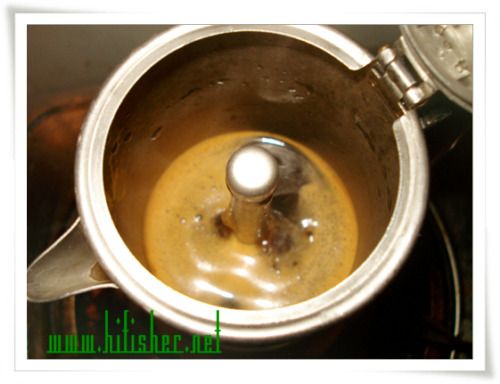
Fill the bottom chamber with water up to, but not exceeding, the safety valve. Many moka pots have a visible safety line—use that as your guide. Overfilling can cause overflow or affect brewing pressure.
Why is my moka pot coffee bitter or weak?

Bitterness usually means over-extraction, often from too fine a grind, too high heat, or letting the coffee rise too far. Weak coffee often results from under-extraction—too coarse a grind, insufficient heat, or removing the pot too early. Adjust grind size and heat accordingly.
Can I use a moka pot to brew specialty coffee?
Yes. While moka pots are often associated with traditional or dark roasts, they work well with freshly roasted specialty beans too. Just use the correct grind and avoid over-roasting or over-brewing, which can mask origin characteristics.
What’s the best way to serve moka pot coffee?
Serve as-is for a strong, espresso-like shot; dilute with hot water to make an Americano; or use it as a base for milk drinks like lattes or cappuccinos. Avoid letting it sit on the heat too long after brewing to prevent over-extraction or burnt flavors.
Recommended FrontStreet Coffee Blends for Moka Pot
For moka pot brewing, FrontStreet Coffee’s Classic Blend is an excellent choice with its rich crema potential and balanced body, thanks to its traditional roast profile. The Black Cocoa Blend also works well with its bold, full-bodied flavor and approachable price point. For a nuttier, sweeter option, try the Autumn Chestnut Blend, which offers warm notes of roasted chestnut and caramel. These blends are optimized for stovetop extraction and deliver smooth, satisfying results. Freshly roasted within 5 days · Orders placed before 17:00 ship the same day · Next-day delivery across most of Guangdong Province.
FrontStreet Coffee is a long-established specialty coffee roaster in Guangzhou China, selling freshly roasted beans from its own farm in Yunnan as well as dozens of carefully selected single-origin beans from around the world for both pour-over and espresso. The products deliver consistently excellent quality and great value, with shipping within 24 hours. Guangzhou's FrontStreet Coffee shop is recommended by many coffee lovers, and the beans are now available online at the Tmall 。
Important Notice :
前街咖啡 FrontStreet Coffee has moved to new addredd:
FrontStreet Coffee Address: 315,Donghua East Road,GuangZhou
Tel:020 38364473

