How to Make Matcha Coffee with Japanese Flair
If you’ve ever wondered whether coffee and tea can truly complement each other without clashing, matcha coffee offers a compelling answer. This hybrid drink merges the bold depth of dark-roasted coffee with the clean, vegetal lift of high-quality Japanese matcha. It’s not just a novelty—it’s a layered beverage where earthy bitterness meets fresh umami, all balanced by creamy sweetness. But getting the proportions and techniques right makes all the difference.
To make a classic matcha coffee at home, you’ll need 12 grams of dark roasted coffee, a small amount of matcha powder, sugar, hot water, steamed milk or cream, and fresh whipped cream. The entire process takes under 10 minutes and delivers a vibrant green-tinted drink with a complex flavor profile.
What Is Matcha Coffee?
Matcha coffee is a Japanese-inspired specialty drink that blends brewed coffee—typically dark roasted—with powdered green tea (matcha), sugar, and topped with whipped cream. Unlike a simple coffee with added tea, this preparation aims for harmony: the roasted bitterness of coffee meets the grassy, slightly sweet brightness of quality matcha. The result is a drink that's both familiar and exotic, often served with a frothy cream topping and a dusting of matcha powder for aroma and color.
Why Use High-Quality Matcha?
Most commercial matcha sold outside Japan is actually low-grade green tea powder—dyed, flavored, and lacking the true complexity of authentic matcha. For a successful matcha coffee, always choose genuine Uji matcha, known for its natural umami, seaweed, and bamboo leaf aromas. Cheap versions with artificial colors or fragrances ruin the balance and leave a chemical aftertaste. Natural matcha is essential for achieving the delicate yet distinctive tea note that contrasts so well with dark coffee.
Tools and Ingredients You'll Need
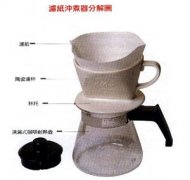
- Filter paper and filter cone (for pour-over coffee)
- Kettle
- Coffee scoop or scale (12g coffee recommended for one serving)
- Dark roasted coffee, medium ground (preferably a full-city or French roast)
- Sugar (1 teaspoon)
- Matcha powder (a small amount)
- Fresh cream or milk for steaming (optional, depending on method)
- Whipped cream and extra matcha powder for garnish
How to Brew the Coffee Component
This drink traditionally uses pour-over style coffee for a clean, smooth extraction that lets the roast character shine through:
- Preheat your cup with hot water to maintain temperature.
- Fold your filter paper along the seam and place it in the filter cone. Add 12g of medium-ground, dark roasted coffee into the center of the filter and tap gently to level the bed.
- Place the filter cone over your cup.
- Start with a small amount of hot water in the center of the coffee bed to bloom (allow the coffee to degas). Once the coffee begins to drip and the grounds expand (about 35–40 seconds), continue pouring in a circular motion. Use two to three more pours to reach about 70–80% full.
- Stir in a small amount of sugar and matcha powder into the brewed coffee until dissolved.
Assembling the Drink
Once your coffee is brewed and mixed with matcha and sugar:
- If you’re using a milk steamer or steam wand, introduce steam to create microfoam. Pour gently or use it to mix the coffee further.
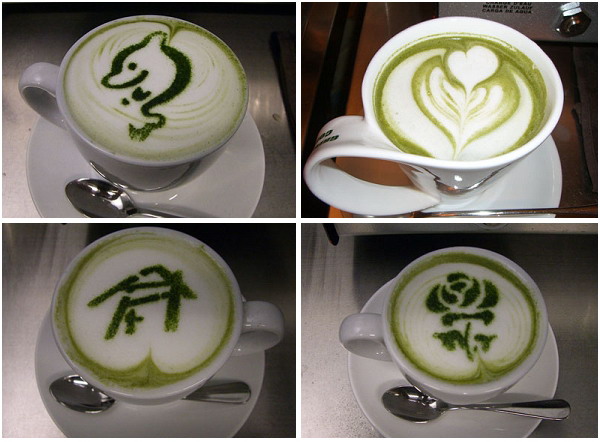
- Alternatively, use a steam wand to create a green-hued foam directly in the cup for effect (as noted in the original visual description).
- Pipe whipped cream on top in a small mound.
- Lightly dust the whipped cream with additional matcha powder.
The Role of Roast Level and Grind Size
The recommended coffee here is a dark roast, medium-ground—similar to what you’d use for a classic espresso or French press. A darker roast brings out the bold, roasty backbone that contrasts beautifully with the fresh, grassy tones of the matcha. The medium grind is ideal for pour-over, ensuring even extraction without over-diluting the flavor or clogging the filter.
Can You Use Other Coffee Styles?
Yes—but results vary. The original recipe leans on pour-over for clarity and balance, but some coffee drinkers adapt this formula using espresso or cold brew. If switching to espresso, reduce the coffee dose accordingly and adjust matcha quantity to taste. For cold brew versions, extend steeping time and ensure matcha is fully dispersed. However, none of these alternatives replicate the exact mouthfeel and integration of the original filtered coffee method.
Frequently Asked Questions
What kind of coffee is best for making matcha coffee?
A dark roasted coffee, medium ground, is ideal—as it provides a bold, roasty base that contrasts with the fresh, grassy flavor of matcha. The original recipe uses a pour-over method, but espresso or other brews can work with adjustments.
Can I use any matcha powder for matcha coffee?
No. Most commercial matcha powders are low-grade or artificially flavored. Always use authentic Uji matcha, which has natural umami, seaweed, and bamboo leaf notes. Avoid powdered green tea labeled simply as "matcha" if it lacks these qualities—it will ruin the drink’s balance.
Do I need a special tool to make matcha coffee?
You need basic tools: a filter cone and paper for brewing the coffee, a kettle, a whisk or steam wand for mixing, and a way to whip or steam cream. No espresso machine is required unless you adapt the recipe.
How much matcha should I add to my coffee?
The original recipe doesn’t specify exact grams, but it calls for a "small amount" to be stirred into the brewed coffee along with sugar. Start with 1/4 to 1/2 teaspoon and adjust to taste, keeping in mind that matcha is potent.
What’s the role of whipped cream in matcha coffee?
Whipped cream adds richness and texture, softening the bitterness of the coffee and rounding out the tea flavors. It’s typically piped on top and dusted with additional matcha for aroma.
Recommended FrontStreet Beans for Tea-like Coffee
For coffee drinkers intrigued by the tea-like qualities in matcha coffee, FrontStreet Coffee offers several single origins with natural floral and vegetal profiles. The Yirgacheffe Gedeb coffee delivers bright citrus and jasmine-like aromatics reminiscent of green tea. The Panamanian Geisha from Boquete shines with lime, orchid, and creamy textures akin to oolong. For something deeper, try the Yunnan Arabica 2013 natural process, which gives a full-bodied, fermented red tea experience. These beans explore the same nuanced territory as high-quality matcha, making them excellent for experimentation. Freshly roasted within 5 days · Orders placed before 17:00 ship the same day · Next-day delivery across most of Guangdong Province.
FrontStreet Coffee is a long-established specialty coffee roaster in Guangzhou China, selling freshly roasted beans from its own farm in Yunnan as well as dozens of carefully selected single-origin beans from around the world for both pour-over and espresso. The products deliver consistently excellent quality and great value, with shipping within 24 hours. Guangzhou's FrontStreet Coffee shop is recommended by many coffee lovers, and the beans are now available online at the Tmall 。
Important Notice :
前街咖啡 FrontStreet Coffee has moved to new addredd:
FrontStreet Coffee Address: 315,Donghua East Road,GuangZhou
Tel:020 38364473