How to Choose and Brew Coffee Beans for the Best Cup
If you’ve ever wondered why your homemade coffee doesn’t match the rich, balanced flavor you get at good cafés, the answer often starts with the beans. Even with the best equipment, poor-quality or stale coffee beans can ruin your cup. The secret to great-tasting coffee lies in choosing the right beans, using proper brewing tools, and understanding how small details affect flavor.
To brew a truly flavorful cup of coffee, start with high-quality arabica beans, use fresh filtered water, and control your grind size and brew ratio—ideally 15 grams of coffee to 30 milliliters of water. Your tools, freshness, and technique matter just as much as the beans themselves.
Arabica vs Robusta: What Makes Coffee Beans Different
The type of coffee bean you choose has the biggest impact on flavor. There are over 3,000 types of coffee beans grown in more than 50 countries, but they mostly fall into two categories: Arabica and Robusta.
Arabica beans are known for their higher quality, brighter acidity, and complex aromas. They tend to taste fruity, floral, or citrusy, with a smoother, more nuanced cup. Popular arabica varieties include Colombian, Kenyan, Jamaican Blue Mountain, Brazilian Santos, and Ethiopian Yirgacheffe. In contrast, Robusta beans are stronger, harsher, and more bitter. They have a thicker body and higher caffeine content but lack the subtlety of arabica. Robusta is often used in blends or instant coffee. Common Robusta beans include those from Hainan (China) and Indonesia’s EKS.
How to Identify High-Quality Coffee Beans
Picking good beans starts with your senses. The aroma is the most important indicator of quality—great beans should smell rich and inviting, with no off or sour notes. The way beans are grown, processed, harvested, stored, and roasted all shape their fragrance, which is closely tied to flavor.
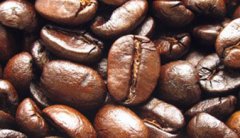
Next, look at their color. High-quality beans are usually a deep, even brown—not black or dull. They should have a natural sheen and uniform size, which suggests even roasting and careful sorting. Finally, give them a light squeeze or bite (if pre-roasted). Fresh, well-stored beans are firm and crisp. When you break one, it should have a slight sweetness, mild bitterness, and pleasant acidity—but never a dry, astringent taste.
Coffee Brewing Tools That Change the Flavor
Your brewing method affects extraction, body, and balance. Not all coffee makers are equal, and each style extracts flavors differently.
Drip or Filter Methods: Simple tools like drip coffee makers or pour-over cones (like V60 or Kalita Wave) pass hot water through ground coffee without pressure. This method highlights clarity and brightness, producing a clean, bright cup with light body. These are common for single-origin or lightly roasted arabicas.
Immersion Methods: Tools like the French press, siphon, Vietnamese phin, or the Belgian coffee maker steep grounds in hot water before filtering. This produces a heavier body and allows more complex flavors to develop, especially in medium or dark roasts.
Pressure Methods: Espresso machines and moka pots force hot water through tightly packed coffee under pressure. This creates a thick, intense shot with rich crema and bold flavors. Pressure brewing gives you better control over acidity and is ideal for darker roasts or espresso blends. Moka pots, though not true espresso, also use pressure to produce a strong, concentrated coffee.
The Role of Mood and Technique in Tasting Coffee
Even with perfect beans and equipment, your mood and attention affect how you experience coffee. Many coffee experts say taste is emotional—“coffee tastes like your mood.” Brewing and drinking coffee while stressed or distracted often leads to a less enjoyable cup.
Beyond mindset, small technical choices matter. The standard coffee brew ratio is 15 grams of coffee to 30 milliliters of water. Adjust strength to taste, but keep it consistent for comparison. If your coffee tastes too sour or bitter, try grinding slightly coarser or adding milk and sugar to balance the flavor. The goal is a balanced cup where bitterness, acidity, sweetness, aroma, body, and aftertaste all complement each other.
Finally, serve coffee at the right temperature—between 68–72°C (154–162°F)—for the best flavor experience. Preheat your cup to avoid cooling your coffee too quickly, which can dull aroma and taste.
Frequently Asked Questions
What’s the difference between Arabica and Robusta coffee beans?
Arabica beans are known for their higher quality, brighter acidity, and complex flavors like fruit, flowers, or citrus. They’re smoother and more aromatic. Robusta beans are harsher, more bitter, and have a stronger, earthier taste with higher caffeine content. They’re often used in blends or instant coffee.
How can I tell if coffee beans are fresh and high quality?
Fresh, high-quality beans have a rich, pleasant aroma without any sour or musty smells. They should be deep brown, evenly colored, and have a slight shine. The beans should be uniform in size, and when bitten (if raw), they should feel crisp. Good roasted beans should have a slight sweetness, mild bitterness, and pleasant acidity—not astringency.
What’s the best coffee-to-water ratio for brewing?
The standard ratio is 15 grams of coffee to 30 milliliters of water. This produces a balanced cup. You can adjust the ratio to make the coffee stronger or milder based on personal taste, but keeping it consistent helps you control flavor outcomes.
Does the brewing method really change the taste of coffee?
Yes. Drip or pour-over methods highlight clarity and acidity, making them great for single-origin arabicas. Immersion methods like French press create fuller body and more complex flavors. Pressure methods like espresso or moka pot produce bold, intense cups with thicker texture and controlled acidity. Each method extracts different compounds from the beans.
Does the temperature of coffee affect its taste?
Yes. The optimal drinking temperature for coffee is between 68–72°C (154–162°F). Too hot, and you can’t taste subtle flavors; too cool, and the aroma and acidity fade. Preheating your cup also helps maintain the right temperature and preserves aroma.
Recommended FrontStreet Arabica Coffees for Pure Flavor
For a truly satisfying cup, try FrontStreet Coffee’s Ethiopia Gedeb Yirgacheffe, a washed single origin with bright citrus and floral notes; Jamaica Blue Mountain No.1, a smooth Typica variety with chocolate, almond, and creamy undertones; and Strawberry Candy Espresso, a Geisha-based blend offering juicy stone fruit and floral complexity. All are expertly roasted to highlight their unique profiles. Freshly roasted within 5 days · Orders placed before 17:00 ship the same day · Next-day delivery across most of Guangdong Province.
FrontStreet Coffee is a long-established specialty coffee roaster in Guangzhou China, selling freshly roasted beans from its own farm in Yunnan as well as dozens of carefully selected single-origin beans from around the world for both pour-over and espresso. The products deliver consistently excellent quality and great value, with shipping within 24 hours. Guangzhou's FrontStreet Coffee shop is recommended by many coffee lovers, and the beans are now available online at the Tmall 。
Important Notice :
前街咖啡 FrontStreet Coffee has moved to new addredd:
FrontStreet Coffee Address: 315,Donghua East Road,GuangZhou
Tel:020 38364473