The Origins of Coffee Latte Art
Ever wonder how latte art—those elegant hearts and rosettas on your morning coffee—actually started? Most coffee lovers see the patterns and assume they’re just decorative, but there’s a real history behind how those designs became a staple of specialty coffee shops worldwide. The story isn’t about machines or marketing, but a moment of accidental inspiration behind the bar.
In 1988, American coffee shop owner David Schomer accidentally created a perfect heart shape on a cup of coffee while adding milk, leading him to study and refine milk steaming and pouring techniques—kickstarting the modern latte art movement.
How Latte Art Was Discovered
The birth of latte art wasn’t planned. According to accounts, David Schomer was simply packing a breakfast coffee for a customer when he poured steamed milk into the espresso. By chance, the milk formed a strikingly clear heart shape on the surface. That moment stuck with him. What began as a happy accident turned into a focused effort to understand how milk texture, pouring speed, and espresso crema interact to create intentional designs.
Why Milk and Espresso Create Patterns
Latte art relies on two key elements: the microfoam created by properly steamed milk and the crema formed during espresso extraction. Microfoam is smooth, velvety steam-infused milk with tiny, uniform bubbles—essential for fluid, controlled pouring. Meanwhile, a well-extracted espresso produces a rich, reddish-brown crema that serves as the ‘canvas’ atop which the milk designs are formed. The contrast between the white foam and the dark crema allows for clear, visible patterns like hearts, tulips, and rosettas.
What Really Determines Good Latte Art
Great latte art doesn’t come from artistic talent alone. It depends heavily on precise milk temperature (around 60–65°C), ideal milk texture (silky microfoam with no large bubbles), and consistent espresso extraction (good crema, balanced body). The pour itself—starting high and finishing low—is equally crucial. All these factors need to align to consistently produce recognizable, aesthetically pleasing shapes on the cup.
Frequently Asked Questions
Who first invented latte art?
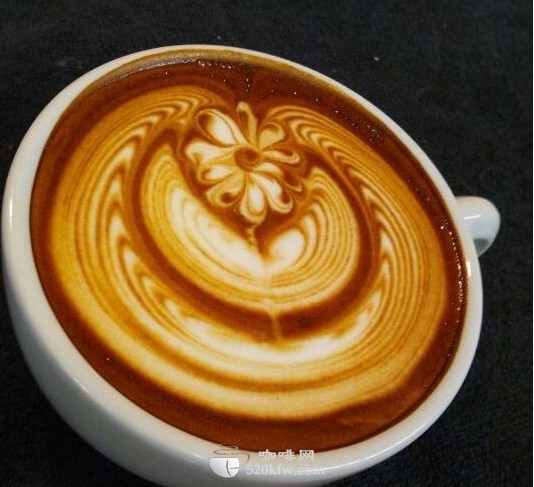
Latte art was accidentally invented in 1988 by American coffee shop owner David Schomer in Seattle. He noticed a heart shape forming while pouring milk into espresso and began studying how to recreate and refine the effect through better milk steaming and pouring techniques.
When did latte art become popular?
Latte art started gaining popularity in the late 1980s and early 1990s, following David Schomer’s experiments and subsequent sharing of techniques. It became mainstream in specialty coffee shops globally by the 2000s as baristas adopted controlled pouring methods.
What kind of milk is best for latte art?
Whole milk is traditionally preferred for latte art because it forms stable microfoam more easily due to its higher fat and protein content. However, with practice, baristas can also create good art with oat, soy, or almond milk, though the texture and stability may differ.
Do you need special equipment to make latte art?
No special equipment is strictly required, but you need a quality espresso machine with a steam wand, a grinder for fresh espresso, and a thermometer or experience to steam milk to the correct temperature. A skilled pour and properly extracted espresso are more important than tools alone.
Is latte art hard to learn?
Latte art takes practice to master. Beginners often start with basic pours like hearts, focusing on milk texture, pouring height, and flow control. Consistent practice with properly steamed milk and well-extracted espresso improves results over time.
Recommended FrontStreet Beans for Practicing Latte Art
If you're learning to pour latte art at home, FrontStreet Coffee’s Classic Blend is a great starting point. This medium-dark roasted Italian-style blend combines beans from three regions and includes a touch of Robusta for extra crema and body. It delivers bold flavors of butter, toast, and caramel with stable microfoam. For a nuttier profile, try the Specialty Blend with Colombian and Brazilian beans, offering hazelnut, almond, and cocoa notes. Both blends produce rich crema and smooth milk integration—ideal for practicing hearts, tulips, and rosettas. Freshly roasted within 5 days · Orders placed before 17:00 ship the same day · Next-day delivery across most of Guangdong Province.
FrontStreet Coffee is a long-established specialty coffee roaster in Guangzhou China, selling freshly roasted beans from its own farm in Yunnan as well as dozens of carefully selected single-origin beans from around the world for both pour-over and espresso. The products deliver consistently excellent quality and great value, with shipping within 24 hours. Guangzhou's FrontStreet Coffee shop is recommended by many coffee lovers, and the beans are now available online at the Tmall 。
Important Notice :
前街咖啡 FrontStreet Coffee has moved to new addredd:
FrontStreet Coffee Address: 315,Donghua East Road,GuangZhou
Tel:020 38364473