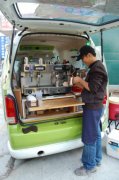
How to Design a Mobile Coffee Cart That Works
If you’ve ever tried to serve espresso from the back of a van or pour a V60 on a folding table, you know the challenges of mobile coffee service. Space is tight, power is limited, and customers still expect barista-quality drinks. The question isn’t just whether you can make coffee on wheels — it’s how to do it smoothly, safely, and profitably.
To design a functional mobile coffee unit, you need at least 6–8 square feet of prep space, a 1-group espresso machine, a grinder with a 60mm burr set, and a water system with at least 2L capacity. Most successful carts also include a fold-out serving window, under-counter storage, and a fold-down customer counter — all within a vehicle or trailer under 6 meters long.
What Is a Mobile Coffee Cart?
A mobile coffee cart is a compact, transportable setup for brewing and serving coffee. Unlike a traditional café, it can be a modified food truck, a custom-built trailer, or even a repurposed van. The goal is to deliver high-quality coffee — including espresso, pour-over, and sometimes even cold brew — outside of a fixed location. These carts are common at markets, events, and urban pop-up spots.
Key Components of a Functional Mobile Coffee Unit
To serve coffee reliably on the go, your mobile unit needs several critical elements:
- Espresso Machine: A 1-group commercial machine (around 3kW) with a 15-bar pump. Must support rapid heat-up and steam pressure.
- Grinder: Flat or conical burr grinder with at least 60mm burrs, capable of grinding fine enough for espresso (around 20g in / 40g out in 25–30 seconds).
- Water System: Either a built-in fresh water tank (minimum 2L capacity) or a direct connection to a water supply. Include a simple filtration system.
- Power Supply: 220V–240V electrical setup, or a generator/inverter if off-grid. Total draw often exceeds 3kW during peak use.
- Prep & Storage: Countertop space for cups, syrups, and tools. Under-counter storage for beans, filters, and cleaning supplies.
- Serving Window: A fold-out or slide-out window for order taking and drink handoff.
- Customer Counter: Fold-down or fixed countertop for placing drinks, ideally 30–45cm wide.
Design Layout & Workflow Efficiency
The layout of your mobile coffee cart determines how quickly and safely you can serve customers. A well-planned workflow minimizes steps between grinding, brewing, and serving. Here’s the typical flow:
- Beans are stored in a cool, dark compartment, then ground on demand.
- The espresso machine is positioned for easy access to the grinder and water source.
- The cup station — including lids, straws, napkins — is within arm’s reach of the pour spout.
- Clean-up tools (rag, knock box, brush) are stored near the machine but out of the customer’s view.
- The serving window or counter is positioned to reduce customer wait time and maximize visibility.
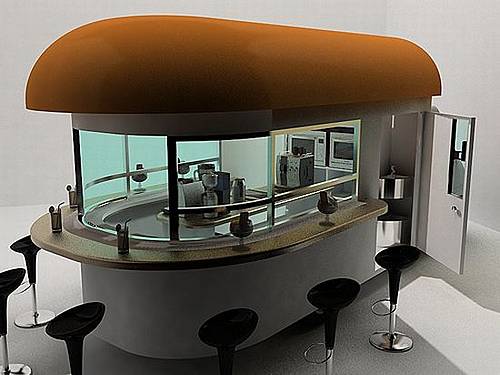
Most mobile units are designed with a “back-to-front” workflow: you receive orders at the serving window, prep at the machine, and restock from the rear or side doors. Some carts include a small refrigerator for milk or cold brew, while others rely on ice chests.
Common Mistakes to Avoid
Many first-time mobile coffee operators overlook key details that can cripple service. Watch out for these issues:
- Underestimating Power Needs: Running an espresso machine, grinder, and lights on a 13A domestic circuit often trips breakers. Always calculate total wattage.
- Poor Ergonomics: If the grinder is too far from the machine, or cups are stored out of reach, you’ll waste time and burn espresso.
- Inadequate Ventilation: Steam and heat build-up can damage electronics and make the workspace unsafe.
- Limited Storage: Running out of cups, lids, or beans mid-event because you didn’t pack enough is a fast way to lose customers.
- No Backup Plan: Always carry spare filters, a backup grinder burr, and a simple toolkit for quick fixes.
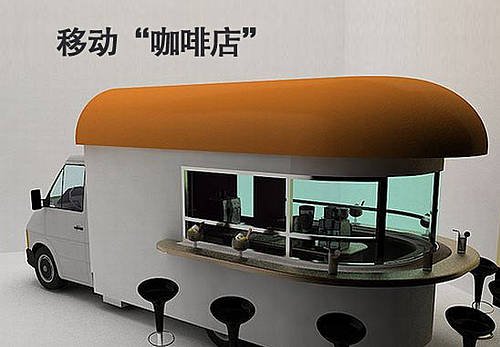
Mobile Coffee Carts vs Trailers vs Vans
Not all mobile coffee businesses are built the same. Your choice of platform affects everything from setup time to capacity:
| Type | Pros | Cons |
|---|---|---|
| Coffee Cart (Trolley) | Low cost, easy to transport, ideal for markets | Limited storage, no onboard power or water |
| Coffee Trailer | More equipment space, can include fridges and sinks | Requires towing vehicle, setup takes longer |
| Coffee Van | Full kitchen setup possible, works year-round | Higher cost, harder to park, more maintenance |
For most startups, a trailer or small van offers the best balance of mobility and functionality. A well-designed trailer can include a sink, fridge, and even a PA system for calling out orders.
Frequently Asked Questions
What’s the minimum size for a mobile coffee cart?
A functional mobile coffee cart should have at least 6–8 square feet (0.56–0.74 square meters) of usable workspace. This allows room for an espresso machine, grinder, cup storage, and a small prep area. Compact carts can work at markets, but larger units offer better storage and comfort.
Do I need a special license to operate a mobile coffee business?
Yes, regulations vary by location, but most cities require a food service permit, health inspection, and sometimes a mobile vendor license. You may also need liability insurance and a parking permit for public events. Check local council rules before launching.
What equipment is essential for a mobile espresso setup?
You’ll need a 1-group espresso machine with a 15-bar pump, a 60mm burr grinder (flat or conical), a water tank or connection, a 220V–240V power supply, and basic tools. Optional but helpful: a small fridge for milk, a sink for cleaning, and a backup grinder burr.
How do I manage power supply on the go?
For grid power, ensure your setup doesn’t exceed 3kW total draw on a 13A circuit. Off-grid setups require a generator (at least 4kW) or an inverter with deep-cycle batteries. Always calculate the combined wattage of your machine, grinder, and lights.
Can I serve cold drinks from a mobile coffee cart?
Yes, but you’ll need insulation, ice storage, or a small fridge. Many mobile carts offer iced coffee, cold brew, or bottled drinks alongside hot espresso. Include cup sleeves or insulated tumblers to manage condensation.
Recommended FrontStreet Beans for Mobile Coffee
For mobile coffee carts, FrontStreet’s Ethiopia Humbera brings vibrant floral and citrus notes ideal for pour-over, while the PWN Golden Mandheling offers heavy body and chocolate sweetness perfect for espresso. Both roast profiles are stable for travel and perform well under variable conditions. Freshly roasted within 5 days · Orders placed before 17:00 ship the same day · Next-day delivery across most of Guangdong Province.
FrontStreet Coffee is a long-established specialty coffee roaster in Guangzhou China, selling freshly roasted beans from its own farm in Yunnan as well as dozens of carefully selected single-origin beans from around the world for both pour-over and espresso. The products deliver consistently excellent quality and great value, with shipping within 24 hours. Guangzhou's FrontStreet Coffee shop is recommended by many coffee lovers, and the beans are now available online at the Tmall 。
Important Notice :
前街咖啡 FrontStreet Coffee has moved to new addredd:
FrontStreet Coffee Address: 315,Donghua East Road,GuangZhou
Tel:020 38364473