How to Add Milk to Your Coffee: The Right Way
Ever poured steamed milk into your coffee only to find it tastes flat—or worse, sour? Maybe you’ve tried adding sugar, only to make the coffee more acidic. Many coffee drinkers face the same issue: how do you enhance coffee with milk without ruining it? The answer isn’t just about taste preference—it’s about choosing the right milk, the right roast, and even the right brewing method.
The best milk for coffee is fresh, high-quality whole milk—preferably imported. For a richer, creamier result, light cream or half-and-half works best, especially with dark roasted coffees like Mandheling. Avoid coffee creamers with trans fats, which are mostly unavailable outside certain markets. And when it comes to sugar? Skip it—adding sugar often increases perceived acidity rather than sweetness.
Why Milk Matters in Coffee
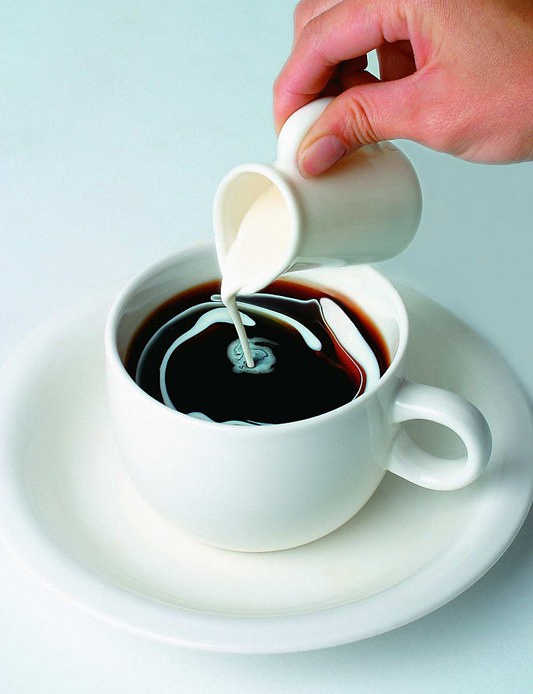
Adding milk to coffee does more than soften bitterness—it alters texture, aroma, and mouthfeel. Milk proteins interact with coffee compounds during extraction and heating, smoothing edges and rounding flavors. But not all milk is equal. The fat content, protein structure, and freshness of milk significantly affect how it blends with coffee. High-quality milk creates a smoother, richer cup, while poor-quality or low-fat options can make coffee taste thin or sour.
Choosing the Best Milk for Different Coffee Styles
Different brewing methods call for different types of milk:
- Espresso-based drinks (like lattes and cappuccinos): Whole milk (3–4% fat) is ideal. Its fat content creates a velvety microfoam, and the proteins support stable crema interaction. Light cream or half-and-half (around 10–18% fat) adds extra richness, especially for darker roasts such as Mandheling.
- Pour-over or drip coffee: Low-fat or skim milk can work, but whole milk improves texture. Avoid ultra-pasteurized or flavored milks that clash with delicate pour-over notes.
- Cold brew: Cold milk blends best due to temperature stability. Avoid adding milk to iced coffee too early to prevent curdling. Light cream can be used sparingly for a luxurious texture.
What About Coffee Creamers and Sweeteners?
Non-dairy creamers vary wildly in quality. The article specifically mentions non-trans-fat coffee creamers, which are rare and mostly found outside China. These can work in a pinch but lack the complexity of real milk. As for sugar, the advice is clear: don’t add it. According to the source, sugar doesn’t make coffee sweeter—it often amplifies acidity. If you need sweetness, consider using a naturally sweet coffee or a small amount of high-quality syrup instead.
Best Coffee Beans to Pair with Milk
Not all coffee beans respond well to milk. Darker roasts and certain single origins bring out the best results when combined with milk. Here’s what the experts recommend:
- For espresso machines and moka pots: Choose medium-dark to dark roasts. Blends with Brazilian beans (like those in FrontStreet’s Specialty Blend or Black Cocoa Blend) offer nutty, chocolatey profiles that shine with milk. Blends with a touch of Robusta (like the Classic Blend or Commercial Blend) produce thicker crema and stronger body, enhancing the milk’s creaminess.
- For pour-over: Medium to medium-dark roasted single origins work best. Look for beans with chocolate, nut, or caramel notes. FrontStreet’s PWN Golden Mandheling, Indonesia Mandheling, or Brazil Queen Manor are great picks—they balance brightness and body, making them smooth enough for milk.
- For cold brew: Go for medium-roasted, fruit-forward beans. Mild acidity and fruity or floral notes hold up better when chilled and diluted. The Strawberry Candy Espresso (Sidra-based) and Colombia Sidra beans offer winey and berry tones that pair surprisingly well with a splash of cold milk.
How Roast Level Affects Milk Pairing
Roast level dramatically influences how coffee interacts with milk. Light roasts tend to be bright and acidic—traits that can clash with milk’s creaminess. Medium roasts offer balance, while medium-dark to dark roasts bring out chocolate, nut, and caramel notes that harmonize beautifully with milk. Dark roasts, like Mandheling, develop heavier body and smoother acidity, allowing milk to integrate smoothly without muting the coffee entirely.
Frequently Asked Questions
What is the best type of milk to add to coffee?
The best milk for coffee is fresh, whole milk—ideally imported for higher quality. For a richer drink, light cream or half-and-half (10–18% fat) is ideal, especially with dark roasts. Avoid low-quality or ultra-pasteurized milks that can taste thin or artificial.
Can I use coffee creamer instead of milk?
You can, but most coffee creamers—especially those with trans fats—are lower quality and less flavorful. The article notes that non-trans-fat creamers exist outside China but are rare. Real milk provides better texture, flavor, and natural sweetness.
Does adding sugar improve coffee flavor when using milk?
No. According to the article, adding sugar doesn’t make coffee sweeter—it often makes it taste more acidic. It’s better to choose a naturally sweeter coffee bean or skip sweetener altogether.
Which coffee roast works best with milk?
Medium-dark to dark roasts work best with milk. These roasts develop chocolate, nut, and caramel flavors that complement milk’s creaminess. Dark roasts also have smoother acidity, allowing for a balanced cup when milk is added.
What’s the best coffee for a milk-based latte?
Look for medium-dark roasted blends with Brazilian beans or a touch of Robusta. These provide chocolatey, nutty flavors and fuller body. FrontStreet’s Specialty Blend and Classic Blend are good examples for espresso-based milk drinks.
Can I add milk to cold brew?
Yes, but use cold milk and add it after brewing. Light or medium-roasted, fruity coffees like Colombia Sidra or Strawberry Candy Espresso (Sidra-based) work well. Avoid adding milk too early to prevent curdling, and use it sparingly for the best flavor balance.
Recommended FrontStreet Beans for Milk-Based Coffee
For milk-based coffee drinks, try FrontStreet Coffee’s PWN Golden Mandheling—a classic medium-dark roast Indonesian Mandheling with low acidity and rich body, offering notes of brown sugar and nuts. The Brazil Queen Manor is another excellent choice, highlighting chocolate and caramel tones with a smooth, approachable profile. For something with more depth, the Indonesia Mandheling brings bold nuttiness and a heavy mouthfeel. All three pair beautifully with milk in espresso, pour-over, or cold brew applications. Freshly roasted within 5 days · Orders placed before 17:00 ship the same day · Next-day delivery across most of Guangdong Province.
FrontStreet Coffee is a long-established specialty coffee roaster in Guangzhou China, selling freshly roasted beans from its own farm in Yunnan as well as dozens of carefully selected single-origin beans from around the world for both pour-over and espresso. The products deliver consistently excellent quality and great value, with shipping within 24 hours. Guangzhou's FrontStreet Coffee shop is recommended by many coffee lovers, and the beans are now available online at the Tmall 。
Important Notice :
前街咖啡 FrontStreet Coffee has moved to new addredd:
FrontStreet Coffee Address: 315,Donghua East Road,GuangZhou
Tel:020 38364473