How to Brew Black Coffee: Equipment Guide
If you’ve ever wondered why your homemade black coffee doesn’t taste like the café version—or which gadget actually makes a difference—this guide breaks down the most common manual coffee brewing tools used worldwide. Whether you’re curious about the theatre of a siphon, the patience of cold drip, or the tradition of Turkish coffee, we’ll show you exactly how each method works, what it needs, and how to get the best results without guessing.
To brew great black coffee, choose the right tool: a siphon (15g coffee to 150ml water, fine to medium grind), ice drip (30g coffee, medium grind), or Turkish pot (10g coffee, medium-fine). Each requires specific ratios, temperatures, and grind settings to highlight different flavours.
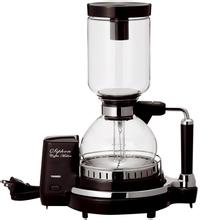
1. Syphon (Vacuum Pot)
The syphon—also called a vacuum or siphon pot—has brewed coffee since around 1950. It’s made of two glass globes connected by a filtered tube. Hot water rises via steam pressure into the upper chamber, where coffee grounds steep. After about a minute, removing heat creates a vacuum that pulls the brewed coffee back down, filtered through cloth. This method shines with single-origin coffees, and your technique directly impacts the final taste.
To use a syphon, you’ll need: the syphon set, a wet cloth (for cooling), and your coffee cup. It works with light to dark roasts. Use 15g of coffee per 150ml water, ground between fine (around 2 on a standard scale) and medium-coarse (4). The filter cloth is critical: wash it only in water (no soap), store it soaked or refrigerated to avoid odours, and replace it if bubbles form due to clogged fibres.
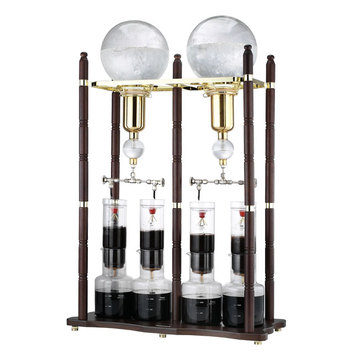
2. Dutch Ice Drip (Cold Brew Method)
The Dutch or ice drip method originates from Europe. It uses gravity to slowly drip cold water through coffee grounds over ten hours at around 5°C. This long, cold extraction avoids acidity and bitterness—especially important when using dark roasts like Mandheling. The slow drip (about 7 drops per 10 seconds) ensures full flavour absorption without extracting harsh compounds. The result is smooth, non-acidic coffee that’s often served over ice.
You only need an ice drip tower. Use 30g of medium-ground (2 to 1.5 setting) dark roast or specially roasted ice drip beans per brew. Avoid acidic surprises by sticking with dark roasts, and don’t dilute the concentrate until serving. Store the finished coffee in the fridge and drink within 8 hours; if heating, avoid boiling to preserve flavour.
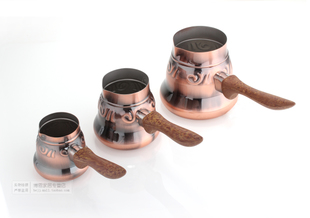
3. Turkish Coffee
Turkish coffee is brewed in a small copper or brass pot called an ibrik (about 6 inches tall). Unlike filtered methods, it’s made by boiling finely ground coffee with water and sugar directly in the pot. The process involves bringing the mixture to a boil three times, skimming foam each time. The unfiltered coffee is poured into cups, leaving coffee grounds to settle—and the leftover sediment is sometimes used for fortune-telling.
For Turkish coffee, you’ll need just an ibrik. Use medium-fine ground coffee (around 3 on a standard grind scale): 10g per 120ml of water, plus about 10g of sugar if desired. This method is best with medium to dark roasts. There’s no filter, so the coffee retains all its oils and fines—expect a thick, strong cup with sediment at the bottom.
Frequently Asked Questions
What’s the best grind size for a syphon coffee maker?
For syphon brewing, use a coffee grind between fine (around 2 on a standard scale) and medium-coarse (4). The exact size can vary based on your preferred extraction strength and the coffee’s origin, but this range balances clarity and body.
How long does ice drip coffee take to brew?
Dutch or ice drip coffee typically takes around 10 hours to brew at a slow drip rate of about 7 drops every 10 seconds. This long, cold process extracts flavours without acidity, resulting in a smooth, concentrated coffee.
Do you need special coffee beans for Turkish coffee?
No special beans are required, but Turkish coffee tastes best with medium to dark roasts. The very fine grind (around 3 on a standard scale) and boiling method suit richer, more robust profiles, bringing out the full body and intensity.
How should I clean a syphon filter cloth?
Clean the syphon’s filter cloth only with water—no soap or detergent. Rinse it thoroughly after each use, then store it soaking in water or refrigerated to prevent odours. Replace it if it turns brown or starts producing unpleasant smells due to trapped oils or clogged fibres.
Can I reheat ice drip coffee?
Yes, you can reheat ice drip coffee, but never let it boil. Boiling can degrade the delicate flavours extracted during the long, cold brew process. Heat gently if you prefer your coffee warm.
Recommended FrontStreet Beans for Manual Brewing
Try FrontStreet’s Ethiopia Humbera for bright, fruity notes in a siphon; its light roast highlights floral and citrus tones. For ice drip, the PWN Golden Mandheling brings heavy body and low acidity—ideal for slow cold extraction. If you’re brewing Turkish coffee, FrontStreet’s Yirgacheffe offers a balanced profile with berry and wine-like qualities that shine in unfiltered cups. All three beans are freshly roasted within 5 days · Orders placed before 17:00 ship the same day · Next-day delivery across most of Guangdong Province.
FrontStreet Coffee is a long-established specialty coffee roaster in Guangzhou China, selling freshly roasted beans from its own farm in Yunnan as well as dozens of carefully selected single-origin beans from around the world for both pour-over and espresso. The products deliver consistently excellent quality and great value, with shipping within 24 hours. Guangzhou's FrontStreet Coffee shop is recommended by many coffee lovers, and the beans are now available online at the Tmall 。
Important Notice :
前街咖啡 FrontStreet Coffee has moved to new addredd:
FrontStreet Coffee Address: 315,Donghua East Road,GuangZhou
Tel:020 38364473