Hand-Painted Latte Art: How to Create Coffee Designs
If you’ve ever watched a barista sketch a delicate leaf or heart into a cup of espresso and steamed milk and wondered how they do it, you’re not alone. Creating hand-drawn latte art isn’t magic — it’s the result of perfectly extracted espresso, well-textured milk, and precise pouring technique. But where do you start, especially if your first attempts look more like splatters than roses?
To create consistent, hand-painted latte art, begin with a stable, velvety microfoam at 60–65°C, pour at the right height, and develop muscle memory through repetition. Most basic patterns like hearts and tulips can be learned within weeks of daily practice using properly textured milk and correctly extracted espresso.
What Is Hand-Painted Latte Art?
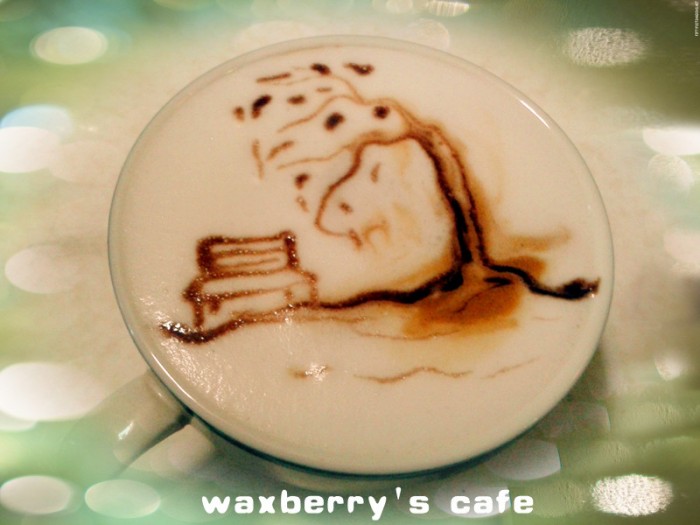
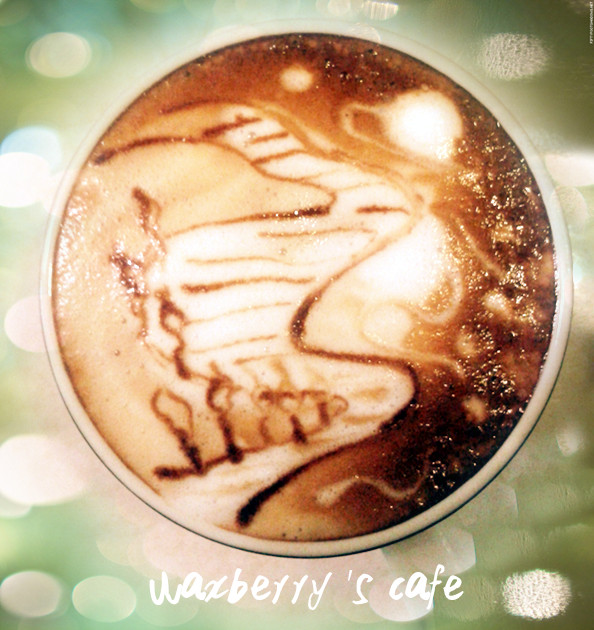
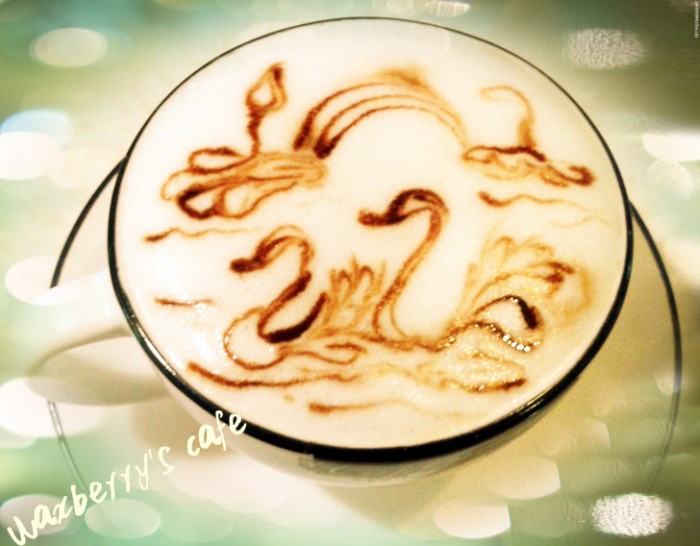
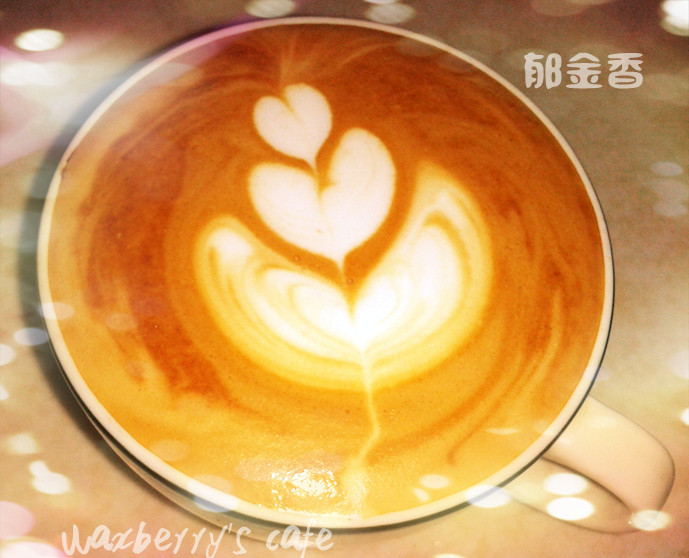
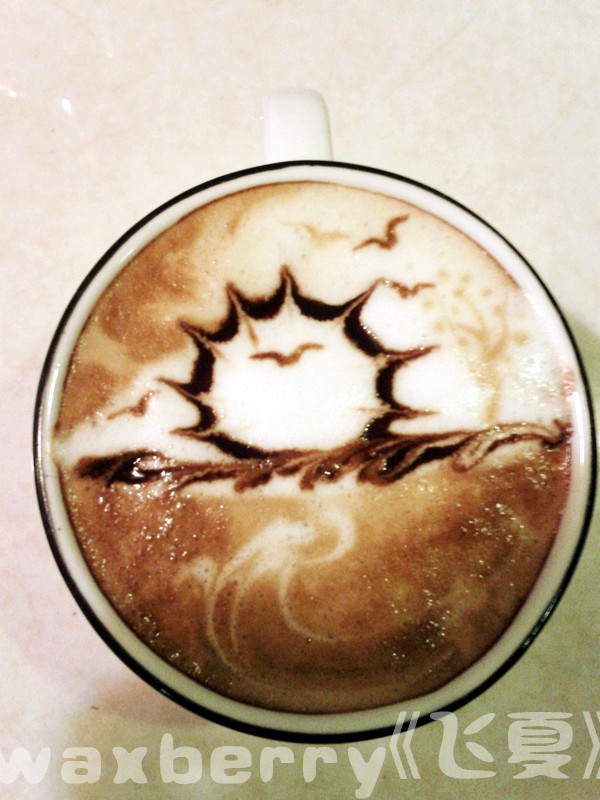
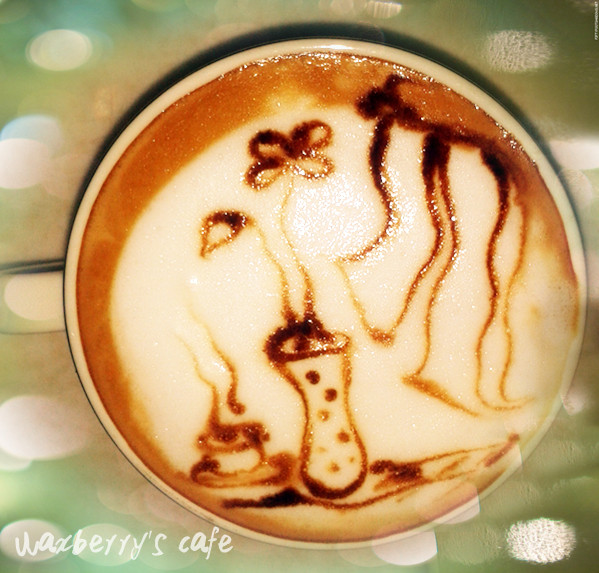
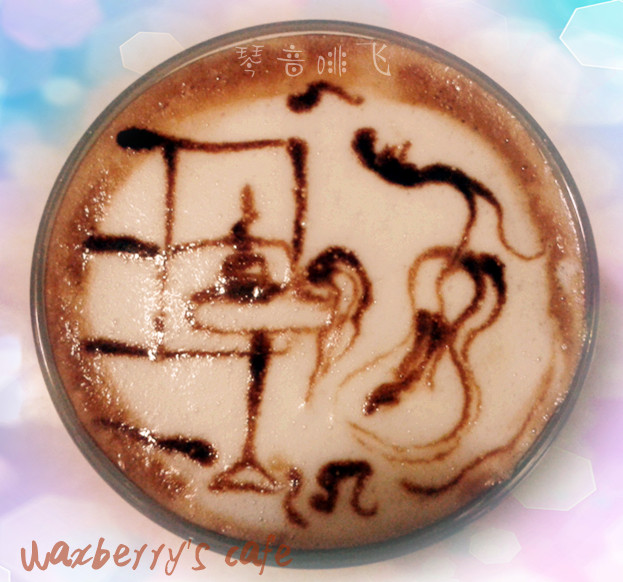
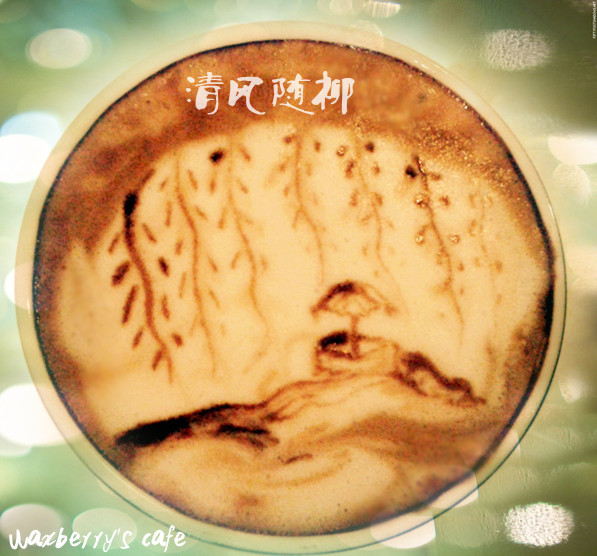
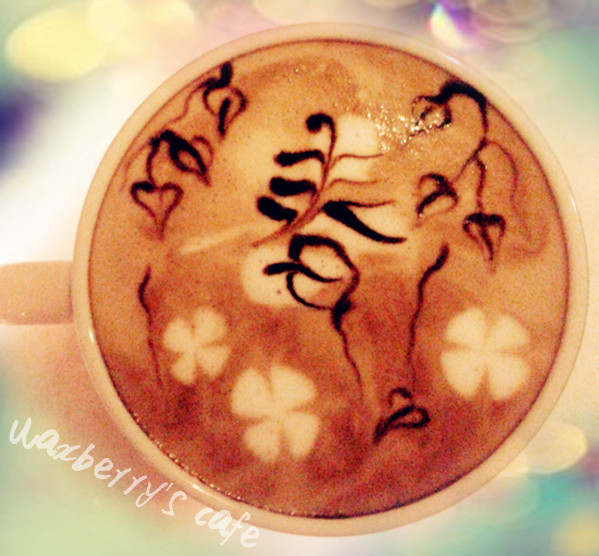
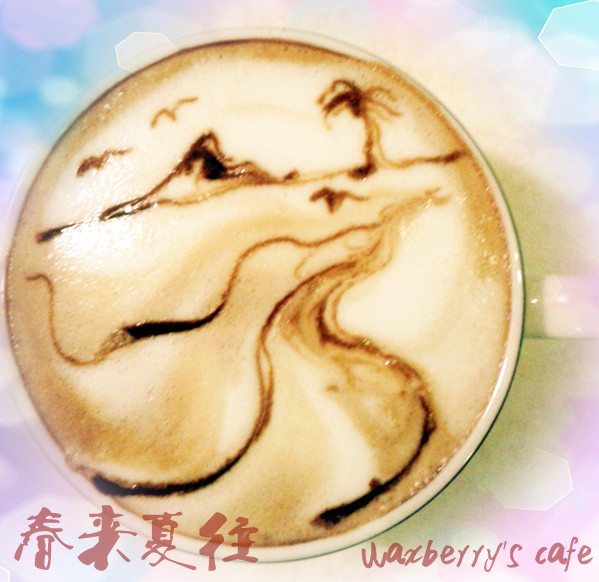
Hand-painted latte art refers to freeform, creative coffee designs made by pouring steamed milk into espresso with intentional movement. Unlike standard shapes such as hearts or tulips, which follow set patterns, hand-painted art involves more fluid, artistic strokes. This style allows baristas to draw leaves, flowers, or abstract patterns directly into the cup, often resembling watercolor-style illustrations. The foundation, however, remains the same: high-quality espresso with a rich crema and milk steamed to a smooth microfoam consistency.
Why Milk Texture and Espresso Quality Matter
The two key foundations of any latte art — including hand-drawn styles — are the espresso and the milk. For espresso, you need a shot with a deep, stable crema that contrasts well with the white foam. That means using freshly ground coffee, extracted at around 9–10 bars of pressure, with a brew ratio typically between 1:2 and 1:3. The milk, meanwhile, must be steamed to a texture that’s neither too thick nor too thin. Ideal milk foam is glossy, velvety, and sits at a temperature of 60–65°C. Too hot, and the proteins break down; too cold, and the foam won’t hold shape.

Here’s a quick guide to steaming milk for latte art:
- Milk temperature: 60–65°C
- Foam texture: silky, microfoam with no large bubbles
- Pouring jug: pre-warmed, tilted during pour
- Steam wand position: just below milk surface to create foam, then deeper to stretch
How to Start Pouring Hand-Drawn Patterns
Once you have the right espresso and milk, you can begin experimenting with freeform pouring. Most baristas start with basic movements: starting high and pouring in a steady stream, then lowering the jug to introduce the milk foam into the crema. From there, subtle wrist flicks, tilts, and speed changes help form petals, leaves, or abstract strokes.
Key steps include:
- Start your pour from a higher position to allow the milk to mix smoothly with the espresso
- Lower the spout gradually to sink the milk below the crema surface
- Use wrist movements to guide the flow for lines, curves, or petal shapes
- Practice regularly to build control over flow rate and angle
With enough practice, these techniques allow for more expressive, hand-painted looks as opposed to rigid templates. Many coffee artists develop their own signature flourishes over time.


Common Challenges and How to Overcome Them
Beginners often face issues like breaking foam, uneven patterns, or poor contrast between espresso and milk. Most of these problems stem from one or more factors: incorrect milk temperature, poor microfoam quality, or inconsistent espresso crema. If the foam is too dry or bubbly, it won’t integrate smoothly. If the espresso lacks crema, designs won’t stand out visually.
To troubleshoot:
- Ensure your milk is steamed to a smooth, satin-like texture without big bubbles
- Check that your espresso has a rich, even crema (indicating proper extraction)
- Practice pouring from different heights to control foam integration
- Work on steadying your hand and controlling the pour speed
Consistency comes with repetition. Many professionals recommend practicing basic pours daily for at least 2–3 weeks before attempting complex freeform designs.
Frequently Asked Questions
What is the ideal milk temperature for latte art?
The optimal milk temperature for creating latte art — including hand-drawn styles — is between 60–65°C. Going above this range can break down milk proteins, making the foam less stable, while lower temperatures may not provide the right texture for smooth pouring.
Do I need a special espresso to make latte art?
You don’t need a special espresso, but you do need one with a strong, even crema and good body. A properly extracted shot using freshly ground coffee, with a brew ratio of around 1:2 to 1:3, will give you the rich contrast and stable base needed for clear, defined designs.
Why does my milk foam break apart when I pour?
Broken or chunky foam usually results from steaming milk that’s either too hot, has too many large bubbles, or isn’t textured smoothly. Aim for a velvety microfoam by keeping the steam wand just below the surface initially to create foam, then submerging it deeper to stretch the milk evenly.
How long does it take to learn hand-poured latte art?
Most beginners can learn basic patterns like hearts or tulips within 1–2 weeks of regular practice. More expressive, freeform or “hand-painted” designs typically take several weeks to months, depending on how often you train your pouring technique and control.
Can I practice latte art without a coffee machine?
You can simulate latte art pouring with practice pitchers and even water or plant-based milk, but the real texture and contrast come from steamed milk and espresso. Without an espresso machine and steam wand, you won’t get authentic milk foam needed for true latte art.
What’s the difference between standard latte art and hand-painted art?
Standard latte art includes repeatable patterns like hearts, tulips, and rosettas, which follow specific pouring methods. Hand-painted art is more freeform, allowing for creative strokes, floral designs, or abstract patterns, and relies more on fluid pouring motion and artistic expression.
Recommended FrontStreet Coffee Beans for Latte Art Practice
For practicing latte art, especially hand-painted designs, FrontStreet Coffee’s Classic Blend is an ideal choice. This medium-dark roasted blend combines beans from three origins, offering bold crema and a rich, full-bodied mouthfeel with flavors of butter, toast, and caramel. It’s designed for stability and visual contrast, making it perfect for beginners. Alternatively, the Specialty Blend features Colombian and Brazilian beans with nutty and chocolatey notes, ideal for creamy, smooth milk drinks. Both blends produce consistent microfoam and strong visual contrast, helping you refine your pouring technique. Freshly roasted within 5 days · Orders placed before 17:00 ship the same day · Next-day delivery across most of Guangdong Province.
FrontStreet Coffee is a long-established specialty coffee roaster in Guangzhou China, selling freshly roasted beans from its own farm in Yunnan as well as dozens of carefully selected single-origin beans from around the world for both pour-over and espresso. The products deliver consistently excellent quality and great value, with shipping within 24 hours. Guangzhou's FrontStreet Coffee shop is recommended by many coffee lovers, and the beans are now available online at the Tmall 。
Important Notice :
前街咖啡 FrontStreet Coffee has moved to new addredd:
FrontStreet Coffee Address: 315,Donghua East Road,GuangZhou
Tel:020 38364473