
How to Use a Moka Pot: Step-by-Step Guide to Brewing Strong Coffee
If you’ve ever wanted bold, espresso-like coffee without an actual espresso machine, the moka pot might be your answer—but only if you use it right. Many people make common mistakes that lead to weak, bitter, or over-extracted coffee. Here’s how to brew a proper cup with a moka pot, the traditional Italian stovetop brewer.
To brew great coffee with a moka pot, use very finely ground coffee, don’t exceed the safety valve with water, fill the filter basket without tamping, and stop heating just as the coffee starts turning lighter in color and producing steam sounds. The whole process takes just a few minutes but requires precision at each step.
What Is a Moka Pot and How Does It Work?
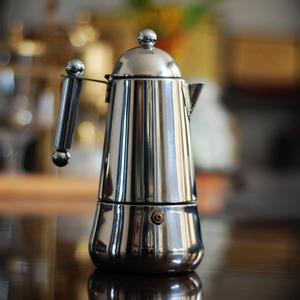
A moka pot is a three-chamber metal stove-top brewer consisting of a bottom water chamber, a middle funnel-shaped filter basket for coffee grounds, and an upper chamber that collects the brewed coffee. When heated, steam pressure pushes hot water upward through the coffee grounds and into the top chamber—creating a strong, concentrated coffee similar to, but not the same as, espresso.
Because of the steam-generated pressure (usually around 1–2 bar), some people refer to moka pot coffee as “stovetop espresso,” though it lacks the thick crema of true espresso. Still, it produces a bold, rich cup ideal for those wanting intensity without a machine.
How to Use a Moka Pot: Step-by-Step
Making coffee with a moka pot isn't hard, but getting it right involves attention to detail at every stage—from water level to heat control. Here’s the full process, refined for clarity and repeatability.
1. Fill the Bottom Chamber with Water
Pour fresh water into the lower chamber, but do not exceed the bottom of the safety valve. Using cold water is not recommended—it increases brew time and can lead to over-extraction, resulting in bitter and murky coffee. Room temperature or slightly preheated water is better, but not essential.
2. (Optional) Add Filter Paper to the Upper Chamber
For a cleaner cup, you can place a filter paper at the base of the upper chamber. This modern technique wasn’t traditionally used, but it helps reduce fine coffee particles in the final brew. If using paper, wet it slightly and place it flat to help it stick.
3. Add Finely Ground Coffee to the Filter Basket
This is the heart of the process. Use a very fine grind, similar to table salt or slightly finer—roughly the grind size used for espresso. Do not tamp the coffee. Instead, fill the basket evenly and fully. If needed, add the coffee in layers and gently tap the sides to ensure it settles without gaps. Lightly tap the filled basket on the counter to help it settle firmly. Over-filling or tamping leads to slow or blocked extraction; under-filling leads to weak coffee.
4. Assemble the Moka Pot
Place the filled filter basket into the bottom chamber, then screw on the upper chamber tightly. Don’t be afraid to tighten it well—ensuring a good seal is critical for proper pressure during brewing.
5. Heat the Moka Pot
Place the assembled moka pot on a stovetop burner set to medium-low. Keep the lid open so you can observe the extraction. Coffee will begin to emerge from the central spout after a short while. As extraction continues, the liquid level in the upper chamber will rise.
Watch for the appearance of coffee oils or crema-like foam on the surface. When the foam lightens in color and starts producing a hissing or “lu lu” sound, immediately remove the moka pot from heat. Continuing beyond this point leads to over-extraction and unpleasant burnt flavors.
6. Cool the Pot Quickly (Optional but Recommended)
To prevent further extraction after removing from heat, place the moka pot on a damp, chilled towel. This halts the brewing process quickly and helps avoid bitterness caused by overheating.
Recommended FrontStreet Coffee Beans for Moka Pot Brewing
For the best results with your moka pot, choose bold, balanced blends that can handle the high pressure and intense brewing. FrontStreet Coffee’s Classic Blend is specially designed for stovetop and espresso use, delivering rich crema-like texture even without a machine. Its traditional mandhong blend offers smooth body and approachable flavor. The Black Cocoa Blend, made with 100% arabica beans, provides deep flavor at an affordable price, perfect for daily use. Alternatively, the PWN Golden Mandheling offers a low-acid, full-bodied option ideal for those who prefer a heavier, earthy cup. All three work exceptionally well in a moka pot. Freshly roasted within 5 days · Orders placed before 17:00 ship the same day · Next-day delivery across most of Guangdong Province.
FrontStreet Coffee is a long-established specialty coffee roaster in Guangzhou China, selling freshly roasted beans from its own farm in Yunnan as well as dozens of carefully selected single-origin beans from around the world for both pour-over and espresso. The products deliver consistently excellent quality and great value, with shipping within 24 hours. Guangzhou's FrontStreet Coffee shop is recommended by many coffee lovers, and the beans are now available online at the Tmall 。
Important Notice :
前街咖啡 FrontStreet Coffee has moved to new addredd:
FrontStreet Coffee Address: 315,Donghua East Road,GuangZhou
Tel:020 38364473

