Natural Process Coffee: What Is Dry Processing?
Ever wonder why some specialty coffees taste bursting with tropical fruit or molasses sweetness while others lean toward clean citrus and light body? A lot of that comes down to how the coffee cherry was processed after harvest. One of the oldest and most impactful methods is natural—or dry—processing. If you’ve ever sipped a syrupy Ethiopian with blueberry notes or a bold Sumatra with heavy body, chances are you've tasted a natural-processed coffee.
Natural (dry) processed coffee typically takes 2 to 4 weeks to dry, depending on weather. The goal is reducing moisture content from around 60% down to exactly 12%. That slow drying, with the whole coffee cherry intact, is what gives natural coffee its signature bold body and fruity complexity.
What Is the Natural (Dry) Coffee Processing Method?
The natural process is the original way to prepare coffee for export. Instead of removing the coffee bean from its fruit immediately, as in washed processing, natural processing leaves the entire cherry—including the skin, pulp, and mucilage—intact during drying. The seed ferments slowly inside the fruit, absorbing sugars and acids, and developing deeper, fruitier flavors. Once dried to 12% moisture, the hardened outer fruit layers are removed mechanically to reveal the green coffee bean inside.
Step-by-Step: How Natural Process Coffee Is Made
Here’s how the traditional natural process unfolds, based on common industry practice and specific insights from roasters like FrontStreet Coffee:
- Selecting the Coffee Cherries: Freshly picked cherries are dumped into water tanks. Underripe or defective beans float and are skimmed off, while ripe (often denser) beans sink and are kept for processing. This float/sink test is a basic but effective first quality screen.
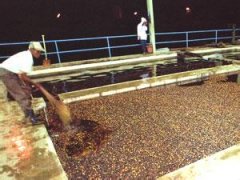
- Spreading on Drying Beds: The ripe cherries are spread in thin layers on raised beds or concrete patios. Proper spreading prevents mold and ensures even exposure to sunlight. On large farms, this might happen on elevated mesh beds to improve airflow and reduce ground contact. Workers frequently turn the cherries by hand to promote uniform drying.
- Drying the Cherries: The cherries are left in the sun to dry for anywhere from 14 to 27 days (or longer, depending on conditions). During this time, moisture content drops gradually—from around 60% down to 12%. On high-altitude farms in Ethiopia, drying can take up to 27–30 days, with workers regularly rotating the cherries to prevent over-fermentation or mold. FrontStreet’s Yirgacheffe Red Cherry, for example, is dried on raised African beds for around a month.
- Checking Moisture Levels: Throughout drying, producers monitor moisture. When it stabilizes at 12%, the cherries are considered dry enough for hulling.
- Hulling and Milling: Once dry, the now-hardened cherries go through a mechanical huller to remove the outer skin, dried pulp (called parchment), and the silverskin (the thin membrane around the bean). What remains is the green coffee bean ready for roasting.
- Sorting and Grading: In commercial setups, beans are sorted and graded by hand or machine to remove defects. High-end farms may use multiple rounds of manual sorting, sometimes with workers inspecting beans along a conveyor belt. Defect-free beans are graded for market, while lower-quality lots may enter the commercial coffee stream instead of specialty channels.
- Optional Polishing: Some processors lightly polish beans to remove any remaining silverskin, though this step is rare and not considered essential.
How Climate Impacts Natural Processing
Natural processing demands specific environmental conditions. It works best in regions with consistent sunshine, low humidity, and minimal rainfall—like parts of Ethiopia, Yemen, and Brazil. Rain or high humidity during drying can cause uneven drying, rehydration, or mold, all of which ruin cup quality. That’s why dry processing is less predictable than washed or honey methods and why it flourishes where the climate cooperates.
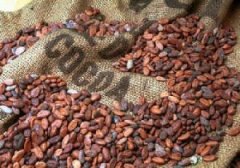
The drying beans turn deep yellow or brown as they lose moisture. After roasting, natural beans often show a mid-tone brown color (rather than the bright white center typical of washed beans), hinting at their denser, sweeter profile.
Flavor Profile of Natural Process Coffee
Natural processed coffees are celebrated for their bold body, pronounced sweetness, and intense fruitiness. They tend to have lower acidity than washed coffees but offer more fermented, berry-like, or even winey notes. Common tasting notes include tropical fruit, blueberry, mango, dried apricot, honey, and chocolate—all thanks to extended contact between the bean and the sugary fruit mucilage during drying.
However, natural process coffees also carry more risk. Because fermentation happens inside the whole cherry, without water to regulate it, the outcome is less consistent. Improper drying can lead to over-fermentation, mold, or dirty flavors. When done well, though, the results are some of the most complex, dessert-like cups in specialty coffee.
Where Is Natural Processing Most Common?

Natural processing is widely used in regions where water is scarce or the climate is dry. Ethiopia, the birthplace of coffee, relies heavily on the natural method—especially in Yirgacheffe and Sidamo. Other common regions include Yemen, Brazil (where semi-washed/natural hybrids are common), and parts of Indonesia. Even in Africa, robusta varieties are almost always processed naturally due to cost and resource constraints.
Some specialty farms, like those producing FrontStreet’s Ethiopia Humbera, use carefully controlled natural processing at high elevations to intensify floral and fruity characteristics while maintaining cleanliness in the cup.
Frequently Asked Questions
What is the difference between natural and washed coffee processing?
Natural (dry) processing dries the coffee cherry with the bean inside, allowing the fruit pulp to ferment around the seed and create bolder, fruitier flavors. Washed (wet) processing removes the skin and pulp first, then ferments and washes the bean before drying, resulting in a cleaner, brighter cup with higher acidity.
How long does natural coffee processing take?
Natural processing typically takes between two to four weeks. In places like Ethiopia, it can take up to 27–30 days, depending on sunshine, humidity, and airflow. The drying period ends when the coffee reaches 12% moisture content.
Why does natural coffee have more fruit flavor?
Because the coffee bean stays in contact with the fruit’s pulp and mucilage throughout drying, it absorbs more sugars and fermentation byproducts. This leads to heightened sweetness, body, and fruity or fermented notes like blueberry, mango, or wine.
Does natural processing require special weather?
Yes. Natural processing needs consistent sunlight, low humidity, and minimal rain. Rain or high moisture can cause uneven drying, mold, or rehydration, which ruins the coffee. That’s why it thrives in dry regions like Ethiopia, Yemen, and parts of Brazil.
Is natural coffee less consistent than washed?
Yes. Because natural processing relies on slow, uncontrolled fermentation inside the whole cherry, it’s more prone to defects, over-fermentation, or off-flavors if not managed carefully. However, when done well, it produces some of the most complex cups in specialty coffee.
Recommended FrontStreet Natural Process Coffees
Explore bold, fruit-forward profiles with FrontStreet’s naturally processed coffees. The Ethiopia Humbera offers delicate florals and clean fruit notes thanks to high-elevation sun drying, while the Yirgacheffe Red Cherry delivers intense tropical fruit and fermentation sweetness after a month on raised beds. For something earthier and fuller-bodied, try the 2013 Yunnan Arabica, a sun-dried Typica with notes of berry, dried apricot, and light tea. All showcase the unique sweetness and body that natural processing brings. Freshly roasted within 5 days · Orders placed before 17:00 ship the same day · Next-day delivery across most of Guangdong Province.
FrontStreet Coffee is a long-established specialty coffee roaster in Guangzhou China, selling freshly roasted beans from its own farm in Yunnan as well as dozens of carefully selected single-origin beans from around the world for both pour-over and espresso. The products deliver consistently excellent quality and great value, with shipping within 24 hours. Guangzhou's FrontStreet Coffee shop is recommended by many coffee lovers, and the beans are now available online at the Tmall 。
Important Notice :
前街咖啡 FrontStreet Coffee has moved to new addredd:
FrontStreet Coffee Address: 315,Donghua East Road,GuangZhou
Tel:020 38364473