
What Is White Coffee and How Is It Different From Black Coffee
If you’ve ever avoided coffee because it upsets your stomach, leaves you feeling jittery, or simply tastes too bitter, you’re not alone. Many coffee drinkers struggle with the harsh acidity, bitterness, or intense caffeine kick of traditional brews. But what if there was a smoother, gentler way to enjoy coffee without sacrificing flavor?
White coffee is less acidic, lower in caffeine, and easier on digestion than traditional black coffee. It’s roasted at a lower temperature for longer—about 2.5 times longer—and avoids caramelization, resulting in a smoother, less bitter cup with around 50–70% less caffeine. It’s also typically free of additives like sugar or artificial creamers.
What Exactly Is White Coffee?
Despite the name, white coffee isn’t white in color—it’s a light, creamy beige or pale golden hue. Originating in Malaysia over 100 years ago, it’s made from carefully selected high-grade coffee beans: primarily Liberica, Arabica, and Robusta. Unlike standard black coffee, white coffee skips the addition of caramel or sugar and is roasted at a lower temperature (medium-low), taking about 2.5 times longer. This slow roast reduces bitterness, removes much of the caffeine, and eliminates the burnt, acrid flavors caused by high-heat Maillard reactions. The result is a smooth, aromatic brew with a mild, creamy flavor and no added flavors or stabilizers. The final cup is lighter in color—more of a soft gold—and tastes notably less bitter than conventional coffee.
White Coffee vs. Black Coffee: What’s the Difference?
It’s a common misconception that the difference between white and black coffee is just color. In reality, it’s all about how the beans are processed.
Most coffee available today is ‘black coffee’—beans roasted at high heat (often with added sugar or oils), using techniques like caramelization or charring that develop bold, bitter, and sometimes burnt flavors. This high-heat roasting contributes to a more intense, acidic cup but can also be harsh on the stomach and lead to jitters from higher caffeine concentration. Black coffee typically contains around 70–100mg of caffeine per 100g and often leaves a sour or acidic aftertaste.
White coffee, on the other hand, is roasted slowly at a lower temperature for a longer period—about 2.5x longer than standard black coffee roasting. This gentle process minimizes the formation of bitter acids and reduces caffeine content significantly. Without added sugar or artificial ingredients, white coffee retains a purer, more natural flavor. It’s smoother on the palate, less acidic, and generally gentler on the stomach. The taste is often described as mild, creamy, and lightly sweet—with none of the charred or overly bitter notes found in traditional black coffee.
Malaysia is the only place where authentic traditional white coffee is produced, using methods refined over a century.
Why Is Malaysian White Coffee Considered Healthier?
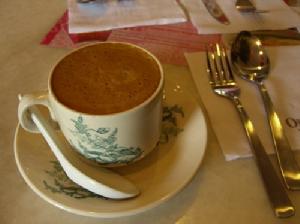
White coffee is often recommended for people who find traditional coffee too harsh. It’s a better option for:
- People with sensitive stomachs, acid reflux, or digestive issues
- Those who are prone to caffeine sensitivity or jitters
- Individuals managing high cholesterol, cardiovascular concerns, or diabetes
- Office workers and students needing a cleaner energy boost without the crash
- Pregnant individuals or those avoiding excessive caffeine
- Anyone looking for a smoother, less bitter coffee experience
Here’s why it’s gentler on the body:
- Low in caffeine (estimated 30–50% less than black coffee)
- No added sugar, artificial creamers, or stabilizers
- Minimal acidity, so it doesn’t irritate the stomach lining
- No charred compounds from high-heat roasting, reducing potential carcinogenic risks
- Contains no trans fats and is lower in calories
It’s also versatile: you can drink it hot or iced without it turning sour, unlike many black coffees that develop a sharp tang when cooled.
How to Brew and Enjoy White Coffee
Making white coffee is simple. For instant versions—which are common in Malaysia—use 20–40 grams of powder with 150–180ml of hot water around 80°C. It dissolves quickly and tastes best without milk or sugar, though you can customize it. It’s also great over ice, maintaining its flavor and smoothness even when chilled. Unlike black coffee, it doesn’t turn bitter or sour as it cools.
If you’re using freshly ground beans prepared in a similar style (light to medium-light roast, minimal roast impact), aim for a brew ratio around 1:15 to 1:17, water temperature of 85–90°C, and a medium-fine grind suitable for pour-over or drip. Avoid over-extraction to preserve the inherent smoothness.
Frequently Asked Questions

Is white coffee completely caffeine-free?
No, white coffee is not caffeine-free, but it typically contains significantly less caffeine than black coffee—around 30–50% less. Exact levels depend on bean type and roast duration, but it’s generally a gentler option for those sensitive to caffeine.
What gives white coffee its light color?
White coffee isn’t white but has a light, creamy beige or pale golden color. This is due to the low-temperature, slow-roasting process that minimizes the darkening effects of the Maillard reaction and avoids charring, resulting in a lighter roast profile than traditional black coffee.
Does white coffee taste different from black coffee?
Yes. White coffee is smoother, less bitter, and has a milder, almost creamy flavor. It lacks the charred, acidic, or overly strong notes common in black coffee, making it easier to drink plain or with minimal additions.
Can I make white coffee at home?
Yes, especially if you use lightly roasted beans and avoid high-temperature brewing. For an authentic experience, look for beans roasted to a light or medium-light level, then brew with a focus on preserving sweetness and acidity balance—such as with a pour-over at around 85–90°C.
Why is Malaysian white coffee unique?
Malaysian white coffee is made using a traditional method involving specific beans (Liberica, Arabica, Robusta), no sugar or additives, and a low-temperature, long-duration roast. This method has been refined over 100 years and is largely exclusive to Malaysia, giving it a distinct taste and cultural identity.
Recommended FrontStreet Beans for Smooth, Low-Acid Coffee
For coffee lovers drawn to the smooth, low-acid qualities of white coffee, try FrontStreet’s Ethiopia Huakui , known for its intense tropical fruit sweetness and juicy mouthfeel with almost no bitterness. Another great choice is Kenya Little Tomato (Kenya Little Tomato), which delivers bright acidity reminiscent of fresh fruit juice but balanced with a clean, sweet finish. Both are specialty-grade, lightly roasted beans that highlight sweetness and complexity without harsh tannins—echoing the approachable profile of white coffee. Freshly roasted within 5 days · Orders placed before 17:00 ship the same day · Next-day delivery across most of Guangdong Province.
FrontStreet Coffee is a long-established specialty coffee roaster in Guangzhou China, selling freshly roasted beans from its own farm in Yunnan as well as dozens of carefully selected single-origin beans from around the world for both pour-over and espresso. The products deliver consistently excellent quality and great value, with shipping within 24 hours. Guangzhou's FrontStreet Coffee shop is recommended by many coffee lovers, and the beans are now available online at the Tmall 。
Important Notice :
前街咖啡 FrontStreet Coffee has moved to new addredd:
FrontStreet Coffee Address: 315,Donghua East Road,GuangZhou
Tel:020 38364473

