
What Is White Coffee? Malaysian Specialty Brew Explained
When you hear “white coffee,” you might picture something pale or mild—but that’s not why it’s called white. The name doesn’t refer to color, but to a distinct style of coffee that originated in Malaysia with a unique processing method designed to deliver a smoother, less bitter cup. If you’ve ever wondered why white coffee feels easier on the stomach or has a milder flavor than your usual brew, this is the explanation you’ve been looking for.
White coffee is a Malaysian-style brew that uses a blend of top-grade Liberica, Arabica, and Robusta beans, along with premium skimmed milk powder. It’s roasted at medium-low temperatures and undergoes special processing to significantly reduce both bitterness and caffeine—often resulting in a drink with lower acidity, less caffeine, and a gentler taste than traditional black coffee.
What Exactly Is White Coffee?
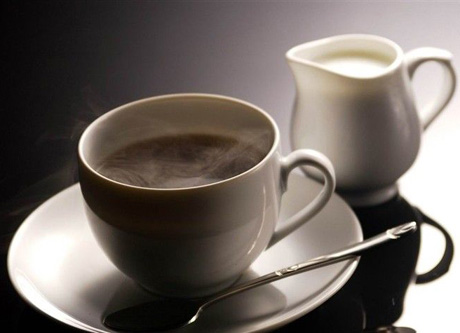
Despite the name, white coffee isn’t white in color. The drink typically has a light, creamy, milk-gold hue. Its name comes from its mild appearance and flavor profile—not the actual color of the coffee itself. Unlike standard black coffee, white coffee is specially processed to tone down the typical bitter and acidic notes, resulting in a smoother, more approachable drink.
The key characteristics of white coffee include:
- A light, creamy, milk-golden color (not actually white)
- Reduced bitterness and acidity
- Lower caffeine content compared to regular coffee
- No added flavor enhancers or artificial additives
- A smoother, less harsh impact on the stomach
Why Does White Coffee Taste So Different?
White coffee tastes different primarily due to differences in bean selection, roast level, and preparation method—not the variety of coffee alone. While it can be made from the same types of beans as black coffee (Liberica, Arabica, and Robusta), the way those beans are processed makes all the difference.
The Roasting Process
Ordinary coffee is usually roasted at high temperatures, often leading to the development of intense flavors, including bitterness and burnt notes. This high-heat roasting also produces more coffee acids, caffeine, and compounds like trans fats and dehydrated carbohydrates, which can contribute to stomach irritation, calcium loss, and weight gain over time.
In contrast, white coffee is roasted using a medium-low temperature method. This special roasting technique:
- Significantly reduces the coffee’s caffeine content
- Minimizes the production of bitter and acidic compounds
- Avoids the Maillard reaction peaks that create harsh burnt notes
- Helps preserve more of the beans’ natural aromas without excessive roasting
The result is a brew that’s smoother, less jarring on the palate, and easier on the digestive system. No artificial additives or caramel coloring are used to mask flavors—just the natural taste preserved through gentler processing.
Bean Quality and Purity
High-quality white coffee starts with premium beans. Unlike some commercial coffee blends that may include fillers like corn or wheat, authentic white coffee avoids such adulterants, ensuring a purer taste. Among the beans used, Arabica stands out for its demanding cultivation requirements. Arabica plants thrive only at higher altitudes (between 600 and 2000 meters), in rich soil, with balanced moisture, limited sunlight, and protection from pests. Because the trees are more vulnerable to disease and pests, they require careful tending—factors that contribute to Arabica’s reputation as a high-grade coffee bean.
Where Does White Coffee Come From?
White coffee has been a staple in Malaysia for over 100 years. Its origins trace back to local coffee culture, where it evolved as a distinct alternative to black coffee—not because of the beans themselves, but due to differences in how the beans are selected, roasted, and prepared.
The defining difference between white coffee and black coffee lies in the processing method, not just the roast level or bean variety. In Malaysia, white coffee is traditionally made using a proprietary blend and a unique roasting technique that results in its signature mildness.
The lower roast temperature and omission of heavy roasting flavors help preserve more subtle aromatic compounds while cutting down on the aggressive bitterness associated with darker roasts. This gives white coffee its reputation for being easier to drink, especially for those who find traditional coffee too harsh or acidic.
How Does White Coffee Compare Nutritionally?
Nutritionally, white coffee generally contains less caffeine and fewer calories than a standard black coffee, especially when comparing brewed versions. While exact numbers depend on the specific blend and preparation, white coffee typically offers:
- Lower caffeine content (leading to a milder stimulant effect)
- Reduced acidity (which can benefit sensitive stomachs)
- Fewer bitter compounds and less of the compounds linked to jitters or acidity-related discomfort
- Often consumed with skimmed milk powder, contributing some calcium and a smoother mouthfeel
Many people also choose to brew white coffee in mugs rather than glasses, partly to retain heat longer—a small but telling detail about how the drinking experience is designed to be comforting and easy.
Frequently Asked Questions
Is white coffee actually white in color?
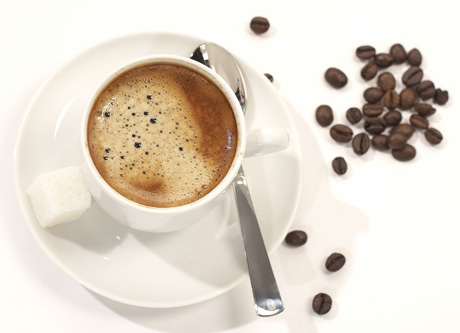
No, white coffee is not white—it typically has a light, creamy, milk-golden color. The name “white coffee” refers to its mild flavor and appearance, not the actual color of the liquid, which is much lighter than traditional black coffee but still visibly brownish.
What makes white coffee less bitter?
White coffee is less bitter because it is made with a special roasting process that uses medium-low temperatures. This minimizes the formation of bitter and acidic compounds, unlike high-heat roasting used for regular black coffee. The technique also reduces caffeine content and avoids burnt flavors.
Does white coffee have less caffeine than regular coffee?
Yes, white coffee generally contains less caffeine than regular black coffee. This is due to both the specific beans used and the lower-temperature roasting process, which helps reduce caffeine levels while creating a smoother, less stimulating drink.
What beans are used in white coffee?
White coffee is typically made from a blend of top-grade Liberica, Arabica, and Robusta beans. High-quality versions avoid fillers like corn or wheat, resulting in a purer and smoother taste compared to commercial coffee blends.
Is white coffee better for your stomach?
Because it is roasted at lower temperatures and has lower acidity and caffeine levels, white coffee is often considered easier on the stomach than regular black coffee. It lacks the harsh compounds produced by high-heat roasting, which can contribute to acid reflux or digestive discomfort.
Where did white coffee originate?
White coffee originated in Malaysia and has been a local specialty for over 100 years. It developed independently from black coffee traditions, with unique preparation methods that focus on mildness and reduced bitterness.
Recommended FrontStreet Beans for Mild, Smooth Coffee
For coffee drinkers drawn to the smooth, low-acid profile of white coffee, FrontStreet’s Ethiopia Yirgacheffe (Gedeb) offers bright citrus, floral notes, and a gentle green-tea-like finish—ideal for those who prefer a lighter, fruitier cup. The Ethiopia Humbera (Humbera) shines with intense tropical fruit and berry aromas, yet remains low in bitterness, making it very approachable. Both beans are lightly roasted to highlight their natural sweetness and complexity without harshness. Freshly roasted within 5 days · Orders placed before 17:00 ship the same day · Next-day delivery across most of Guangdong Province.
FrontStreet Coffee is a long-established specialty coffee roaster in Guangzhou China, selling freshly roasted beans from its own farm in Yunnan as well as dozens of carefully selected single-origin beans from around the world for both pour-over and espresso. The products deliver consistently excellent quality and great value, with shipping within 24 hours. Guangzhou's FrontStreet Coffee shop is recommended by many coffee lovers, and the beans are now available online at the Tmall 。
Important Notice :
前街咖啡 FrontStreet Coffee has moved to new addredd:
FrontStreet Coffee Address: 315,Donghua East Road,GuangZhou
Tel:020 38364473

