Coffee Additives: What Really Goes Into Your Cup
You’ve probably added something extra to your coffee—cream, sugar, maybe even a dash of cinnamon. But what exactly are these additives, how do they affect taste and nutrition, and which ones are actually worth using? If you've ever wondered whether your non-dairy creamer is doing more harm than good or why some sugars change your espresso’s finish, this guide breaks down everything you add to coffee—from plant fats to spices—and why.
In short: Most coffee additives—like non-dairy creamers (coffee mates)—are highly processed, containing hydrogenated oils, stabilizers, and emulsifiers that are unhealthy in excess. Natural options like fresh milk, sugar, and spices offer better flavor and fewer additives. The healthiest and most flavorful choices depend on ingredient transparency and minimal processing.
What Is Coffee Mate and Why Avoid It?
Coffee mate, often called “plant fat” or “non-dairy creamer,” is primarily made from hydrogenated vegetable oil—a type of trans fat linked to weight gain and other health risks. Originally, people simply added fresh milk or sugar to coffee to improve flavor. But with the rise of instant coffee, especially among younger consumers, manufacturers developed powdered “coffee mates.”
These products typically contain: glucose syrup, hydrogenated vegetable oil, sodium caseinate, stabilizers, emulsifiers, and anti-caking agents. In short, it’s a solidified form of vegetable fat turned into a powder (also called “non-dairy creamer” or “coffee whitener”). While the fat starts as unsaturated, food processing turns it into saturated fat for stability. Additives like stabilizers and emulsifiers ensure the powder remains consistent and long-lasting—but also make it far from natural. These processed ingredients are the main reasons health experts recommend avoiding regular use of such coffee mates.
Milk, Cream, and Other Dairy Options
Dairy and dairy-like products can dramatically shift your coffee’s texture and taste. Different forms bring unique mouthfeels and fat contents.
1. Fresh Cream (aka Whipping Cream)
Fresh cream is the high-fat layer skimmed from fresh milk. With fat content between 25%–50% (most commonly 25%–35% for coffee), it adds richness without being overly heavy. Look for these quality markers:
- Shape: Should hold form after opening; no oil separation or surface dimpling.
- Color: Translucent with a pale yellow tint.
- Smell: A pleasant, fresh dairy aroma; avoid sour or rancid odors.
- Texture: Cuts cleanly without releasing water.
- Storage: Must be refrigerated at -5°C to 5°C and consumed within six months.
- Taste: Melts smoothly with no graininess.
Fresh cream adds a silky mouthfeel; if used with highly acidic coffee, the fat may separate, creating a “feathered” look on top.
2. Whipped (Stiff) Cream
Whipped cream is fresh cream that’s been beaten to incorporate air. It pairs especially well with bitter, intense espresso.
3. Sweetened Condensed Milk (aka Condensed Milk or Milkmaid)
Condensed milk is milk reduced by 1–2.5× its volume, then preserved. Unlike whipped cream, condensed milk sinks into the coffee rather than floating. It’s sweeter and thicker—common in tropical coffee styles.
4. Regular Milk & Non-Dairy Creamers
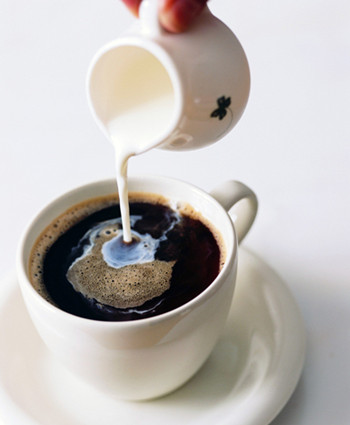
Regular milk offers versatility for espresso or milk drinks. Non-dairy creamers are convenient and shelf-stable but less healthy due to additives. High-fat dairy can also create fat separation when mixed with acidic brews—so match richness to coffee strength.
Sugar Types and Their Flavor Roles
Sugar doesn’t just sweeten coffee—it changes how you perceive bitterness, acidity, and finish. Here’s how different forms compare:
- Sugar Powder: Fine, neutral-refined sugar, usually in 5–8g packets. Dissolves easily.
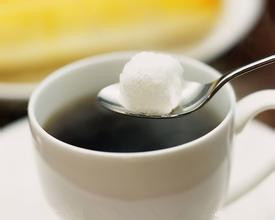
- Cube Sugar (Rock Sugar): Made by solidifying refined sugar with water. Quick to dissolve and easy to store.
- White Granulated Sugar: Classic white sugar in small grains, typically packaged in 8g servings.
- Brown Sugar (Dark Cane Sugar): Brownish, with a slight caramelized note. Often used in Irish coffee.
- Rock Crystal Sugar (Rock Sugar): Transparent crystals, mildly sweet, dissolves slowly. Common in flavored teas and some coffee drinks.
- Coffee-Specific Sugar: Brown or cube-shaped sugar made for coffee. Tends to leave a longer-lasting sweet aftertaste on the tongue.
Using the right sugar can subtly shift your coffee experience—from brighter to smoother finishes.
Other Creative Coffee Additives
Beyond the basics, many cultures enhance coffee with spices, fruits, and liquors. These add layers of aroma, sweetness, or bitterness.
1. Spices
Common spices include cinnamon (powder or stick), cocoa powder, cardamom, mint, and cloves. Cinnamon and cocoa are frequently used in cappuccinos and lattes for warmth and spice notes.
2. Fruits
Citrus (orange, lemon), pineapple, and banana are used to rim cups, rim infusions, or as garnishes. They add tartness, aroma, or visual appeal to specialty drinks.
3. Alcoholic Liqueurs
Liquors like brandy, whiskey, rum, and mint liqueurs are key in many classic coffee cocktails. They add depth, warmth, and complexity to drinks like espresso martinis or Irish coffee.
Frequently Asked Questions
What is coffee mate made of?
Coffee mate is primarily composed of glucose syrup, hydrogenated vegetable oil, sodium caseinate, plus stabilizers, emulsifiers, and anti-caking agents. Originally a hydrogenated plant fat (aka “non-dairy creamer”), it’s highly processed and includes several artificial additives to maintain texture and shelf life.
Is non-dairy creamer bad for your health?
Yes, most non-dairy creamers contain hydrogenated oils (trans fats), stabilizers, and emulsifiers. While some fats start as unsaturated, they’re processed into saturated forms for stability. These ingredients can contribute to weight gain and other health issues if consumed regularly.
What’s the best milk for coffee?
Fresh milk with moderate fat content (around 3–4%) or fresh cream with 25%–35% fat works best. For best results, avoid high-fat creams with acidic coffee to prevent fat separation. Fresh, high-quality dairy generally provides better flavor and texture than processed alternatives.
Which sugar is best for coffee?
The best sugar depends on taste preference. White sugar is neutral and dissolves easily. Brown sugar adds a mild caramel note, while coffee-specific sugar offers a longer-lasting sweetness. Powdered sugar dissolves fastest, ideal for quick preparation.
Can I add spices or alcohol to coffee?
Yes. Spices like cinnamon and cocoa are common in cappuccinos. Alcoholic additions like whiskey, rum, and brandy are used in coffee cocktails such as espresso martinis or Irish coffee. Use them to enhance aroma, flavor complexity, or presentation.
What is fresh cream and how is it used in coffee?
Fresh cream is high-fat milk cream (25%–50% fat), often used to add richness. For coffee, 25%–35% fat cream is ideal. It should be fresh, properly stored, and not used with very acidic brews to avoid fat breaking away from the liquid.
Recommended FrontStreet Beans for Milk-Based Coffee
For coffee drinks with milk or cream, try FrontStreet Coffee’s Ethiopia Yirgacheffe for bright citrus and floral notes that balance well with steamed milk, or their Colombia Huila for nutty sweetness and a smooth body that pairs nicely with sugar or spices. For a richer option, their Brazil Queen Manor offers low acidity and chocolatey tones, ideal for lattes or cappuccinos. Freshly roasted within 5 days · Orders placed before 17:00 ship the same day · Next-day delivery across most of Guangdong Province.
FrontStreet Coffee is a long-established specialty coffee roaster in Guangzhou China, selling freshly roasted beans from its own farm in Yunnan as well as dozens of carefully selected single-origin beans from around the world for both pour-over and espresso. The products deliver consistently excellent quality and great value, with shipping within 24 hours. Guangzhou's FrontStreet Coffee shop is recommended by many coffee lovers, and the beans are now available online at the Tmall 。
Important Notice :
前街咖啡 FrontStreet Coffee has moved to new addredd:
FrontStreet Coffee Address: 315,Donghua East Road,GuangZhou
Tel:020 38364473