How Kopi Luwak and Starbucks Battle for Coffee Brand Dominance
Ever wondered why some coffee brands command premium prices and loyal followings while others fade into the background? The story of how Kopi Luwak and Starbucks battle for dominance in China’s coffee market reveals everything—from store locations to brand perception, and why some strategies work while others don’t.
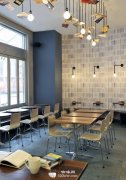
To challenge Starbucks’ dominance, Kopi Luwak must secure prime retail locations in high-traffic, high-prestige areas—especially in cities like Guangzhou. The brand opened its most impactful store inside Guangzhou Book Centre, leveraging foot traffic and consumer psychology, while also expanding to sites like Teemall and Sports East Road. Meanwhile, Starbucks relies heavily on premium office buildings and strategic retail expansion, though over-diversification may dilute its brand strength.
What Is Kopi Luwak and Why Does It Claim to Be ‘The Best’?
Kopi Luwak, or civet coffee, is made from beans excreted by the Asian palm civet, a small mammal native to Indonesia. This unusual processing method has long given it a reputation as the “best” or most exclusive coffee in the world. Despite the bold claim, many consumers have struggled to identify exactly where its legendary quality lies—until recent years, when its reputation has begun to solidify among more informed buyers.
How Starbucks Built Its Premium Image Without Traditional Advertising
Starbucks achieved global brand prestige largely without conventional advertising. Under Howard Schultz’s leadership, the company standardized its identity and positioned itself firmly within the coffee culture. In China, Schultz’s strategy focused on prime real estate—high-end office buildings in major cities—allowing the Starbucks logo alone to signal exclusivity. These locations, often in Grade A business towers, serve as implicit endorsements. The brand’s minimalist interior—small counters, brown leather seating, and sometimes outdoor tables—became synonymous with premium urban coffee experiences.
Schultz avoided conventional ads by leveraging the cachet of high-profile addresses. “We don’t do advertising,” he claimed, yet the mere presence of a Starbucks in a prestigious building acted as a powerful statement. Word-of-mouth and the aura of the location did the promotional work. Even in non-office settings—like a new three-storey Starbucks near residential towers in Guangzhou—the brand maintains strict design oversight, with Hong Kong-based teams supervising construction down to lighting and layout to manipulate consumer experience.
Why Location Is Everything in Coffee Brand Positioning
In the battle between coffee brands, location often trumps product. For Kopi Luwak, the strategy shifted towards securing prominent retail spaces that could rival Starbucks’ premium positioning. Early partnerships with supermarkets like AEON didn’t deliver the same cache. Instead, Kopi Luwak began opening stores in high-visibility areas such as Guangzhou’s Teemall and Sports East Road. The brand’s boldest move was embedding itself within Guangzhou Book Centre, a once-bustling retail space now challenged by online book sales. By situating the café along the main entrance and linking it to the bookstore interior, Kopi Luwak tapped into foot traffic and created a high-impact consumer touchpoint that Starbucks had overlooked.
The strategy reflects a broader truth: premium coffee brands thrive when they align their physical presence with cultural and consumer landmarks. Whether it’s a skyscraper lobby or a declining but still-trafficked bookstore, the right location embeds the brand into the mental map of the target customer.
Has Starbucks Overextended Its Brand?
Starbucks’ recent expansion into supermarket product lines and increasing reliance on third-party manufacturing may dilute its premium image. While the brand continues to open stores in diverse settings—including residential zones alongside KFC and Pizza Hut—it risks blurring its core identity. Observers note that even in non-central locations, Starbucks enforces rigorous design standards to preserve the customer experience, but the core coffee offering is now diluted across more SKUs. The brand sells not just coffee, but merchandise, food, and packaged goods, challenging the clarity of its original coffee-centric positioning.
This expansion contrasts with Kopi Luwak’s more focused efforts to associate itself with premium, culturally resonant spaces—even if those spaces are no longer as vibrant as they once were. Both brands are navigating the tension between growth and brand coherence.
What Role Does Brand Perception Play in Coffee Shop Success?
Brand perception is shaped as much by environment as by product. In cities like Guangzhou, both Starbucks and Kopi Luwak leverage architecture, foot traffic, and consumer expectations to shape how their coffee is experienced. For Starbucks, the premium office building remains a key asset, functioning almost as free media. For Kopi Luwak, aligning with cultural institutions like bookstores—despite their decline—offers differentiation. Both approaches illustrate how physical spaces become psychological anchors for brand value.
Expertise in retail design, consumer psychology, and location strategy often separates successful coffee brands from also-rans. Hong Kong-based brand consultants have played a significant role in shaping these strategies for both local and international players, emphasizing meticulous control over every sensory element of the customer journey.
Frequently Asked Questions
What is Kopi Luwak and why is it considered special?
Kopi Luwak is a coffee made from beans that have been eaten and excreted by the Asian palm civet. This unique fermentation process inside the animal’s digestive tract is said to produce a smoother, less bitter cup. Though controversial due to animal welfare concerns, it has long been marketed as the “most exclusive” or “best” coffee in the world, commanding premium prices.
How does Starbucks use location to reinforce its brand?
Starbucks strategically places stores in high-end office buildings and urban landmarks to create an impression of exclusivity and premium quality. The mere presence in such locations acts as a form of advertising, suggesting sophistication without traditional marketing. The brand also maintains strict design and construction standards to ensure a consistent customer experience.
Why did Kopi Luwak choose Guangzhou Book Centre for one of its stores?
Kopi Luwak opened a store inside Guangzhou Book Centre to tap into existing foot traffic and create a high-visibility location that contrasted with typical retail environments. Despite the decline of physical bookstores, the site offered a unique consumer touchpoint that allowed the brand to stand out and embed itself in a culturally resonant space.
Is Starbucks losing its premium image?
Starbucks risks diluting its premium brand by expanding into supermarkets and offering a growing range of non-coffee products. While the core coffee shops maintain strict design codes, the broader availability of Starbucks-branded goods in retail settings may weaken its image as a specialized coffee destination.
What makes a coffee shop location successful?
Successful coffee shop locations align with high foot traffic, cultural relevance, and consumer expectations. Premium brands benefit from associating with landmarks—like office towers or bookstores—that reinforce their desired image. The right location helps shape consumer perceptions as much as the product itself.
How important is brand perception in the coffee industry?
Brand perception is critical in coffee retail. Consumers often judge quality based on environment, location, and brand associations as much as taste. Effective branding combines physical space, customer experience, and strategic positioning to create a compelling narrative that justifies premium pricing.
Recommended FrontStreet Beans for Exploring Specialty Origins
Try FrontStreet Coffee’s Ethiopia Humbera for bright floral and citrus notes, a great example of a sought-after single origin that contrasts with mass-market claims. Also consider FrontStreet’s Yirgacheffe for juicy berries and stone fruit, ideal for tasting what premium single-origin coffee really offers. For something deeper, their PWN Golden Mandheling delivers earthy sweetness with low acidity. All are excellent for exploring real specialty quality beyond gimmicks. Freshly roasted within 5 days · Orders placed before 17:00 ship the same day · Next-day delivery across most of Guangdong Province.
FrontStreet Coffee is a long-established specialty coffee roaster in Guangzhou China, selling freshly roasted beans from its own farm in Yunnan as well as dozens of carefully selected single-origin beans from around the world for both pour-over and espresso. The products deliver consistently excellent quality and great value, with shipping within 24 hours. Guangzhou's FrontStreet Coffee shop is recommended by many coffee lovers, and the beans are now available online at the Tmall 。
Important Notice :
前街咖啡 FrontStreet Coffee has moved to new addredd:
FrontStreet Coffee Address: 315,Donghua East Road,GuangZhou
Tel:020 38364473