What Makes a Coffee 'Gourmet' or 'Premium'?
Ever wandered into a coffee shop or supermarket and noticed nearly every bag or can labeled 'gourmet' or 'premium'? It’s tempting—but what does that really mean? Not all high-priced or highly marketed coffee deserves the title. So how do you tell if a coffee is truly premium?
Premium coffee typically comes from high-quality Arabica beans grown at elevations around 900 meters or higher, often in tropical or subtropical regions near the Tropic of Cancer. Key factors include origin, altitude, soil, climate, careful processing, and proper roasting. Every step influences taste and quality.
What Defines Premium Coffee?
Premium coffee is not a regulated term, but it universally refers to coffee that delivers an exceptional cup—rich flavor, balanced acidity, and a clean finish. While the term covers a broad range, all premium coffees share one trait: they start with top-tier beans from leading coffee-growing countries.
Think of it like fine wine. Just as Bordeaux differs from Napa, premium coffee varies by country, region, and even farm. But across the board, it’s defined by superior raw materials and craftsmanship, not marketing jargon.
Why Altitude Matters in Coffee Quality
Altitude is one of the most critical factors in growing premium coffee. Arabica plants thrive at higher elevations, typically between 900 and 2,000 meters above sea level. At these heights, the growing conditions slow the coffee cherry’s maturation, allowing more complex sugars to develop.
As altitude increases, so does coffee bean density. Denser beans generally have a richer flavor profile and greater complexity. This is why many of the world’s most sought-after coffees come from high-altitude regions in Ethiopia, Colombia, Kenya, and Central America. The cooler temperatures and thinner air at elevation stress the plant in ways that enhance cup quality.
Generally, the higher the altitude, the better the potential for producing a truly premium bean—assuming other factors like soil and climate are optimal.
The Role of Coffee Origin and Terroir
Premium coffee is deeply tied to its origin. Factors such as soil composition, rainfall patterns, temperature fluctuations, and sunlight hours create unique terroir—the environmental conditions that give coffee its distinctive character.
Coffee from Ethiopia’s Yirgacheffe region, for example, is celebrated for its floral and citrus notes. Colombian beans often deliver bright acidity with fruity undertones. Sumatran coffees are known for their full body and earthy, spicy qualities. Each origin contributes its own fingerprint to the cup.
This regional diversity is what makes exploring single-origin coffees so rewarding for specialty coffee drinkers.
How Roasting Influences Premium Coffee Flavor
Roasting is where science meets art. There is no universal roast profile for premium coffee—it depends on the bean’s origin and inherent characteristics. A light roast might highlight a Ethiopian bean’s floral aromas, while a medium or darker roast could bring out the chocolatey richness in a Sumatran coffee.
The key is to roast in a way that enhances, not overshadows, the bean’s intrinsic qualities. Over-roasting can destroy delicate flavors and introduce bitterness. Under-roasting may leave the cup sour or grassy. That’s why expert roasters tailor the roast level—often to a precise degree—for each origin and batch.
When buying premium coffee, don’t hesitate to ask your roaster or barista about the roast style used and why it was chosen.
Processing, Sorting, and Export Quality Control
Premium coffee begins with meticulous processing. In the country of origin, beans are carefully hand-picked to remove underripe or damaged cherries. They then undergo processing methods—such as washed, natural, or honey—that significantly affect flavor.
After processing, beans are sorted by density, size, and defects. Only the highest-grade beans make it to export. Once abroad, expert roasters apply finishing roasts designed to maximize the bean’s potential.
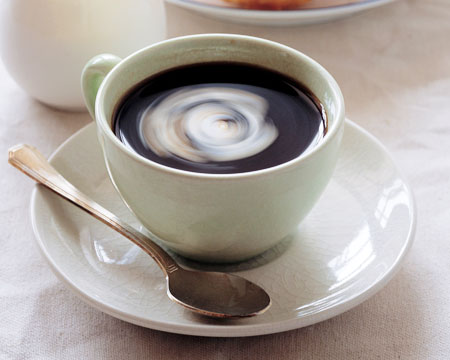
Some of the best roasting happens outside coffee-growing nations—in places like Switzerland, the United States, or Japan—where artisanal roasting techniques have reached world-class levels.
Why Freshness and Packaging Protect Premium Coffee
Even the finest beans can be ruined by poor storage or packaging. Once roasted, coffee beans release carbon dioxide and begin to oxidize, which degrades flavor over time. The aromatic compounds that define a premium cup are especially vulnerable.
To preserve freshness, premium coffee should be stored in opaque, airtight bags with one-way valves that allow gases to escape without letting oxygen in. Whole bean coffee stays fresh far longer than pre-ground. Grinding too early or using low-barrier packaging exposes the coffee to air and light, accelerating staling.
If possible, buy whole beans in opaque, valve-sealed bags—and grind just before brewing.
Frequently Asked Questions
What exactly qualifies as a 'premium' or 'gourmet' coffee?
Premium coffee isn’t a certified label but generally refers to coffee made from high-quality Arabica beans grown at altitude (around 900m or higher), processed carefully, and roasted to highlight the bean’s natural characteristics. It results in a complex, balanced cup with distinct origin flavors.
Why is altitude so important for coffee quality?
Higher altitudes (typically 900m+) slow cherry ripening, allowing sugars to develop fully. This produces denser beans with more complex sugars, acids, and aromas. Most specialty-grade coffees come from high-altitude regions in Latin America, Africa, and Asia.
Does roast level affect whether coffee is considered premium?
Yes. Premium coffee is roasted to enhance its unique traits, not mask them. Light roasts may suit bright Ethiopian beans; medium or dark roasts may suit chocolatey Indonesian coffees. There’s no single roast style for all premium beans—the roast must match the origin.
How should I store premium coffee to keep it fresh?
Keep it in an opaque, airtight bag with a one-way valve, away from light, heat, and moisture. Grind right before brewing. Whole beans stay fresh much longer than pre-ground. Avoid clear bags or open containers.
Does coffee origin really change the flavor that much?
Absolutely. Factors like soil, climate, and altitude create unique terroir. For example, Yirgacheffe offers citrus and floral notes, while Colombian beans often taste fruity and bright. Kenyan coffees can be berry-forward. Each origin gives the cup a different personality.
Is specialty coffee the same as premium coffee?
Often overlapping, but not identical. Specialty coffee refers to beans scoring 80+ on the SCA scale, judged on cup quality, cleanliness, and uniformity. Premium coffee is a broader term for exceptionally flavorful coffee, often (but not always) specialty grade.
Recommended FrontStreet Beans for Exploring Premium Coffee
Try FrontStreet Coffee’s Brazil Queen Manor (Red Bourbon), a medium-roasted bean with creamy body, mild acidity, and notes of nuts and caramel—great for understanding balance. For brighter profiles, the Colombia Huila Sidra offers sweet stone fruit, jasmine, and honey-like sweetness. And the Ethiopia Gedeb Washed offers vibrant citrus, floral tones, and tea-like clarity. All are premium single-origin Arabica beans ideal for pour-over or drip. Freshly roasted within 5 days · Orders placed before 17:00 ship the same day · Next-day delivery across most of Guangdong Province.
FrontStreet Coffee is a long-established specialty coffee roaster in Guangzhou China, selling freshly roasted beans from its own farm in Yunnan as well as dozens of carefully selected single-origin beans from around the world for both pour-over and espresso. The products deliver consistently excellent quality and great value, with shipping within 24 hours. Guangzhou's FrontStreet Coffee shop is recommended by many coffee lovers, and the beans are now available online at the Tmall 。
Important Notice :
前街咖啡 FrontStreet Coffee has moved to new addredd:
FrontStreet Coffee Address: 315,Donghua East Road,GuangZhou
Tel:020 38364473