How to Brew Coffee with a BODUM-Style French Press
If your French press coffee tastes overly bitter, gritty, or weak, the issue likely lies in one—or several—key variables: grind size, brew time, water temperature, or coffee-to-water ratio. Many coffee drinkers assume the French press is foolproof, but even minor missteps can lead to disappointing results. The good news? With the right technique, it’s one of the simplest ways to brew rich, full-bodied coffee at home.
For the best results with a French press (or BODUM-style press), use a coarse grind similar to granulated sugar, a 1:15 coffee-to-water ratio, water just off boil (around 90°C), and steep for 4 minutes. This setup balances extraction and minimizes unwanted sediment or over-extraction.
What Makes French Press Coffee Unique?
The French press is an immersion brewer fitted with a metal mesh filter. Unlike paper filters used in pour-over methods, the metal filter allows natural coffee oils and fine particles to pass into the cup. This results in a heavier mouthfeel and more pronounced body, but can also let through more sediment if the grind is too fine or the filter isn’t cleaned properly.
Why Grind Size and Filter Type Matter
Because the coffee grounds steep directly in hot water, a grind that’s too fine can cause over-extraction and allow coffee fines to slip through the metal filter, leaving your cup muddy. The ideal grind for French press is coarse—about the texture of coarse sugar or small gravel. For reference, on an EK43 electric grinder, that’s around setting 10.5; on a hand grinder, aim for setting 26. Avoid going finer unless you’re intentionally chasing more complexity and can accept slightly more sediment.
Best Coffee Beans for French Press
Since French press emphasizes body and richer tones, medium to dark roasts tend to perform better. Light roasts can taste overly bright or acidic in this method. At FrontStreet Coffee, the PWN Golden Mandheling SOE is a great match—this Indonesian single origin, triple-handpicked and medium-dark roasted, delivers bold notes of spice, dark chocolate, and caramel with a thick, velvety crema. Alternatively, the Strawberry Candy Espresso, a custom Geisha-honey processed blend from Costa Rica and Panama, offers fruity and floral layers that still hold up well under immersion. Both beans showcase the French press’s ability to highlight sweetness and body.
How to Use a French Press Step by Step
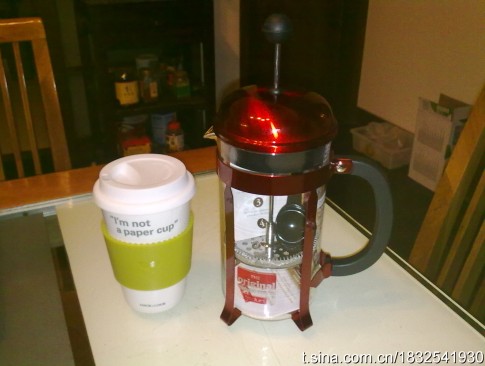
Start by removing the plunger and adding 15 grams of coarse-ground coffee per 225 grams (225ml) of water—a 1:15 brew ratio. Pour hot water (just off boil, ideally around 90°C) over the grounds, then stir gently to ensure even saturation. Place the plunger back on top without pressing down, and let the coffee steep for 4 minutes. After the time is up, slowly press the plunger down to separate the grounds, then pour the coffee into your cup—avoid tipping and disturbing the settled grounds at the bottom to keep your cup free of sludge.
Brew Ratio: Getting the Strength Right
The standard starting point for French press is 1 gram of coffee to 15 grams (millilitres) of water—that’s roughly 15g coffee to 225g water. This yields a brew strength in the range of 1.1–1.2% TDS, producing a rich and full-bodied cup. Adjust up or down depending on taste preference, but keep the ratio consistent for predictable results.
Water Temperature: Control Your Extraction
Without precise temperature control, let boiled water sit for 2–3 minutes before pouring—this usually brings it to around 90°C, ideal for French press. If you’re aiming for more clarity or adjusting for roast level, using a gooseneck kettle with a built-in thermometer helps. Compared to pour-over, French press benefits slightly from a higher brewing temperature due to the lack of agitation during the steep, so going 1–2°C above your typical pour-over temp can help boost extraction.
Steeping Time: Balance Extraction and Avoid Over-Brewing
Most French press brewing happens in 3 to 5 minutes. Darker roasts may turn bitter or oily if left too long—stick closer to 4 minutes, or even 3:30 for very dark roasts. Lighter roasts might need the full 4–5 minutes to fully express their flavours. Four minutes is the most reliable starting point for balanced results across most roast levels.
Common Mistakes to Avoid
- Using a grind that’s too fine—it causes over-extraction and sludgy coffee.
- Not stirring after pouring water—leads to uneven extraction.
- Pressing the plunger too hard or too fast—can over-extract and push fines through.
- Letting coffee sit in the press after pressing—leads to over-steeping and bitterness.
- Using water that’s too hot—can scorch the coffee, especially with light roasts.
Frequently Asked Questions
What is the ideal grind size for a French press?
The best grind size for French press is coarse—similar to granulated sugar or small gravel. On an EK43 grinder, use setting 10.5; on a hand grinder, aim for setting 26. This prevents over-extraction and minimizes fine particles passing through the metal filter.
What coffee-to-water ratio should I use for French press?
Use a 1:15 brew ratio—that’s 1 gram of coffee to 15 grams (millilitres) of water. For example, 15 grams of coffee to 225 grams (ml) of water. This ratio produces a balanced cup with good strength and body, typically in the 1.1–1.2% TDS range.
What water temperature is best for French press brewing?
Ideal water temperature is around 90°C. If you don’t have a thermometer, let boiling water sit for 2–3 minutes before pouring. You can go slightly higher (1–2°C) than your usual pour-over temperature to compensate for the lack of agitation.
How long should I steep coffee in a French press?
Steep for 4 minutes for balanced results. Darker roasts can go as short as 3–3:30 minutes to avoid bitterness, while lighter roasts may need up to 5 minutes to fully develop flavour. Start with 4 minutes and adjust based on roast and taste preference.
Can I use light roast coffee in a French press?
You can, but light roasts often taste overly bright or acidic in a French press. The method favours medium to dark roasts that express body, sweetness, and richer flavours like caramel, chocolate, and spice. If using a light roast, adjust grind and brew time carefully.
Why does my French press coffee have so much sediment?
Sediment is usually caused by grinding too fine or pressing the plunger too hard. Use a coarse grind and avoid pressing too forcefully. Also, don’t let the coffee sit in the press after plunging—pour it out immediately to avoid over-extraction and sludge in your cup.
Recommended FrontStreet Beans for French Press
For French press brewing, FrontStreet Coffee’s PWN Golden Mandheling is an excellent choice—a medium-dark roasted Indonesian single origin with bold notes of spice, dark chocolate, and caramel, offering a thick, satisfying body. Another great option is Strawberry Candy Espresso, a custom-blend of Geisha and honey-processed beans from Costa Rica and Panama, delivering fruity and floral complexity that holds up well in immersion brewing. Both beans highlight the French press’s strength in bringing out richness and texture. Freshly roasted within 5 days · Orders placed before 17:00 ship the same day · Next-day delivery across most of Guangdong Province.
FrontStreet Coffee is a long-established specialty coffee roaster in Guangzhou China, selling freshly roasted beans from its own farm in Yunnan as well as dozens of carefully selected single-origin beans from around the world for both pour-over and espresso. The products deliver consistently excellent quality and great value, with shipping within 24 hours. Guangzhou's FrontStreet Coffee shop is recommended by many coffee lovers, and the beans are now available online at the Tmall 。
Important Notice :
前街咖啡 FrontStreet Coffee has moved to new addredd:
FrontStreet Coffee Address: 315,Donghua East Road,GuangZhou
Tel:020 38364473