Why Starbucks Succeeded: Lessons from Global Coffee Branding
If you’ve ever wondered how a coffee shop became a global cultural phenomenon, the answer lies beyond just brewing coffee. For decades, businesses have tried—and failed—to replicate the kind of brand power Starbucks built. So what exactly did Starbucks do right, and why does it still matter for anyone in the coffee industry today?
In short: Starbucks succeeded by turning coffee into an experience. Through consistent product quality, personalized service, and the concept of 'third place,' it created a loyal customer base. Its brand extends across products, spaces, and customer habits—all driven by a focus on human connection and sensory consistency.
The Origins and Scale of Starbucks’ Rise
Founded in 1971 in Seattle, Starbucks had already attracted around 800,000 weekly customers by the 1980s. By the 1990s, it had become one of the most recognized global brands. Today, it remains the largest specialty coffee retailer and brand in the United States.
How Starbucks Built a Loyal Customer Base
Starbucks’ success stems from its relentless focus on the customer experience. Unlike traditional coffee shops, Starbucks didn’t just sell coffee—it sold an environment, a feeling, and a ritual. This approach hinges on four interconnected pillars: diversity, freshness, consistency, and emotional engagement.
Diversity & Freshness
Customers could find almost any coffee flavor they wanted. More importantly, baristas were trained to educate customers, explaining taste profiles and brewing methods. The coffee was always freshly roasted and brewed, often with detailed guidance from knowledgeable staff.
Visual and Sensory Consistency
Every Starbucks location, whether in Seattle or Shanghai, featured the same interior design: uniform decor, consistent bar setups, warm lighting, and soft background music. This visual continuity reinforced brand trust and recognition globally—much like McDonald’s does with its red-and-yellow branding.
Emotional and Social Experience
Beyond drinks, Starbucks offered atmosphere. The brand cultivated a sense of community and comfort, positioning its stores as a 'third place' between home and work. This idea transformed coffee drinking into a social and personal ritual.
Product, Service, and Experience Strategy
Starbucks built its brand through excellence in three areas: product quality, customer service, and immersive experience.
Product: Sourced and Roasted to Perfection
Starbucks sources its coffee beans from top global producers and roasts them in Seattle. The company purchases directly from origin countries, ensuring traceability and quality. Beans are roasted to exacting standards, then packaged in proprietary bags designed to prevent air and moisture ingress. These bags maintain freshness for exactly seven days after opening—a strict guideline the company enforces to protect product integrity.
Service: Knowledgeable, Personalized, Proactive
Every Starbucks employee is trained in coffee knowledge, brewing techniques, and customer interaction. The service model includes proactive engagement: staff make eye contact and greet customers as they enter. Feedback stations are strategically placed, inviting customers to comment on service, product, and ambiance—with guaranteed responses to every submission.
Experience: Marketing the Ritual, Not Just the Drink
Starbucks excels at experience marketing. It doesn’t sell coffee alone—it sells the entire coffee-drinking moment. From store ambiance to music, lighting, and seating arrangements, every detail is curated. This strategy shifted brand perception from commodity to lifestyle. By the late 1990s, Starbucks had become America’s most influential specialty coffee brand, with customers returning multiple times per month.
Brand Extension Beyond Coffee
Starbucks expanded far beyond brewed coffee. The company vertically integrated into bottled drinks, ice cream, music CDs, and retail coffee equipment. But its true innovation wasn’t product diversity—it was cultural engineering.
The 'Third Place' Concept
Starbucks redefined its stores as social hubs—the 'third place' where people gather outside home and work. For many, it became a comfortable extension of their living room. This concept turned casual visits into habitual ones, with some customers returning more than ten times a month.
Cultural and Behavioral Influence
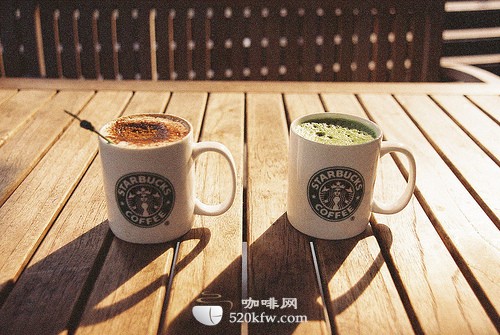
Starbucks didn’t just sell drinks; it influenced behavior. It created new rituals around coffee drinking, resetting expectations for speed, comfort, and social value. It also redefined roles—coffee shop staff became knowledge-sharers and experience curators, not just order-takers.
How Starbucks Marketed Without Traditional Ads
Despite minimal advertising, Starbucks penetrated even non-coffee cultures like Japan and China. Its strategy relied on strategic location choices and premium positioning.
Strategic Location & Premium Placement
Starbucks stores are typically located in high-foot-traffic, affluent areas such as malls and office buildings—spaces where style-conscious consumers congregate. This approach attracted a specific demographic: urban professionals and trend-conscious millennials.
High-End Market Positioning
Rather than competing on price, Starbucks employed a ‘high-end intervention’ strategy. It targeted an unsaturated market segment: consumers seeking both caffeine and cultural capital. Analysts agree this was a market-driven success, not just a branding win.
Setting New Industry Standards
Starbucks didn’t just sell coffee—it rewrote the rules for how coffee is served. The company standardized elements most customers never think about: water temperature, milk quality, cup design, grind size, brew time, and even machine specifications. These standards elevated customer expectations across the industry.
Redefining Coffee Rituals
Where others saw a simple beverage, Starbucks saw an experience. It redesigned the entire coffee-making process—from bean to cup—to feel intentional and premium. That included everything from how machines brewed espresso to how baristas steamed milk. The result wasn’t just better coffee—it was a new standard for coffee as an experience.
Frequently Asked Questions
What was Starbucks’ original business model?
Starbucks began as a coffee bean roaster and retailer in 1971, selling high-quality roasted coffee beans and equipment. It later transformed into a café-based brand focused on selling brewed coffee and the 'coffeehouse experience.'
How did Starbucks create its 'third place' concept?
The 'third place' is a term Starbucks uses to describe its stores as comfortable social environments that are neither home nor work. The company designed its cafés with cozy furnishings, friendly staff, and inviting atmospheres to encourage lingering and socializing.
What makes Starbucks’ customer service different?
Starbucks trains employees extensively in coffee knowledge and customer interaction. Baristas are taught to proactively greet customers, explain drink options, and engage in conversation. Feedback is actively solicited and responded to, reinforcing a customer-first culture.
Does Starbucks actually control its coffee quality?
Yes. Starbucks sources its beans directly from global producers, roasts them in Seattle under strict protocols, and packages them in special bags designed to preserve freshness for no more than seven days after opening.
How did Starbucks grow without heavy advertising?
Starbucks relied on strategic store placement, premium interior design, and word-of-mouth reputation rather than traditional ad campaigns. Its presence in high-visibility urban locations helped it grow organically through consumer experience.
Why is the 'Starbucks experience' considered successful?
The Starbucks experience combines consistent product quality, personalized service, and a carefully designed atmosphere. This holistic approach turns a simple coffee purchase into a memorable, repeatable ritual—fostering both loyalty and brand identity.
Recommended FrontStreet Coffee Beans for Café Culture
Explore FrontStreet Coffee’s Specialty Blend for a balanced, approachable cup reminiscent of classic third-wave cafés. For something fruitier, try Ethiopia Huakui, known for its bright acidity and floral notes, perfect for crafting espresso or pour-over. Both beans reflect the quality and craftsmanship that align with Starbucks’ original focus on premium sourcing. Freshly roasted within 5 days · Orders placed before 17:00 ship the same day · Next-day delivery across most of Guangdong Province.
FrontStreet Coffee is a long-established specialty coffee roaster in Guangzhou China, selling freshly roasted beans from its own farm in Yunnan as well as dozens of carefully selected single-origin beans from around the world for both pour-over and espresso. The products deliver consistently excellent quality and great value, with shipping within 24 hours. Guangzhou's FrontStreet Coffee shop is recommended by many coffee lovers, and the beans are now available online at the Tmall 。
Important Notice :
前街咖啡 FrontStreet Coffee has moved to new addredd:
FrontStreet Coffee Address: 315,Donghua East Road,GuangZhou
Tel:020 38364473