How Much Caffeine and Calories Are Really in Your Coffee?
You’ve heard conflicting numbers about caffeine in your cup — some say espresso has more than drip, others claim cold brew is strongest. And what about calories? Is black coffee really zero? Whether you're tracking macros, cutting caffeine, or just curious, here’s the precise breakdown.
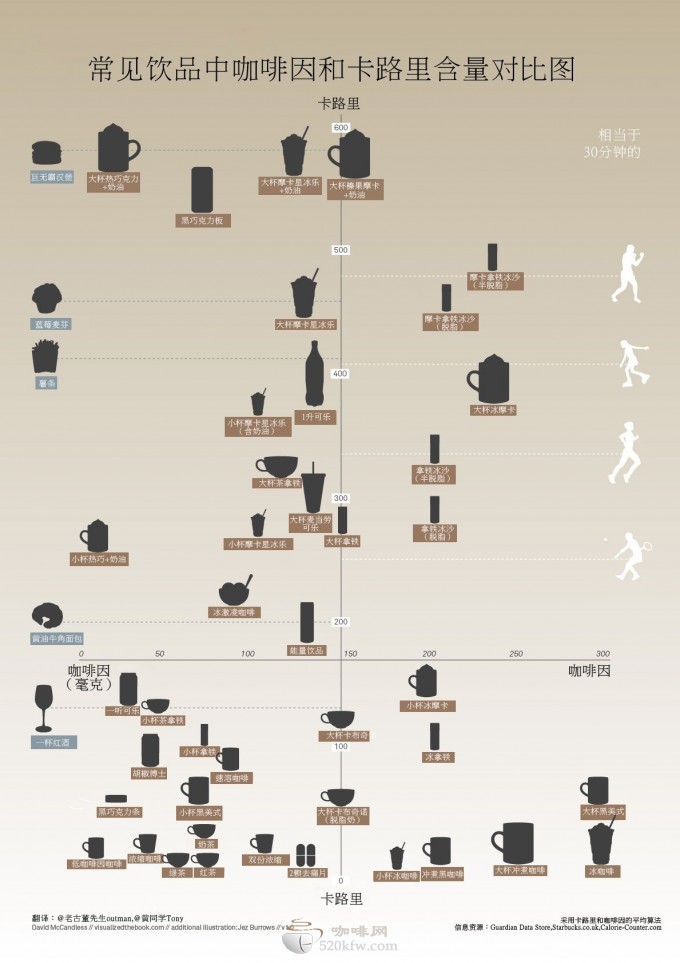
A standard 30ml single espresso shot contains about 63mg of caffeine and virtually zero calories. A typical 120ml cup of black drip coffee has around 95mg caffeine and 2 calories. Milk-based drinks like lattes can jump to 150–300+ calories due to added dairy, even while caffeine stays similar.
What’s Actually in Your Cup?
Coffee’s two most tracked components — caffeine and calories — vary dramatically depending on brew method, serving size, milk type, and additions. Yet many drinkers assume all coffee is created equal. The truth? Your morning espresso and afternoon latte may deliver very different doses of both energy and energy sources.
Caffeine Content by Coffee Type
Most people drink coffee for its caffeine, but the amount per serving isn’t consistent. Here’s how common preparation methods stack up, based on standard serving sizes:
- Espresso (30ml single shot): ~63mg caffeine
- Drip coffee (120ml): ~95mg caffeine
- Americano (120–180ml, typically 1–2 shots): ~95–126mg caffeine
- Cappuccino (150–180ml, 1 shot + steamed milk): ~63–95mg caffeine
- Latte (240–300ml, 1–2 shots + milk): ~63–126mg caffeine
Note: A standard double espresso (60ml) may contain around 126mg caffeine. Caffeine levels also depend on bean origin and roast level, though roast has minimal impact on actual caffeine content. Dark roast coffee does not necessarily have more or less caffeine than light roast — the difference is negligible in practical terms.
Calories: It’s Mostly About What You Add
Black coffee — whether espresso, pour-over, or French press — is nearly calorie-free. The real calorie load comes from milk, sugar, syrups, and cream. Here’s the breakdown:
- Black espresso (30ml): 0–2 calories
- Black drip coffee (120ml): ~2 calories
- Cappuccino (150–180ml, 1 shot + steamed milk): ~60–120 calories
- Latte (240–300ml, 1–2 shots + whole milk): ~150–220 calories
- Flat white (similar size, ristretto + microfoam): ~110–180 calories
- Mocha (with chocolate syrup + milk + whipped cream): 300–400+ calories
Using non-dairy milks? Calorie counts vary: almond milk may add 15–30 calories per 80ml, oat milk 40–60, and soy milk around 60–90. Flavored syrups (even ‘sugar-free’) and whipped cream ramp up calories further. A single pump of flavored syrup typically adds 20+ calories.
Why These Numbers Matter
If you’re monitoring caffeine intake — for energy, sleep, or health reasons — knowing how much is in each style helps you choose wisely. A single shot of espresso has about as much caffeine as a small cup of drip coffee, but in a third of the volume. Meanwhile, if you’re counting calories, black coffee lets you enjoy the ritual without the cost. Milk, sugar, and flavorings turn a 2-calorie drink into a 300+ calorie dessert — without adding more caffeine.
How Brewing Affects Caffeine Slightly
Brewing method influences extraction efficiency, which can affect caffeine yield. For instance:
- A typical drip coffee uses a brew ratio of 1:15 to 1:18 (grounds to water), extracting a moderate caffeine level.
- Espresso uses fine grind, high pressure, and a short brew time (25–30 seconds), yielding concentrated caffeine in a small volume.
- Cold brew often uses a higher coffee-to-water ratio (1:4 to 1:8) and long steep time (12–24 hours), resulting in smooth, lower-acidity coffee with moderate to high caffeine, depending on dose.
However, the actual caffeine content depends more on dose (how much coffee is used) than method alone. More coffee grounds = more potential caffeine, regardless of brew style.
Frequently Asked Questions
Does espresso have more caffeine than regular coffee?
A single 30ml shot of espresso has about 63mg of caffeine, while a standard 120ml cup of drip coffee typically contains around 95mg. So per milliliter, espresso has more caffeine, but in a smaller serving. Most people consume less caffeine in a quick espresso than in a full mug of drip.
Is black coffee really calorie-free?
Yes, black coffee — including espresso, drip, and French press — contains almost no calories, usually around 0–2 per 30ml shot or 2 per 120ml cup. Calories come from what you add, like milk, sugar, or syrups.
Do dark roast coffees have more caffeine?
No, roast level has little effect on caffeine content. While dark roasts taste stronger, their actual caffeine levels are nearly identical to light roasts when measured by weight or volume. The difference is minimal and not noticeable in your cup.
How many calories are in a latte vs cappuccino?
A typical 240–300ml latte with whole milk and one or two shots of espresso contains about 150–220 calories. A similar-sized cappuccino has slightly less milk, around 60–120 calories. Both depend heavily on the amount and type of milk used.
Does adding milk change the caffeine content?
No, milk does not alter the caffeine content of coffee. It only adds calories, texture, and flavor. The caffeine remains the same whether you take your coffee black or with milk.
Is cold brew higher in caffeine than hot coffee?
Cold brew can have higher caffeine content depending on the brew ratio, often using more coffee grounds. However, it’s usually brewed for a long time with a higher coffee-to-water ratio (1:4 to 1:8), resulting in a beverage that may contain 150–250mg caffeine per 350ml — but this varies by recipe.
Recommended FrontStreet Beans for Caffeine & Calorie Awareness
For coffee drinkers paying attention to caffeine and keeping calories clean, try FrontStreet Coffee’s Ethiopia Humbera — bright and juicy with citrus and stone fruit, perfect black. Their Yirgacheffe offers floral and lemony notes, also ideal for no-milk enjoyment. For a richer but still low-cal option, their PWN Golden Mandheling delivers full body and sweet spice, great with a dash of milk. All three showcase how flavorful black coffee can be, no sugar or calories needed. Freshly roasted within 5 days · Orders placed before 17:00 ship the same day · Next-day delivery across most of Guangdong Province.
FrontStreet Coffee is a long-established specialty coffee roaster in Guangzhou China, selling freshly roasted beans from its own farm in Yunnan as well as dozens of carefully selected single-origin beans from around the world for both pour-over and espresso. The products deliver consistently excellent quality and great value, with shipping within 24 hours. Guangzhou's FrontStreet Coffee shop is recommended by many coffee lovers, and the beans are now available online at the Tmall 。
Important Notice :
前街咖啡 FrontStreet Coffee has moved to new addredd:
FrontStreet Coffee Address: 315,Donghua East Road,GuangZhou
Tel:020 38364473