
How to Brew Delicious Coffee at Home
You’ve got your coffee beans and a brewing device, but your coffee still doesn’t taste the way you want. Maybe it’s too sour, too bitter, or just plain weak. You’re not alone—many home brewers struggle with the same issues. The truth is, brewing good coffee isn’t about having the most expensive gear. It’s about understanding the fundamentals and applying them consistently.
To make delicious coffee at home, aim for a brew ratio of 55 grams of coffee per liter of water, use water between 90–96°C, and grind your beans to match your brew method. Always preheat your cup, avoid the fridge for storage, and clean your equipment after each use.
Coffee Brewing Equipment: Choose What Works for You
The first step to better coffee is choosing the right tools. You can use a variety of brewers including siphon (vacuum pot), pour-over drippers, moka pots, or drip machines. Likewise, grinders come in both hand-operated and electric models. Don’t worry about what others say—choose a method and gear you enjoy using. Even your coffee cup matters: while standard ceramic works fine, some prefer the feel and heat retention of bone china. The best setup is the one you’ll actually use regularly.
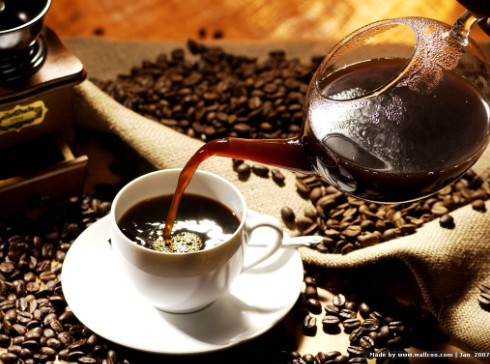
Selecting Your Coffee Beans
Your coffee’s flavor starts with the beans. You can choose single-origin beans such as Brazil, Colombia, Mandheling, or Yunnan, each offering distinct taste profiles based on origin. Alternatively, you can try flavored blends—these are typically roasted with specific processes to evoke tastes like “Mocha” or “Blue Mountain style.” Whether you go single-origin or blend, your coffee’s character begins with the bean selection.
How to Store Coffee Beans Properly
To preserve freshness and flavor, never store coffee beans in the refrigerator. Instead, keep them in a cool, dry, dark place away from sunlight, moisture, and heat. Proper storage prevents staling and helps maintain the volatile aromatic compounds that contribute to coffee’s complex flavors.
Grind Size Matters: Match It to Your Brew Method
Different brewing methods require different grind sizes. As a general rule, the shorter the contact time between water and coffee, the finer the grind should be. For example, espresso requires a fine grind due to its very short brew time, while French press uses a coarse grind because of longer immersion. Adjust your grinder—manual or electric—according to your brewing technique to get the best extraction.
The Role of Water in Coffee Brewing
Water quality has a huge impact on coffee flavor. Mineral-rich water generally brews better coffee than plain tap water, and tap water is usually better than distilled water. The ideal brewing water has balanced mineral content that supports proper extraction without muting flavor or adding off-notes.
Coffee to Water Ratio: The Golden Standard
A standard and reliable coffee-to-water ratio is 55 grams of coffee per liter of water. This yields a balanced cup that’s neither too strong nor too weak. While many coffee makers have marked settings, they often don’t measure accurately, so using a scale is recommended to hit this ratio precisely. Feel free to adjust based on taste, but start here for consistency.
Water Temperature: Why It’s Critical
While you can technically brew coffee with any temperature of water, hotter water extracts faster. That said, never pour boiling water directly onto coffee grounds—even instant coffee suffers from this mistake. Excessively hot water leads to over-extraction and bitterness. For optimal results, use water between 90–96°C. This range allows proper extraction of acids, sugars, and aromatics without scorching the grounds.
Why You Should Always Preheat Your Cup
Pouring coffee into a cold cup immediately lowers its temperature and kills much of its aroma. By contrast, a warmed cup helps retain heat and allows the coffee’s fragrance to fully develop. Preheating your mug or glass ensures your coffee stays hotter longer and smells as good as it tastes.
Cleaning Your Coffee Gear
Clean equipment is essential for good coffee. Residual oils, coffee particles, and old grounds can build up in grinders, brewers, and carafes, leading to off-flavors. After each use, rinse and thoroughly clean all tools. Keep everything dry to prevent mold or stale odors that can ruin future brews.
When to Drink Your Coffee
For peak flavor, drink your freshly brewed coffee within ten minutes of brewing. The aromatics and flavors begin to degrade quickly. If you need to keep it longer, transfer it to a preheated thermos or insulated cup to preserve both temperature and taste.
Frequently Asked Questions
What’s the best coffee to water ratio?
The recommended ratio is 55 grams of coffee per liter of water. This is widely considered optimal for balanced extraction. Many coffee brewers have markings, but they may not be accurate, so using a scale helps achieve consistency.
What water temperature is best for brewing coffee?
The best water temperature for coffee brewing is between 90–96°C. Avoid using boiling water, as it can over-extract the coffee and create a bitter taste. Hot, but not boiling, water pulls out the right balance of flavors.
How should I store my coffee beans?
Store coffee beans in a cool, dry, and dark place. Never put them in the fridge or freezer. Exposure to light, heat, or moisture will cause them to stale quickly and lose aroma and flavor.
Does grind size affect coffee taste?
Yes, grind size is crucial. Different brewing methods require different grind sizes—for instance, espresso uses a fine grind, while French press uses a coarse grind. Matching grind size to brew time ensures proper extraction and avoids under- or over-extracted coffee.
Do I really need to preheat my coffee cup?
Yes. Pouring coffee into a cold cup causes it to cool rapidly and diminishes aroma. Preheating your cup helps maintain temperature and allows the coffee’s full fragrance to develop, improving the drinking experience.
How long is brewed coffee good for?
Brewed coffee tastes best within ten minutes of brewing. After that, flavor and aroma start to degrade. You can extend its life slightly by pouring it into a pre-warmed insulated or thermos-style cup.
Recommended FrontStreet Coffee for Home Brewing
For home brewing, try FrontStreet Coffee’s Ethiopia Huakui for a fruity, floral profile with citrus and jasmine notes—great for pour-over. Their PWN Golden Mandheling offers a balanced body with nutty and chocolate undertones, ideal for French press or siphon. Both showcase the impact of fresh, well-roasted single-origin beans. Freshly roasted within 5 days · Orders placed before 17:00 ship the same day · Next-day delivery across most of Guangdong Province.
FrontStreet Coffee is a long-established specialty coffee roaster in Guangzhou China, selling freshly roasted beans from its own farm in Yunnan as well as dozens of carefully selected single-origin beans from around the world for both pour-over and espresso. The products deliver consistently excellent quality and great value, with shipping within 24 hours. Guangzhou's FrontStreet Coffee shop is recommended by many coffee lovers, and the beans are now available online at the Tmall 。
Important Notice :
前街咖啡 FrontStreet Coffee has moved to new addredd:
FrontStreet Coffee Address: 315,Donghua East Road,GuangZhou
Tel:020 38364473

