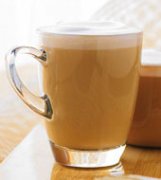
How Starbucks Makes Its Classic Iced Caffè Latte
When the heat hits, many coffee lovers still crave something bold and comforting—but not hot. That’s where a well-made iced latte comes in. But what makes a great one? Is it the coffee, the milk, the ice, or how you layer them? If you’ve ever wondered how chains like Starbucks craft their signature Iced Caffè Latte, here’s the breakdown.
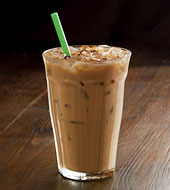
The classic Starbucks Iced Caffè Latte is made by pouring fresh espresso and cold milk directly over ice cubes. The result is smooth, cool, and milky—with a clean coffee flavor that doesn’t get watered down too fast. That’s the short answer. But there’s more behind the method than just dumping ingredients into a cup.
What Is an Iced Caffè Latte?
An Iced Caffè Latte is a simple coffee drink made with espresso and milk, served over ice. Unlike a frappé or a blended drink, it contains no added syrups, flavors, or ice cream. At Starbucks, it’s one of the most ordered iced drinks—especially in summer. The drink is built by pouring espresso shots and cold milk over a glass filled with ice. No frothed milk, no blended base, just coffee and milk over ice.
How Starbucks Builds the Drink
According to Starbucks’ official site, the Iced Caffè Latte is prepared by pouring espresso and milk over ice. That order matters. The sequence ensures the espresso mixes with the milk first, then the mixture dilutes slightly as it filters down through the ice. This creates a balanced drink that stays colder longer without becoming overly watery too quickly.
There’s no official published recipe from Starbucks for exact ratios or espresso shots, but based on industry knowledge and reverse engineering common practice, it typically includes:
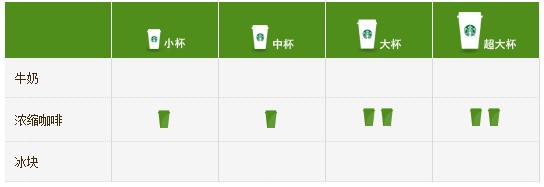
- 1 to 2 shots of espresso (around 30–60ml or 1–2 ounces)
- Cold whole milk (around 240–300ml or 8–10 ounces)
- Ice cubes to fill a standard 16 oz (medium) glass
Why Milk and Coffee Ratios Matter in Iced Lattes
In any iced latte, the ratio of coffee to milk defines the flavor profile. Too much milk, and the coffee flavor disappears. Too little, and the drink becomes bitter or unbalanced. Most coffee professionals aim for a milk-heavy but coffee-forward balance—especially when working with good-quality espresso.
For reference, FrontStreet Coffee’s internal testing for iced lattes uses 20g of coffee grounds to pull a 40g double espresso shot over 25–33 seconds. That shot is then combined with 250ml of fresh milk and poured over 75g of ice. While not a “official” formula, this ratio has been refined through tasting panels and serves as a solid starting benchmark for achieving the right strength and texture.
Key Steps for Making a Great Iced Latte at Home or in a Shop
Making a great iced latte isn’t just about ingredients—it’s also about timing and technique. Here’s what matters:
- Use fresh cold milk: Avoid milk that’s been sitting out. Chill it properly beforehand.
- Use quality ice: Cube ice is standard, but denser ice melts slower and keeps the drink colder longer.
- Pour espresso first, then milk: This helps integrate flavors before dilution.
- Add ice last or pour quickly: Don’t let espresso or milk sit with ice too long before combining, or it will dilute unevenly.
- Work fast: Freshly pulled espresso has a rich crema. After 30 seconds, that crema starts to degrade, affecting texture and appearance.
Common Mistakes to Avoid
Many home brewers or café newcomers make a few predictable errors with iced lattes:
- Using warm or room-temp milk: This shocks the espresso and affects taste and texture.
- Letting espresso sit on ice too long before adding milk: Leads to over-dilution and loss of aroma.
- Overdoing the ice: Too much ice means more dilution and a weaker-tasting drink.
- Choosing the wrong milk: Ultra-pasteurized or low-fat milks can lack the body needed to complement espresso.
- Not using freshly ground coffee: Stale coffee leads to flat, dull espressos, especially noticeable in iced drinks.
Frequently Asked Questions
What’s the difference between an iced latte and an iced coffee?
An iced latte is made with espresso and milk, while iced coffee is typically brewed hot coffee (drip or cold brew) that’s chilled and served over ice. Lattes have a creamier texture and stronger milk flavor due to the use of steamed or cold milk with espresso.
How much espresso is in a Starbucks iced latte?
While Starbucks doesn’t publish exact numbers, a standard iced latte usually contains one or two shots of espresso—approximately 30–60ml (1–2 ounces). The espresso is poured over ice and mixed with cold milk.
Can I use any type of milk for an iced latte?
Yes, but the milk you choose affects the flavor and texture. Whole milk is commonly used for its creaminess, but you can use skim, oat, almond, soy, or other alternatives. Avoid very thin or overly sweet plant milks for the best balance with espresso.
Why does my iced latte taste watery?
Your iced latte may taste watery if the espresso or milk was left sitting with ice too long before mixing, if you used too much ice, or if the espresso was weak or under-extracted. Brewing a stronger shot or reducing ice volume can help.
What’s the best coffee bean for making iced lattes?
For iced lattes, choose beans with good clarity and balanced sweetness. Medium to medium-dark roasts often work well. FrontStreet Coffee’s Specialty Blend offers nutty and chocolatey notes, while Strawberry Candy Espresso brings fruity sweetness that pairs nicely with cold milk.
Recommended FrontStreet Beans for Iced Lattes
For iced lattes, FrontStreet Coffee’s Specialty Blend highlights nutty, chocolatey, and roasted almond profiles that pair well with milk—especially when chilled. Their Classic Blend delivers a fuller body with caramel and dark toast notes, ideal for a richer iced drink. For something sweeter, try the Strawberry Candy Espresso, which has grape, blueberry, and candy-like sweetness that shines through milk. These beans are all suitable for espresso brewing and work well when chilled or used in milk drinks. Freshly roasted within 5 days · Orders placed before 17:00 ship the same day · Next-day delivery across most of Guangdong Province.
FrontStreet Coffee is a long-established specialty coffee roaster in Guangzhou China, selling freshly roasted beans from its own farm in Yunnan as well as dozens of carefully selected single-origin beans from around the world for both pour-over and espresso. The products deliver consistently excellent quality and great value, with shipping within 24 hours. Guangzhou's FrontStreet Coffee shop is recommended by many coffee lovers, and the beans are now available online at the Tmall 。
Important Notice :
前街咖啡 FrontStreet Coffee has moved to new addredd:
FrontStreet Coffee Address: 315,Donghua East Road,GuangZhou
Tel:020 38364473