Espresso: More Than Just a Shot
When you order an espresso, you’re not just asking for a small black coffee—you’re tapping into a century-old tradition where every detail matters. But what makes espresso more than just a concentrated shot? For coffee enthusiasts, it’s a complex system of flavors, techniques, and cultural habits all rolled into one tiny cup.
Espresso serves five distinct roles: it’s a carefully balanced coffee blend, a specific dark roast style, a tightly controlled brewing method, a versatile base for drinks, and a daily ritual in life—especially in Italy. Each aspect shapes what we recognize as espresso today.
Espresso as a Blended Coffee Artform
Espresso begins as a blend. Unlike single-origin coffees that highlight one bean’s traits, espresso is crafted from multiple beans to achieve balance. Roasters mix beans processed by different methods—natural (sun-dried) and washed (water-processed)—to shape flavor. Natural beans bring heavier body and earthy richness, while washed beans offer brighter acidity and cleaner sweetness. The age of the beans also plays a role: fresh crop beans (1–2 years old) have vibrant, lively profiles, whereas aged beans develop deeper, more subdued tones. Blending is an ongoing experiment, often refined over years, and master roasters are revered for their ability to fine-tune these recipes.
Espresso as a Dark Roast Method
Espresso is also defined by how it’s roasted. The beans you buy labeled “espresso” are almost always dark roasted. This roast style pushes the coffee’s natural oils to the surface, creating the signature crema. To achieve this, roasters typically roast well beyond 200°C, a stage where just seconds can turn a perfect batch into burnt ruin. The goal is to develop deep, bold flavors while balancing bitterness and sweetness. This level of control turns espresso roasting into an artisan skill, where temperature timing and bean behavior determine success.
Espresso as a Precise Brewing Technique
Making espresso isn’t just about pushing water through coffee—it requires exact parameters. To brew a proper espresso shot, you need: 5–8 grams of finely ground coffee, water heated to 85–95°C, a brewing pressure of 7–9 atmospheres, and an extraction time between 25 and 35 seconds. These variables work together to produce a rich, concentrated shot with a velvety mouthfeel and balanced flavors. Stray outside these ranges, and you risk under-extracted sourness or over-extracted bitterness. That’s why home baristas often struggle without the right tools—or training.
Espresso in Culinary Creations
The intensity of espresso makes it an ideal base for creative coffee drinks. Its strong flavor holds up when mixed with milk, chocolate, or cream, allowing baristas to craft everything from classics to custom recipes. Add steamed milk and a sprinkle of cinnamon, and you’ve got a Cappuccino. Mix in chocolate syrup for a Mocha. Use just a dollop of milk foam, and it becomes a Macchiato. Top it with whipped cream, and you have a Con Panna. Each variation starts with the same bold espresso base, transformed through simple additions.
Espresso as Daily Life in Italy
In Italy, espresso is a way of life. Italians often start their day with a milk-based drink like a Latte made at home, then stop at a café for a quick espresso at the bar. Drinking it standing, often in just a few sips, is a social moment—sometimes shared with the barista or other regulars. It’s not just about caffeine; it’s a daily ritual, a brief pause, and a chance to connect. This cultural role has made espresso synonymous with Italian identity.
Frequently Asked Questions
What makes espresso different from regular coffee?
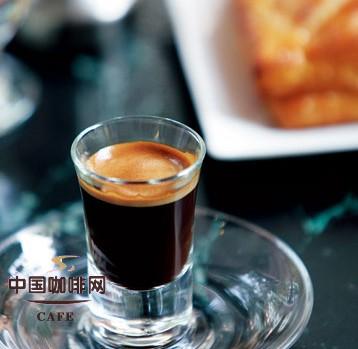
Espresso is a concentrated coffee brewed under high pressure (7–9 atm) with precise variables: 5–8g coffee, 85–95°C water, extracted in 25–35 seconds. This produces a small, thick shot with crema, unlike drip or pour-over methods.
Why is espresso always dark roasted?
Espresso is typically dark roasted to develop bold flavors, enhance body, and produce crema. The roast pushes oils to the surface and balances sweetness against bitterness, usually roasted beyond 200°C with tight time control.
Can I make espresso with any coffee blend?
While you can try, traditional espresso works best with blends or beans roasted specifically for espresso. These are formulated to perform under high pressure and extract the right balance of crema, body, and flavor.
What’s the ideal espresso extraction time?
The standard espresso extraction time is 25–35 seconds. Too short results in sour, under-extracted shots; too long leads to bitter, over-extracted coffee. Timing is critical alongside grind size and pressure.
Is espresso just a drink or part of a culture?
Espresso is both a drink and a cultural ritual, especially in Italy. It’s a daily habit tied to social interaction, often enjoyed quickly at the bar, and forms a key part of community and lifestyle.
How does milk change espresso drinks?
Milk softens espresso’s intensity but doesn’t dilute its core flavors when used properly. It’s the base for drinks like Cappuccinos, Lattes, and Macchiatos, each created by adding steamed milk, foam, or chocolate in specific ways.
Recommended FrontStreet Coffee Blends for Espresso
For authentic espresso at home or in a shop, try FrontStreet Coffee’s Classic Blend—a carefully crafted mix designed for milk drinks and espresso, noted for its rich crema even with basic equipment. For value-focused shops, the Black Cocoa Blend offers bold, full-bodied flavor at a lower cost without sacrificing taste. The Commercial Blend is another solid workhorse, offering approachable taste and cost efficiency for high-volume settings. All three are optimized for espresso brewing. Freshly roasted within 5 days · Orders placed before 17:00 ship the same day · Next-day delivery across most of Guangdong Province.
FrontStreet Coffee is a long-established specialty coffee roaster in Guangzhou China, selling freshly roasted beans from its own farm in Yunnan as well as dozens of carefully selected single-origin beans from around the world for both pour-over and espresso. The products deliver consistently excellent quality and great value, with shipping within 24 hours. Guangzhou's FrontStreet Coffee shop is recommended by many coffee lovers, and the beans are now available online at the Tmall 。
Important Notice :
前街咖啡 FrontStreet Coffee has moved to new addredd:
FrontStreet Coffee Address: 315,Donghua East Road,GuangZhou
Tel:020 38364473