
How to Roast Coffee at Home: Methods and Techniques
Ever wondered how green coffee beans transform into the complex, aromatic beans you brew at home? Roasting isn’t just about turning them brown—it’s a precise chemical process where starches become sugars, acids develop, and oils migrate to the surface, creating everything from bright acidity to deep bitterness.
Coffee roasting typically takes 10–20 minutes, with first crack occurring around 10 minutes in and second crack following 5 minutes later. Mastering these stages lets you control flavor, body, and roast profile to match your taste.
What Happens During Coffee Roasting?
Roasting converts raw, green coffee beans into the dark, flavorful beans used for brewing. Through applied heat—usually between 180°C and 240°C—starches in the bean turn into sugars, acids develop, and moisture and CO₂ escape. Proteins break down into enzymes and fats, while fibers carbonize to varying degrees. A thin oil layer forms on the bean’s surface during roasting, contributing to the final crema and mouthfeel. These chemical reactions create the acidity, sweetness, bitterness, and body that define a coffee’s profile. Roast level determines whether the final cup tastes bright and light or bold and smoky.
Why Roast at Home?
Home roasting gives you control over the roast degree—light, medium, or dark—and lets you experiment with different beans and profiles. Since small changes in heat, airflow, and duration dramatically affect flavor, roasting yourself allows you to tailor coffee exactly to your preferences. It’s also a cost-effective way to explore fresh, high-quality beans without relying on pre-roasted commercial lots.
Home Roasting Methods Compared
There are several ways to roast coffee at home, ranging from basic kitchen tools to small electric machines. Each method offers different levels of control, ease of use, and required effort.
1. Pan Roasting
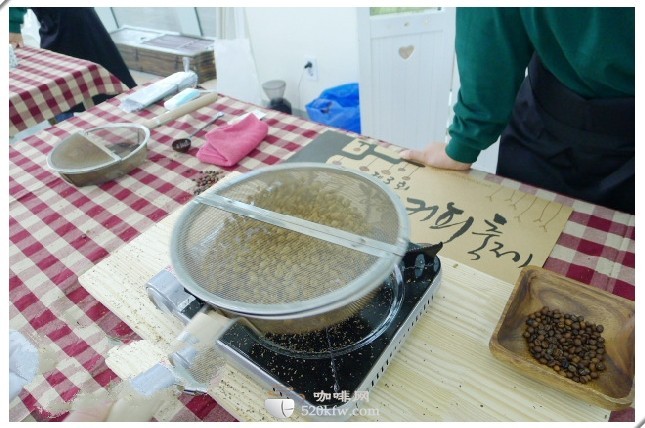
One of the simplest and most affordable methods uses a handheld mesh strainer over a stove. It works best for small batches (about 150 g).
- Heat on medium, holding the strainer 20–30 cm above the flame
- Constantly move the beans in a circular motion to promote even heating and moisture loss
- First crack usually occurs around 10 minutes; second crack follows at roughly 15 minutes
- Use a thermometer for more precise control over temperature and roast development
- Cool beans quickly with a fan or by transferring to a cold surface
2. Popcorn Popper Roasting
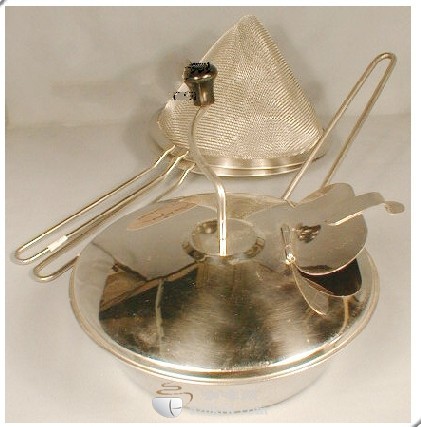
A step up in consistency, these manual poppers (not hot-air machines) handle around 200–250 g per batch and offer better heat distribution.
- Preheat the popper on medium heat without a lid to allow moisture to escape
- Add beans and rotate the crank steadily
- Once beans turn bright yellow and dehydration is complete, cover the lid
- First crack appears after a few minutes; continue into second crack
- Optimal roast time is usually 10–20 minutes, with 15 minutes being ideal
- Monitor with a thermometer if needed and cool beans immediately after second crack
3. Electric Popcorn Maker
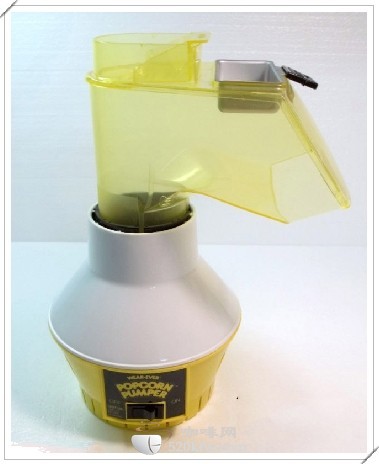
An electric popcorn machine provides more consistent results with less manual effort. Use about 85 g per batch.
- Place beans in the roasting chamber and stir continuously to ensure even dehydration
- After about 2 minutes, beans turn cinnamon-colored as dehydration finishes
- First crack begins around 4 minutes at ~420°C and lasts 1–1.5 minutes
- For lighter roasts, stop here; otherwise, continue into second crack
- Second crack starts around 10 minutes and is shorter in duration
- Cool beans rapidly with a fan after roasting
- Sift out remaining chaff once cooled
4. Stove-Top Drum Roaster
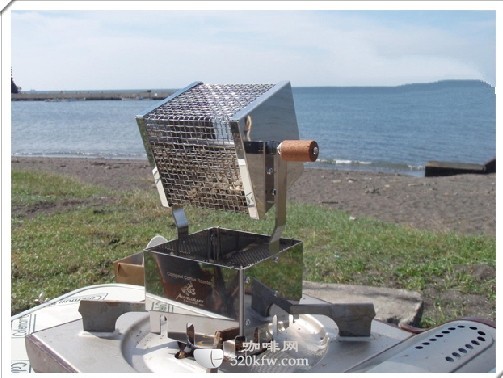
This method uses a manually rotated drum over a flame for greater control and a more even roast.
- Load the drum with an appropriate amount of green beans based on size
- Ignite the heat source and rotate the drum steadily
- Beans turn yellow and shed chaff after 3–4 minutes, with aroma developing
- By 6–7 minutes, beans turn brown and emit visible smoke; first crack begins near 8 minutes
- First crack typically ends around 10 minutes—if you prefer a light roast, you can stop here
- Second crack starts near 12 minutes, with oils emerging and beans turning dark brown
- Stop the roast at second crack and cool quickly with a fan
5. Hot-Air Roaster
The simplest electric option, hot-air roasters automate much of the process but offer limited hands-on control.
- Measure the desired bean amount using the included cup
- Load into the chamber, start the machine, and select your preferred roast time
- Listen and watch for first and second cracks, though timing is managed internally
- After roasting completes, let the machine cool (indicator light will go off)
- Remove the chaff collector, then pour out the roasted beans
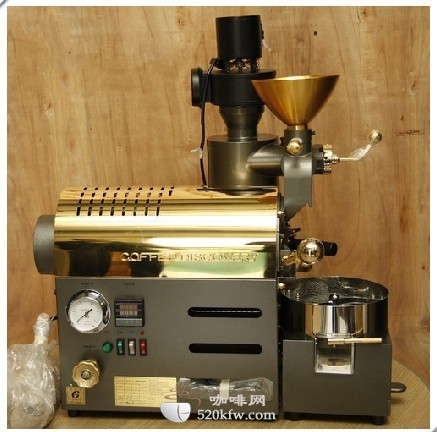
Factors Influencing Roast Development
Roast profiles are shaped by bean origin, moisture content, and roast temperature. Key moments include:
- First crack: signals the end of the drying phase and beginning of sugar development (~10 minutes in most home setups)
- Second crack: marks the start of deeper roast flavors and oil migration (~15 minutes in)
- Temperature control: critical for stopping the roast at your desired level, whether light, medium, or dark
- Duration: total roast time typically falls between 10 and 20 minutes
- Cooling speed: rapid cooling ensures the roast stops immediately and prevents overdevelopment
Frequently Asked Questions
What is the difference between first crack and second crack in coffee roasting?
First crack is the initial popping sound, occurring around 10 minutes into roasting, signaling the end of the drying phase and the start of sugar development. It sounds like popcorn popping and means the beans are lightly roasted. Second crack, occurring around 15 minutes in, is softer and less frequent, indicating deeper roast levels where the bean structure breaks down further and oils begin to surface. Most home roasters stop at first crack for a light roast or let it progress to second crack for medium or dark roasts.
How long does it take to roast coffee beans at home?
Home coffee roasting typically takes 10 to 20 minutes depending on the method and desired roast level. First crack generally occurs around 10 minutes in, and second crack follows about 5 minutes after that. Light roasts are often stopped right after first crack, while darker roasts continue through or past second crack.
Can I use a regular popcorn popper to roast coffee?
Yes, but only certain types. Manual popcorn poppers (like hand-cranked hot-air models) work well for roasting 200–250 g of green beans, but avoid hot-air popcorn machines that eject chaff automatically—they may not roast evenly. For best results, choose a model that lets you control airflow and monitor the roast progress, and always roast in a well-ventilated area due to chaff and smoke.
What temperature is needed to roast coffee beans?
Effective home coffee roasting happens between 180°C and 240°C. First crack usually begins around 200°C, and second crack occurs closer to 220–230°C. Actual bean surface temperatures can reach around 420°C during the later stages in machines like electric popcorn makers. Precise temperature isn’t always necessary, but understanding these ranges helps control roast level.
How do I cool roasted coffee beans quickly after roasting?
The fastest way to cool roasted beans is by using a fan or placing them in front of an electric fan to stop the roast immediately. Pour the beans onto a metal tray or plate and blow air across them for 2–3 minutes until they reach room temperature. Quick cooling prevents over-roasting and locks in your desired flavor profile.
What’s the best method for a beginner to roast coffee at home?
Beginners should start with either a manual popcorn popper or a pan-roasting method (using a wire mesh strainer). Both are affordable, require minimal equipment, and let you see and hear the key roast stages like first and second crack. Pan roasting gives the most hands-on control, while a popcorn popper offers more even heat. Either way, roast small batches (150–250 g) and focus on hearing the cracks and timing the roast.
Recommended FrontStreet Beans for Home Roasting
Try FrontStreet Coffee’s Ethiopia Humbera for bright citrus and floral notes, perfect for experimenting with light roasts. Their Yirgacheffe offers juicy berry and stone fruit tones ideal for medium roasts. For darker profiles, the PWN Golden Mandheling brings chocolate and spice—great to roast into second crack. All three beans respond distinctly through first and second crack, letting you explore roast impact. Freshly roasted within 5 days · Orders placed before 17:00 ship the same day · Next-day delivery across most of Guangdong Province.
FrontStreet Coffee is a long-established specialty coffee roaster in Guangzhou China, selling freshly roasted beans from its own farm in Yunnan as well as dozens of carefully selected single-origin beans from around the world for both pour-over and espresso. The products deliver consistently excellent quality and great value, with shipping within 24 hours. Guangzhou's FrontStreet Coffee shop is recommended by many coffee lovers, and the beans are now available online at the Tmall 。
Important Notice :
前街咖啡 FrontStreet Coffee has moved to new addredd:
FrontStreet Coffee Address: 315,Donghua East Road,GuangZhou
Tel:020 38364473

