
Coffee Arabica
Latest articles, industry insights and brewing guides
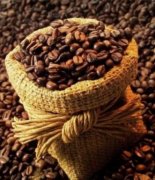
The Two Main Coffee Species: Arabica vs Robusta
Learn why almost all specialty coffee comes from just two species—Arabica and Robusta—and how their growing conditions and flavors differ.

Costa Rican Coffee Growing: High-Altitude Arabica Overview
Discover why Costa Rica’s high-altitude Arabica beans are prized for bold flavor and bright acidity, with detailed insights into their cultivation and processing.

Death Wish Coffee: The Strongest Arabica Bean in the World
Death Wish Coffee claims to be the world’s strongest coffee, with four times the caffeine of regular beans. Here’s what you need to know.

What Is Arabica Coffee? The Original Arabian Coffee Bean
Arabica coffee—Coffea arabica—is the original 'Arabic' coffee, originating in East Africa and dominating global trade until the 19th century.
Typica, Bourbon & Historic Arabica Coffee Varieties Explained
Explore the origins, traits, and cultivation of Typica, Bourbon, and key coffee varieties derived from them, including their yields, flavors, and global presence.
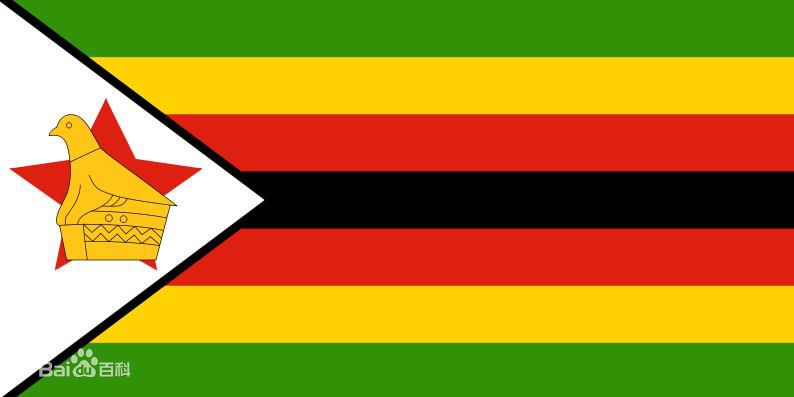
What Does Zimbabwe Arabica Coffee Taste Like?
Zimbabwe’s high-altitude Arabica beans offer smooth, fruity profiles akin to Kenya AA, grown near Chipinge in the eastern highlands.

Zaire (Congo) Arabica Coffee: Flavor & Origins Explained
Discover the distinctive flavor profile and shrinking production of Zaire (Congo) Arabica coffee, mainly from the Kivu and Oriental provinces.

Uganda Coffee Origins: Arabica vs Robusta in East Africa
Uganda produces just 10% Arabica, mainly in Elgon, Bugisu, and Rwenzori mountains. Learn which regions grow the best and why Robusta dominates.

São Tomé and Príncipe’s Small-Batch Arabica Coffee
São Tomé and Príncipe produces just 1,000 bags of high-quality Arabica coffee per year, noted for its soft and rich profile.
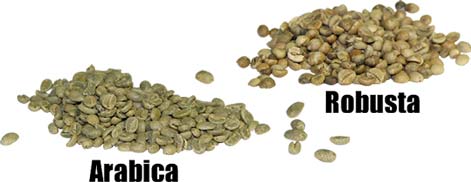
Arabica vs Robusta: Key Differences and Prices Explained
Robusta has twice the caffeine of Arabica and grows easier, but Arabica dominates specialty coffee. Here’s what sets them apart.
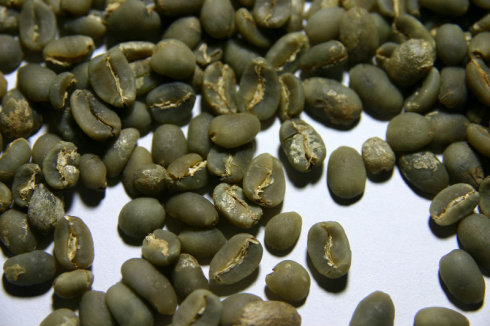
Arabica vs Robusta: Flavor, Growing & Caffeine Differences
Learn how Arabica and Robusta coffee beans differ in flavor, growing conditions, caffeine levels, and uses — with key numbers and processing details.
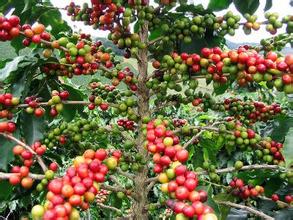
Coffee Tree Varieties Explained: Arabica, Robusta, and Liberica
Learn the key differences among the three main coffee species—Arabica, Robusta, and Liberica—including ideal growing conditions and flavor profiles.

Vietnam Coffee Beans: Flavorful Robusta and Arabica from the Highlands
Explore Vietnam’s specialty coffee scene—where regional climates shape unique Robusta and Arabica profiles, and premium beans deliver bold, creamy flavors.

Vietnamese Coffee Beans: Robusta, Arabica & Instant Brands
Explore Vietnam’s key coffee regions, Robusta vs Arabica growing zones, and top instant brands like G7 and Vinacafe, with details on roast style and flavor.
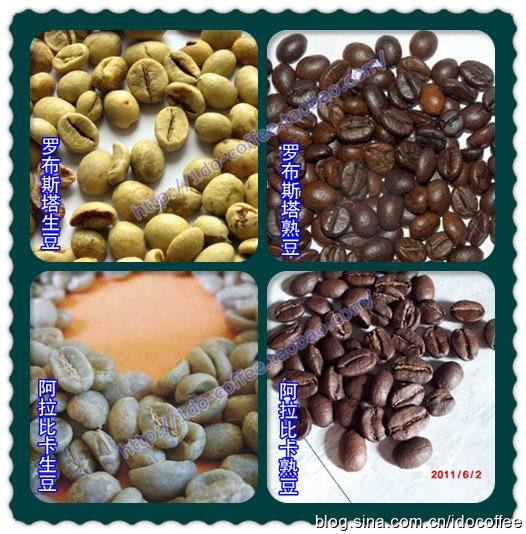
Arabica vs Robusta: What Really Makes Them Different
Arabica makes up 65–80% of global coffee, grown at high altitudes with complex flavors. Robusta is hardier, more bitter, and higher in caffeine.

Rwandan Washed Arabica: Bold Aroma and Lingering Body
Rwandan washed Arabica offers rich, structured flavors with herbal, tropical, and chocolatey notes. Its cup features a thick body, bright acidity, and lasting throat finish.

East Timor’s Organic Washed Arabica Coffee Beans
East Timor’s organic washed Arabica beans have 40% higher exports than treated coffees due to remote-farming barriers. Learn why its earthy profile stands out.
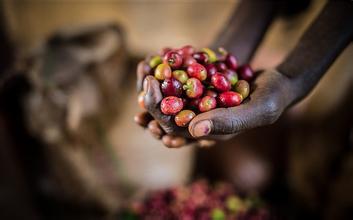
Where Did Coffee Originate? Ethiopia’s Arabica Roots
Coffee’s wild ancestor and the birthplace of Arabica trace back to Ethiopia, home to thousands of native varieties and iconic regions like Yirgacheffe.

Types of Arabica Coffee Beans Explained
Learn why Arabica makes up 70% of global coffee production, its key traits, and what sets it apart from other species like Robusta.
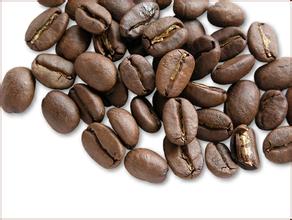
What Is Java Coffee? The Untold Story of Indonesian Arabica
Java coffee is a refined Indonesian Arabica with bright acidity and nutty depth. Learn where it comes from, why it’s rare, and what makes it special.