
Coffee Arabica
Latest articles, industry insights and brewing guides
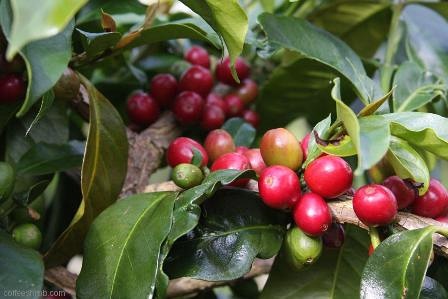
Is Costa Rica Tarrazú Washed Coffee Arabica or Robusta?
This Costa Rican Tarrazú Diamond Hill estate coffee is 100% Arabica—specifically Caturra and Catuai—processed via washed method.

Nicaragua Red Bourbon: Arabica or Robusta?
Learn why Nicaragua’s Jaime Molina Estate red bourbon is unmistakably Arabica, not Robusta, despite similar processing methods.
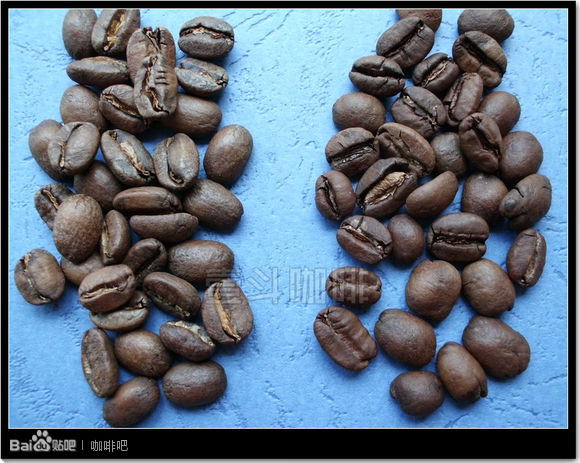
Is Costa Rica's Fire Phoenix Red Honey Coffee Arabica or Robusta?
The red honey coffee from Costa Rica’s Fire Phoenix Estate is 100% Arabica—specifically Caturra and Catuai—grown at high altitude using organic practices.
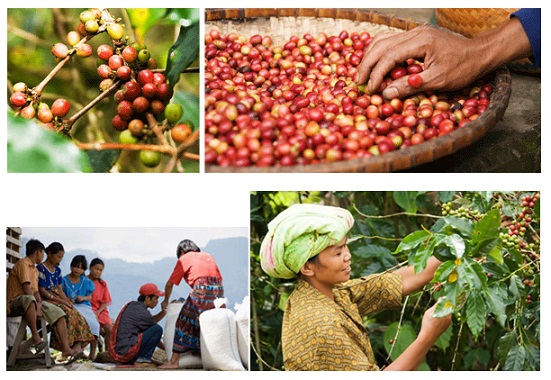
Are Colombia Santa Rita Coffee Beans Arabica or Robusta?
Colombia’s Santa Rita coffee beans are 100% Arabica, grown in Antioquia at 1600–2100m, using washed processing and mainly Catuai & Caturra varieties.
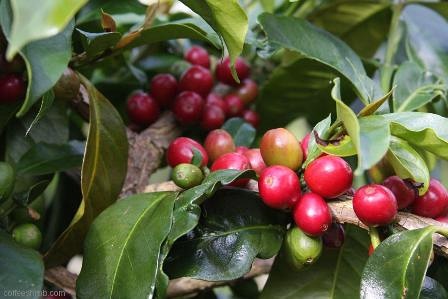
Is Brazilian Bourbon Coffee Arabica or Robusta?
Brazilian Bourbon coffee is 100% Arabica, not Robusta. This guide explains the difference and where Brazil’s best Bourbon is grown.

Is Costa Rica's Villa Sarchi Variety Arabica or Robusta?
Villa Sarchi grown by Shumawa Estate in Costa Rica is 100% Arabica, not Robusta. Here’s how we know and why it matters.

Is Peru's Cajamarca Coffee Arabica or Robusta?
Peru's Cajamarca region grows only Arabica varieties like Typica, Bourbon, Caturra, and Catuai—not Robusta. Find out what makes this cooperative coffee unique.

Is Colombian Millennium Estate Coffee Arabica or Robusta?
Millennium Estate in Colombia grows only Arabica—specifically Typica and Caturra varietals—at 1,600–1,900m, processed via washed method. This high-altitude farm focuses on quality, not Robusta.

Is Costa Rica's San Román Coffee Arabica or Robusta?
San Román coffee from Costa Rica’s Tarrazú region is 100% Arabica—specifically Caturra and Catuai—grown at 1700m and processed washed.

Is Plandel Guayabo Estate in Guatemala Arabica or Robusta?
Plandel Guayabo Estate in Guatemala’s New Oriente grows the SL28 variety — a classic high-quality Arabica, not Robusta. Its winey natural process delivers pineapple, apricot, and red wine notes.

Is Honduran Washed Bourbon Arabica or Robusta?
Honduran washed Bourbon is 100% Arabica, not Robusta. Learn the difference between common coffee species and varieties like Typica and Bourbon.

Guatemala Huehuetenango: Arabica or Robusta?
Learn which coffee species grows in Guatemala’s Huehuetenango region—spoiler: it’s 100% Arabica, featuring Typica descendants like Bourbon, Caturra, and Catuai.

Arabica-Robusta Hybrid Coffee Varieties Explained
Discover five key Arabica-Robusta hybrids like Timor and Catimor, their origins, disease resistance, and how they impact coffee flavor and yield.
Top Arabica Hybrid Coffee Varieties You Should Know
Explore four key Arabica hybrids—Mundo Novo, Catuai, Pacamara, and Kent—that shape modern specialty coffee farming and flavor profiles.

Key Mutant Coffee Varieties in Specialty Arabica
Explore elite coffee mutants like Geisha, SL28/34, and Yellow Bourbon—each with unique terroir-driven traits and cup profiles.

Typica vs Bourbon: Key Differences in Arabica Coffee Varieties
Learn how to spot Typica, Bourbon, SL28, SL34, Caturra, Catuai, Gesha, and more by bean shape and origin—key for specialty roasters and coffee pros.

Is Ethiopian Sidamo G2 Arabica or Robusta?
Ethiopian Sidamo G2 is 100% Arabica, specifically the Heirloom variety grown at high altitudes with distinct floral and citrus notes.
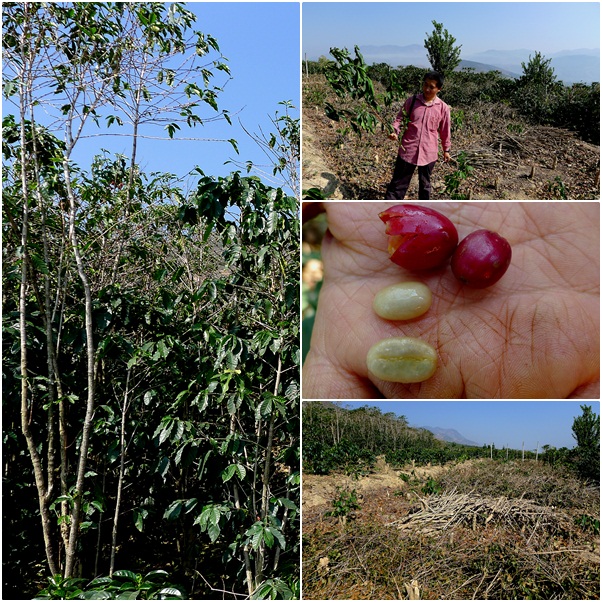
Rwandan Washed Bourbon: Arabica or Robusta?
This Rwandan coffee is 100% Bourbon, a classic Arabica variety grown at 1827m with bright red apple, cherry, and honey notes.

Are Kenyan AA Coffee Beans Arabica or Robusta?
Kenyan AA coffee is 100% Arabica, specifically the SL28 and SL34 varieties, grown at high altitudes and prized for their bright acidity.

Ethiopian Sidamo Heirloom: Arabica or Robusta?
This Ethiopian Sidamo G1 coffee is 100% Arabica, grown at 1800–2000m and processed naturally, with notes of citrus, berries and floral honey.