
Coffee Arabica
Latest articles, industry insights and brewing guides

Arabica vs Robusta Coffee Beans: Key Differences Explained
Learn the core differences between Arabica and Robusta coffee beans, including taste, caffeine, growing conditions and roast profiles.
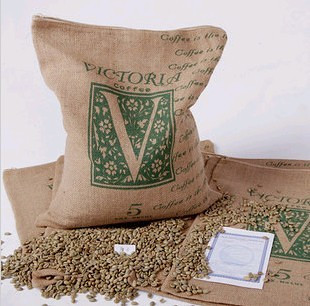
How to Choose and Brew the Best Arabica Coffee Beans
Learn how to select, roast, grind, and brew the best Arabica coffee beans, with key tips on freshness, flavor, and brewing methods.
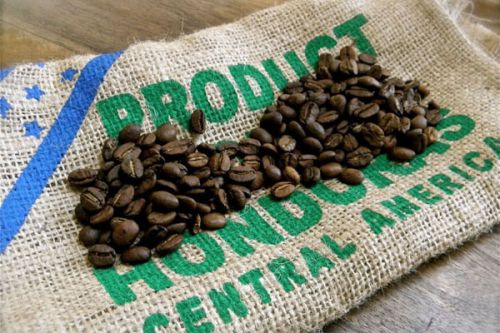
How to Grind & Buy Arabica Coffee Beans: A Complete Guide
Learn the best ways to grind Arabica coffee beans manually or with machines, how long they last, and how grind size affects brewing. Plus, tips for beginners.
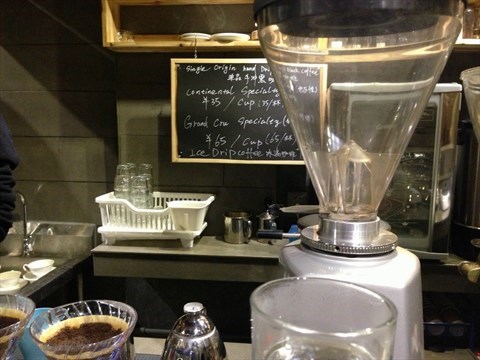
How can Arabica buy good coffee beans? how can Arabica buy good coffee beans?
Although coffee is made from coffee beans, the type of coffee beans here determines the noble status of coffee. So what are the kinds of coffee beans? What is the function of coffee beans? How do you cook coffee beans? How much is a jin of coffee beans? Which brand of coffee beans tastes good? I believe that these are not known to everyone, and there are probably only a few.
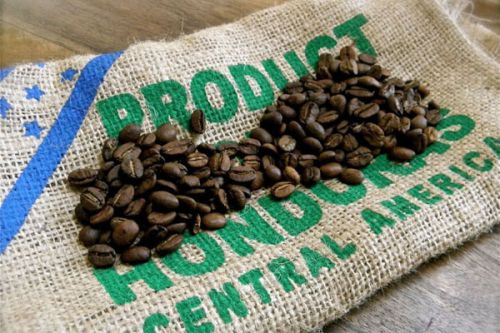
How to Grind Indonesian Arabica for Espresso and Single Origin
Use a grinder with fine adjustment to grind Indonesian G1 Arabica between espresso and filter settings. Manual or machine methods both work—here’s how.
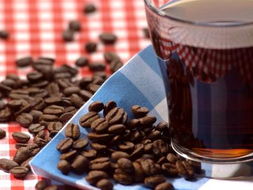
How to Grind Arabica Coffee Beans for Single Origin Brewing
Learn the best ways to grind Arabica coffee beans—manual or machine—and why grind method matters for flavor, especially for single origin coffees.
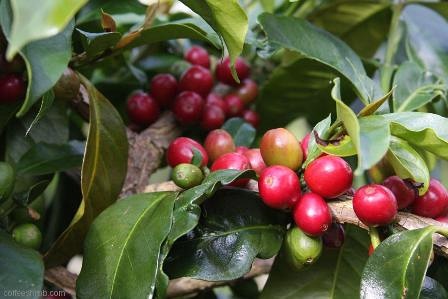
How to Brew Arabica Coffee Beans Your Way
Choose the right brew method, water, dose, and temperature to get the best from your Arabica coffee beans.
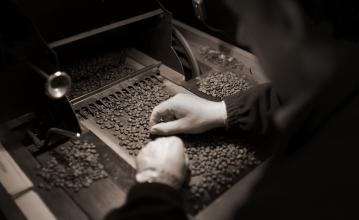
How to Grind Arabica Coffee Beans: Manual vs Machine Methods
Learn the pros and cons of manual and machine grinding for Arabica beans, including grind consistency, speed, and flavor impact.
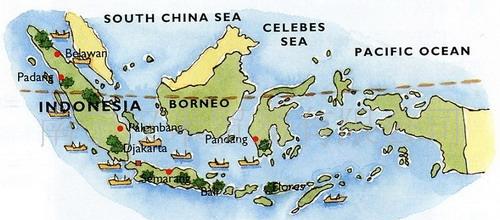
Arabica vs Robusta Coffee Beans: Key Differences & Pricing
Arabica beans dominate specialty coffee with 70–80% market share, prized for acidity and aroma but vulnerable to disease. Here’s why they cost more.
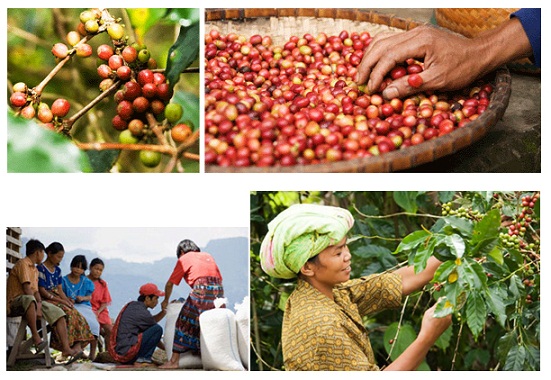
What’s in Arabica Coffee Beans? Nutritional Breakdown
Discover the real nutrients in high-quality Arabica beans—far beyond instant coffee. Learn what makes 19-mesh G1 Mandheling unique.

What Is Arabica Coffee and Why It Matters
Arabica makes up 70–80% of global coffee production. Learn why its acidity, aroma, and delicate profile set it apart from other coffee species.

Arabica vs Robusta Coffee: What’s the Difference?
Learn how Arabica and Robusta differ in flavor, growing conditions, and processing, with a look at Indonesian Sumatran Mandheling coffee.

Famous Arabica Coffee Varieties from Aceh, Sumatra
Explore the key Arabica coffee varieties grown in Indonesia’s Aceh region, especially in the Gayo Mountains, known for bold, spicy profiles.

Arabica vs Other Coffee Beans: What’s the Difference?
Learn the key differences between Arabica and other coffee types, plus explore Aceh’s unique 19+ mesh beans from Sumatra.
Arabica vs Robusta: The Two Main Coffee Species
Learn how Arabica and Robusta differ in growing conditions, flavor, caffeine content, price, and bean shape — the two species that make up nearly all coffee.

Arabica vs Robusta Coffee Beans: Shape, Flavor & Key Differences
Discover how Arabica and Robusta beans differ in shape, taste, and growing conditions—from S-shaped creases to rubbery notes.

Arabica vs Robusta Coffee Beans: Key Differences
Learn how Arabica and Robusta coffee beans differ in growing conditions, flavor, yield, and cultivation challenges. A clear guide for coffee pros.

Colombian Mocca Small Bean: Arabica or Robusta?
This Colombian Mocca small bean is 100% Arabica, a rare Typica-derived variety known for floral, nutty, and sweet flavors like apple and sugarcane.
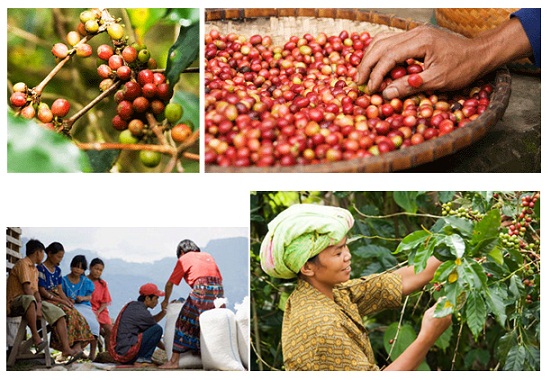
Is Huila Diamond Estate Coffee Arabica or Robusta?
The Huila Diamond Estate in Colombia grows Yellow Bourbon, a classic high-quality Arabica variety — not Robusta.
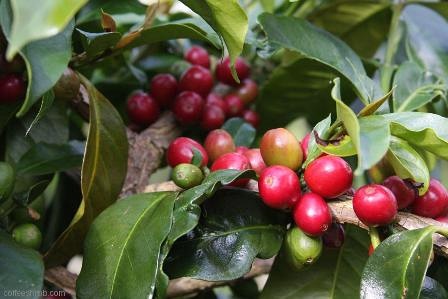
Is Guatemala’s Finca Las Delicias Coffee Arabica or Robusta?
The coffee from Guatemala’s Finca Las Delicias is 100% Arabica, specifically the Bourbon and Caturra varieties, grown at 1,675m in Fraijanes.