
Coffee Arabica
Latest articles, industry insights and brewing guides
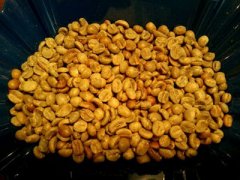
What Makes Java Coffee Special? Indonesian Arabica Facts
Learn why Java, once famed for its high-quality Arabica, is now mostly known for disease-resistant Robusta — and where the real Arabica gems remain.

Ecuador Coffee Guide: Arabica and Robusta from the Equator
Ecuador grows both Arabica and Robusta coffee. Discover its unique highland and organic island beans with floral, fruity, and caramel notes.
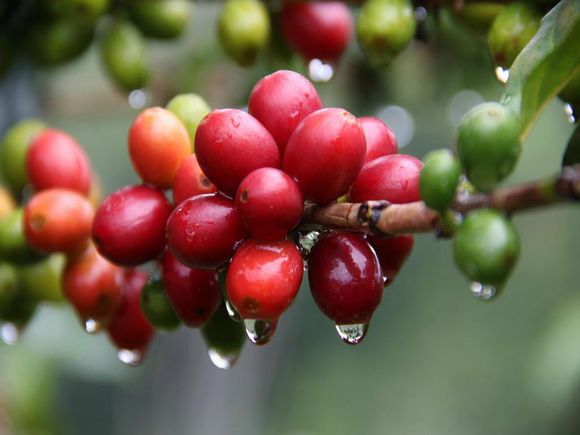
What Makes Rwandan Washed Bourbon Arabica Unique?
Explore the bright, citrusy, and chocolatey profile of Rwanda’s signature washed Bourbon beans, celebrated in global competitions.

Galápagos Islands Coffee: Arabica from Santa Cruz
Learn how Arabica coffee is grown in Ecuador’s Galápagos Islands, particularly on the freshwater-rich island of Santa Cruz at high altitudes.
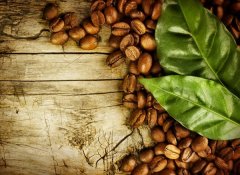
How to Identify Arabica vs Robusta Coffee Beans
Learn the key differences between Arabica and Robusta coffee beans, from growing conditions to flavor profiles and chemical makeup.

What Is Arabica Coffee? Taste, Varieties & Key Facts
Arabica coffee beans offer bright acidity, floral notes, and lower caffeine than Robusta. Learn its origins, flavor profile, and classic varieties.

What Is Arabica Coffee? Flavor, Origin & Best Beans
Arabica makes up 70–80% of global coffee production. Discover its unique flavors, growing regions, and why it’s prized for specialty coffee.

The History and Flavor of Taiwanese Arabica Coffee
Explore how Arabica coffee came to Taiwan, its rise and fall, and where it stands today—with key historic farms and modern picks.
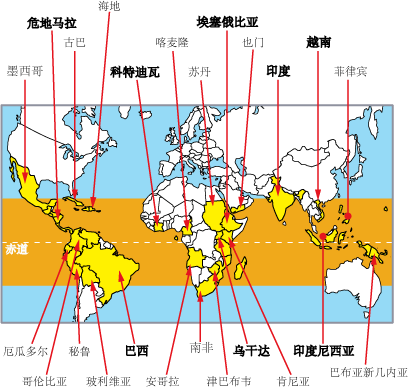
Tahiti Arabica Coffee: Rare Island Specialty Bean
Tahiti Arabica is a rare coffee from French Polynesia’s Tahiti island, known for its smooth, elegant cup. Learn why it's so hard to find.

Philippine Coffee: Arabica and 4 Unique Varieties Grown There
Learn how the Philippines produces four coffee species including rare Liberica and Excelsa, plus its recovery as an Arabica-growing nation.
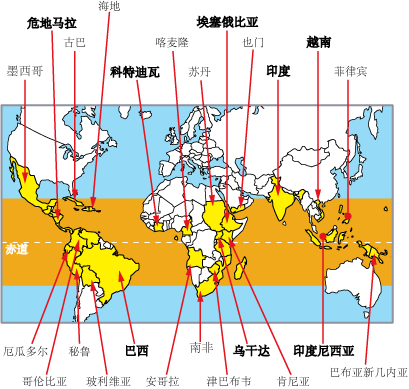
Zimbabwean Arabica Coffee Beans: What Makes Them Special?
Explore Zimbabwe's high-altitude Arabica coffee scene, known for smooth profiles and fruity brightness akin to Kenya AA.
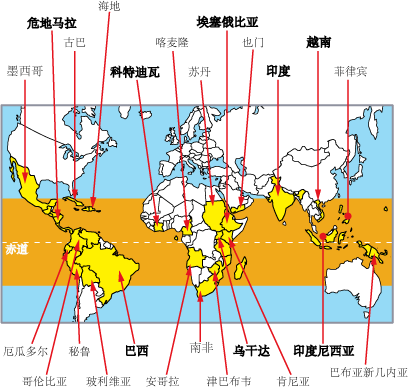
Zaire Coffee: What Makes It Unique Among Arabicas
Explore why Zaire (now DRC) once produced prized Arabica beans, where the best came from, and how political shifts changed its coffee landscape.
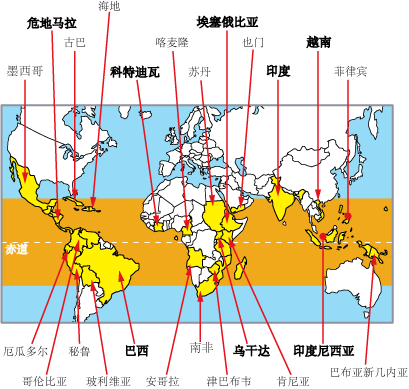
Uganda's Arabica Coffee: What Makes It Special?
Uganda produces just 10% Arabica coffee, mostly from Mount Elgon, Bugisu, and Rwenzori regions. Learn why this minority crop still matters.
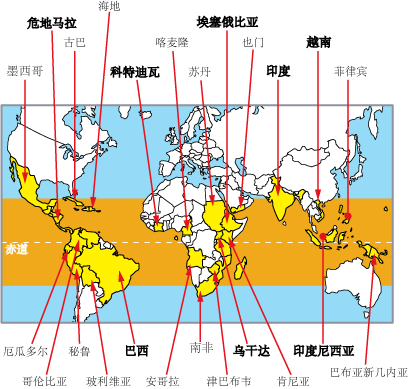
Sudan’s Coffee Legacy: Arabica and Robusta in Conflict
Sudan’s coffee production is nearly extinct after decades of war. Learn how Arabica and Robusta survived in different regions—and why exports are now rare.
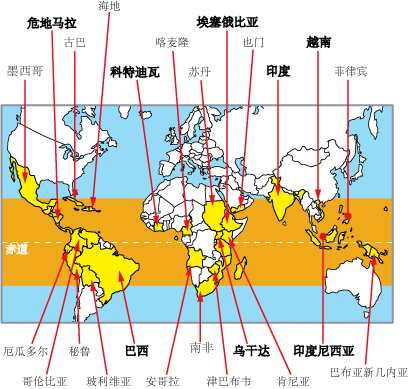
São Tomé and Príncipe’s Rare Arabica Coffee Beans
São Tomé and Príncipe produces small batches of high-quality, softly balanced Arabica coffee with a unique island terroir.
Saint Helena Coffee: Napoleon’s Favorite Arabica Bean
Learn why Saint Helena coffee is so unique, from its 18th-century Yemeni roots to its remote Atlantic island cultivation.
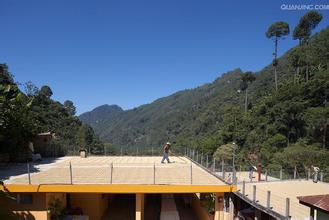
Madagascar’s Emerging Arabica Coffee Potential
Madagascar mainly grows Robusta, but plans to expand Arabica cultivation. Learn how 2000 hectares of Robusta and 5000 hectares of Arabica could reshape its coffee profile.
Burundi Coffee Beans: Flavorful Arabica from a Troubled Region
Discover why Burundi’s high-altitude Arabica coffee delivers bright acidity and floral aromas despite being grown near Rwanda’s conflict zones.
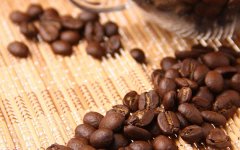
What Is Arabica Coffee? Key Facts About Arabica Beans
Arabica makes up 70%–80% of global coffee production. Discover its origins, flavor traits, processing needs, and what happens if you use expired beans.
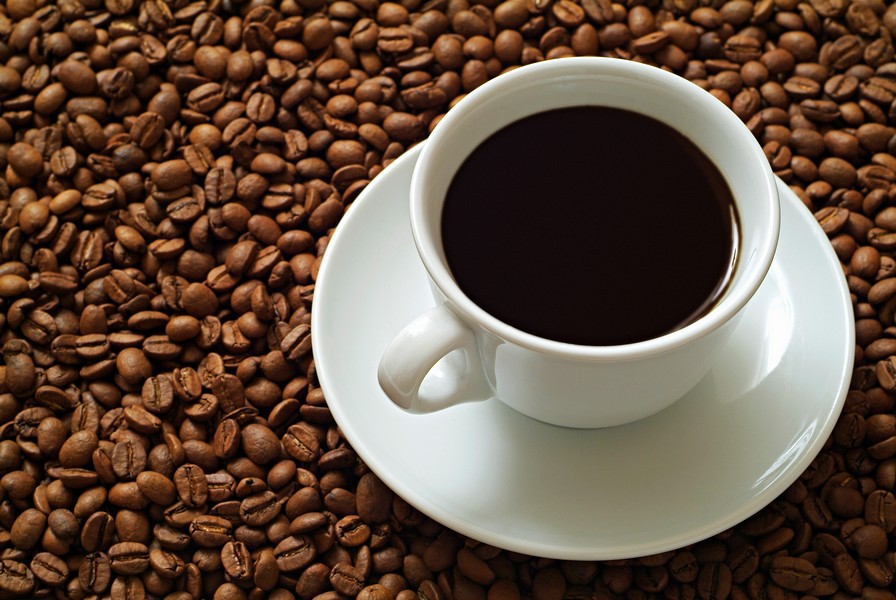
Are Expired Arabica Coffee Beans Safe to Eat?
Eating expired Arabica coffee beans depends on mold or insect damage. Moldy or infested beans can be harmful—best avoid them.