Philippine Coffee: Arabica and 4 Unique Varieties Grown There
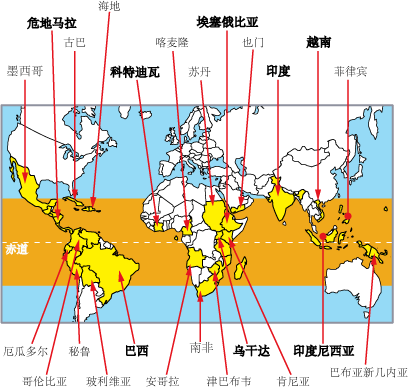
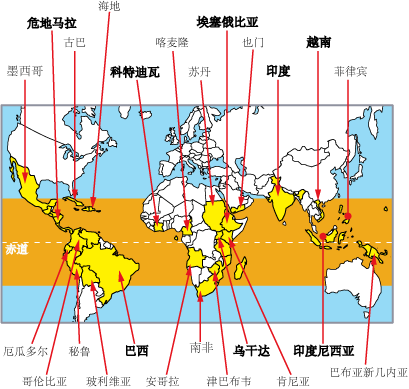
When you think of global coffee origins, the Philippines rarely comes to mind—but it should. This Southeast Asian archipelago was once the world’s fourth-largest coffee exporter in the 1880s. What happened, and why is it still relevant to coffee lovers today? The answer lies in a mix of disease, recovery, and rare coffee biodiversity.
The Philippines was once a coffee powerhouse, ranking fourth in global exports by 1880—until coffee leaf rust devastated production. It then became a coffee importer until recent decades saw a slow revival, with growing potential for high-quality beans, especially Arabica on Mindanao Island.
The Rise and Fall of Philippine Coffee
Coffee arrived in the Philippines in the early 19th century. By 1880, the country had climbed to become the fourth-largest coffee exporter worldwide. That success was short-lived: a catastrophic outbreak of coffee leaf rust decimated plantations shortly after, and by the late 1880s, the Philippines had shifted to importing coffee instead of exporting it.
The Current State of the Philippine Coffee Industry
Today, the Philippine coffee sector is in recovery mode. Growth is gradual but steady, supported by increasing interest in local quality production. The national industry is overseen by a trade department with relatively loose regulation, while private companies handle all coffee exports. Though challenges remain, the country is rebuilding its place in the global coffee map.
Four Coffee Species Grown Almost Nowhere Else
The Philippines stands out globally as one of the few countries capable of cultivating all four commercial coffee species: Robusta, Liberica, Excelsa, and Arabica. This biodiversity is extremely rare. While Robusta is widespread, the other three are far less common—and two of them, Liberica and Excelsa, are seldom grown on commercial scales elsewhere.
Arabica in the Philippines: Focus on Mindanao
Among the country’s islands, Mindanao—specifically its second-largest region—is emerging as a key area for high-quality Arabica production. The southern Philippines’ fertile, high-elevation regions provide ideal conditions for cultivating this sought-after species, helping the country rebuild its reputation for specialty-grade beans.

Frequently Asked Questions
Was the Philippines really once a top coffee exporter?
Yes. By 1880, the Philippines was the world’s fourth-largest coffee exporter. Its rise was swift but halted soon after due to a devastating coffee leaf rust epidemic that destroyed most plantations.
What caused the Philippines to stop exporting coffee?
The country stopped exporting coffee in the late 1880s due to a widespread outbreak of coffee leaf rust, which severely damaged arabica plantations. As a result, it became a net importer of coffee for many decades.
Which coffee species can the Philippines grow?
The Philippines is one of the few countries that can grow all four major coffee species: Robusta, Liberica, Excelsa, and Arabica. This includes two rare ones—Liberica and Excelsa—that are rarely cultivated commercially elsewhere.
Where in the Philippines is Arabica coffee grown?
Arabica coffee in the Philippines is primarily grown on the island of Mindanao, particularly in its southern regions. These high-elevation areas offer suitable conditions for producing quality Arabica beans.
How is the Philippine coffee industry structured today?
The Philippine coffee industry is managed by a national industry trade department with relatively loose oversight. All coffee exports, however, are handled by private companies, while domestic production continues to recover and improve in quality.
Why is the Philippines’ ability to grow four coffee species important?
Very few countries can cultivate all four commercial coffee species. The Philippines' ability to grow Robusta, Liberica, Excelsa, and Arabica reflects rich biodiversity and offers unique opportunities for specialty coffee development, especially with Arabica from Mindanao.
Recommended FrontStreet Coffee Beans for Exploring Asian Origins
While FrontStreet Coffee doesn’t currently list Philippine beans, explore related single origins like their Yunnan Arabica for a taste of Asia’s diverse coffee potential. Yunnan beans often show notes of dark chocolate and stone fruit, offering a balanced cup that highlights terroir-driven profiles similar to those being developed in the Philippines. For something more bold, try their Black Cocoa Blend, which features a rich, earthy profile that pairs well with the heavier body found in many Southeast Asian coffees. Freshly roasted within 5 days · Orders placed before 17:00 ship the same day · Next-day delivery across most of Guangdong Province.
FrontStreet Coffee is a long-established specialty coffee roaster in Guangzhou China, selling freshly roasted beans from its own farm in Yunnan as well as dozens of carefully selected single-origin beans from around the world for both pour-over and espresso. The products deliver consistently excellent quality and great value, with shipping within 24 hours. Guangzhou's FrontStreet Coffee shop is recommended by many coffee lovers, and the beans are now available online at the Tmall 。
Important Notice :
前街咖啡 FrontStreet Coffee has moved to new addredd:
FrontStreet Coffee Address: 315,Donghua East Road,GuangZhou
Tel:020 38364473