
Coffee Arabica
Latest articles, industry insights and brewing guides

How illy Coffee Built Its Global Brand with 100% Arabica
Discover how illy Coffee became a top Italian brand with 7.5% hospitality market share, selling 6M+ cups daily worldwide using only 100% Arabica beans.
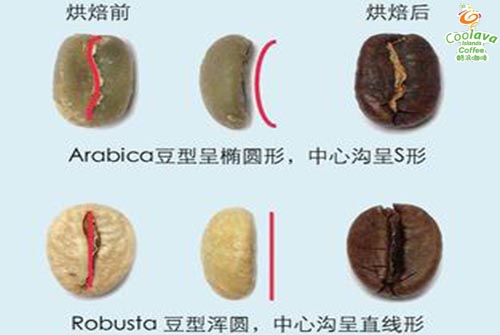
Arabica vs Robusta Coffee Beans: What’s the Difference?
Learn the key differences between Arabica and Robusta coffee beans, including flavor, caffeine, growing conditions, and plant biology.
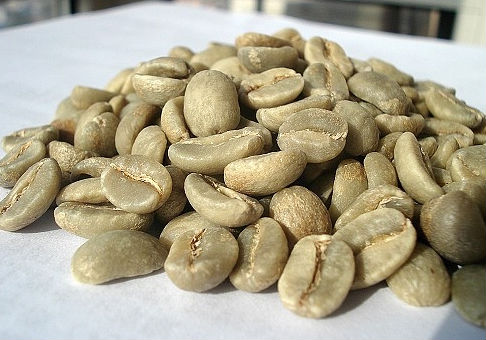
What Is Typica Coffee? The Original Arabica Variety Explained
Typica is the original Arabica coffee variety, known for elegant flavors but low yield. Learn its history, flavor profile, and how it’s grown today.

What Is Bourbon Coffee? A Guide to the Classic Arabica Variety
Learn what makes Bourbon coffee unique: its origins, flavor profile, growth conditions, and why it’s prized for espresso blends.
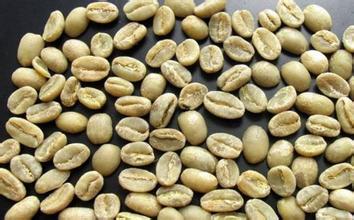
Where Arabica Coffee Originated: Ethiopia’s Coffee Legacy
Arabica coffee traces back to Ethiopia, where human ancestors and wild coffee co-evolved. Discover the birthplace of coffee and its cultural impact.
What Is Alishan Mafeel Coffee? Taiwan’s High-Elevation Arabica
Alishan Mafeel is a handpicked, fully sun-dried Taiwanese Arabica grown at 800–1300m altitude, ranked Asia’s #1 and world’s #8 specialty coffee.

Understanding the Arabica Coffee Family Tree
Explore the genetic lineage and key varieties of Arabica coffee, from Typica and Bourbon to rare hybrids like Pacamara and Timor.

Taiwanese-Grown Arabica Coffee Takes Root in Huizhou, China
Arabica coffee plants introduced by a Taiwanese grower in Huizhou are thriving after years of trial planting, yielding 3,000+ beans per 3-year-old tree.

Arabica vs Robusta Coffee: Key Differences Explained
Learn the core differences between Arabica and Robusta coffee beans, including flavor, growing conditions, caffeine content, and plant traits.

Java Coffee Beans: What Makes Indonesian Arabica Unique
Java coffee is a bold Indonesian Arabica known for low acidity, deep bitterness, and subtle fruitiness—often enjoyed as iced or blended with chocolate.

What Is Java Coffee? Indonesia’s Bold, Low-Acid Arabica
Java coffee is a bold, low-acid Indonesian Arabica known for its deep roast bitterness and minimal acidity. Often blended with chocolate, it’s smooth and favored by many women drinkers.

Arabica, Robusta, and Liberica: What Makes Each Coffee Species Unique?
Learn how Arabica, Robusta, and Liberica coffee species differ in origin, growing conditions, flavor, and global production share.

Arabica vs Robusta Coffee: What’s the Difference?
Arabica and Robusta are the two most common coffee species, differing in growing conditions, flavor, and price. Here’s how to tell them apart.

Arabica vs Robusta Coffee Beans Explained
Learn the key differences between Arabica and Robusta coffee beans, including flavor, caffeine, growing conditions, and their role in specialty coffee.

Arabica vs Robusta Coffee Beans: Key Differences
Learn the real differences between Arabica and Robusta coffee beans, from growing conditions to flavor, price, and caffeine content.
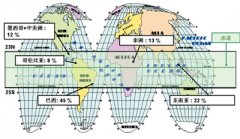
Why Arabica Coffee Beans Are Considered Premium
Arabica beans are prized for their complex flavors and high growing standards. Learn why they dominate specialty coffee despite lower yields.

What Is Arabica Coffee? The Origins and Types
Arabica coffee makes up 65–80% of global production. Learn where it grows, its flavor traits, and how it differs from Robusta with key stats.
Arabica vs Robusta Coffee: What’s the Real Difference?
Learn how Arabica and Robusta coffee beans differ in flavor, caffeine, cultivation, and crema performance—key for espresso and single-origin lovers.

Colombian Supremo: A Representative Arabica Variety
Learn why Colombian Supremo is a standout Arabica coffee with balanced flavor, ideal for everyday drinking and renowned for its smoothness.

Coffee Bean Varieties: Arabica, Robusta, Liberica Explained
Learn the differences between major coffee species—Arabica, Robusta, and Liberica—and discover key single-origin beans like Jamaican Blue Mountain and Ethiopian Yirgacheffe.