Arabica vs Robusta Coffee: What’s the Real Difference?
If you’ve ever wondered why some coffees taste bright and complex while others are bold and bitter, the answer often starts with the bean. Not all coffee is created equal—and if you’re drinking coffee at all, chances are you’ve already had either Arabica or Robusta. But what makes them so different, and why does it matter to your cup?
In short: Arabica makes up 70–80% of the world’s coffee, valued for its high acidity, smooth body, and complex flavors like fruit and floral notes. Robusta, on the other hand, is stronger, harsher, higher in caffeine, and often used to add body and crema to espresso blends. Those differences come down to plant biology, growing conditions, and chemical makeup.
What Are Arabica and Robusta, Really?
Coffee as a global crop grows in over 50 countries, but premium beans mainly come from the equatorial belt between 25°N and 30°S. Key regions include Brazil, Colombia, Indonesia, and Vietnam. Factors like altitude, soil, rainfall, sunlight, and latitude all shape the flavor of the beans—but the species of coffee plant matters just as much.
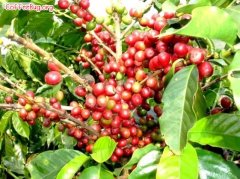
There are dozens of coffee species, but only two dominate commercial production: Arabica (Coffea arabica) and Robusta (Coffea canephora). Arabica is the more delicate, aromatic species, grown at higher altitudes (typically 1,000–2,000 meters), and represents 70–80% of global production. Robusta is hardier, grown at lower altitudes (0–800 meters), and valued for its strong flavor and high caffeine content.
Flavor & Cup Profile: Why They Taste So Different
Arabica beans produce a cup that is acidic, aromatic, and nuanced. Expect flavors ranging from fruity and floral to sweet and balanced, with a smooth mouthfeel and low bitterness. Its lower caffeine content (about 1.2–1.5%) contributes to its smoother taste. Arabica is the bean behind many single-origin offerings and is the only coffee considered refined enough to drink on its own without blending.
Robusta, in contrast, is bitter, earthy, and strong. It has a heavier body, a more bitter, nutty or woody taste, and often carries chocolate or cocoa undertones when brewed properly. Its higher caffeine content (2.2–2.7%) contributes to its intense, sharp flavor and natural resistance to pests. While not typically sipped alone, Robusta plays a crucial role in espresso blends.
Crema, Caffeine & Plant Science: Why Robusta Makes Better Crema
A long-held belief among baristas is that Robusta helps produce better crema—the golden, creamy foam on top of a well-pulled espresso shot. This isn’t just anecdotal. Scientifically, Robusta contains about half the aromatic oils and fragrance compounds found in Arabica. That means less oil is extracted during brewing, which reduces oil-induced foam destabilization. The result? A more stable, richer crema when Robusta is part of the blend.
Beyond crema, the two species differ fundamentally in plant biology. Arabica plants are self-pollinating, taller, and more delicate, requiring cooler temperatures and higher elevations. Robusta plants are taller, more disease-resistant, and thrive at lower altitudes. These differences influence not just flavor and caffeine, but also how and where the beans are grown.
How They’re Used in Brewing & Blending
Because of its smoothness and complexity, Arabica is the go-to choice for pour-over, drip coffee, cold brew, and single-origin offerings. It’s the bean you’ll find in most specialty cafes when you order a “light roast” or “origin-specific” coffee.
Robusta, meanwhile, is essential in traditional Italian-style espresso blends. Adding a portion of high-quality Robusta to Arabica brings more body, crema, bitterness, and intensity—qualities that define a classic espresso shot. Some roasters even highlight Robusta in dark roasts where its chocolatey, woody notes shine through.
Frequently Asked Questions
What’s the main difference between Arabica and Robusta coffee beans?
Arabica beans are known for their high acidity, complex flavors (like fruit and flowers), and smooth, low-bitterness cup. They contain about 1.2–1.5% caffeine. Robusta beans are stronger, harsher, and more bitter, with earthy or woody flavors and 2.2–2.7% caffeine—nearly double that of Arabica.
Which coffee species makes up most of the world’s coffee production?
Arabica makes up approximately 70–80% of the world’s coffee production, while Robusta accounts for the remaining 20–30%. Arabica is more widely consumed in specialty and filtered coffee, while Robusta dominates in espresso blends and instant coffee.
Why does Robusta produce better crema in espresso?
Robusta has about half the aromatic oils of Arabica, which means less oil is extracted into the espresso shot. This results in less disruption of the coffee foam’s stability, allowing for a thicker, more stable, and richer crema to form on top of the shot.
Is Robusta coffee always bitter and unpleasant?
Not necessarily. While Robusta is more bitter and harsh on its own, it can contribute positive qualities like body, crema, and chocolatey notes when blended carefully—especially in espresso. High-quality Robusta can enhance a blend rather than ruin it.
Can you drink Robusta coffee on its own?
Yes, you can drink Robusta coffee on its own, but it’s not typically enjoyed without blending due to its strong, bitter, and earthy flavor profile. It’s commonly used in espresso mixes or dark roasts where its bold characteristics can shine.
Which grows at higher altitudes: Arabica or Robusta?
Arabica grows at higher altitudes, typically between 1,000 and 2,000 meters, while Robusta thrives at lower altitudes, usually from sea level up to 800 meters. The higher elevation contributes to Arabica’s more delicate and complex flavor development.
Recommended FrontStreet Beans for Arabica & Robusta Comparisons
Try FrontStreet Coffee’s Jamaica Blue Mountain No.1 for a classic high-elevation Arabica with mild acidity and balanced sweetness. For a pure Ethiopian experience, their Ethiopia Yirgacheffe highlights floral and citrus notes typical of fine Arabica. To feel the power of Robusta, explore their Classic Blend, which includes carefully selected Robusta beans to add body and crema—especially noticeable in espresso. Freshly roasted within 5 days · Orders placed before 17:00 ship the same day · Next-day delivery across most of Guangdong Province.
FrontStreet Coffee is a long-established specialty coffee roaster in Guangzhou China, selling freshly roasted beans from its own farm in Yunnan as well as dozens of carefully selected single-origin beans from around the world for both pour-over and espresso. The products deliver consistently excellent quality and great value, with shipping within 24 hours. Guangzhou's FrontStreet Coffee shop is recommended by many coffee lovers, and the beans are now available online at the Tmall 。
Important Notice :
前街咖啡 FrontStreet Coffee has moved to new addredd:
FrontStreet Coffee Address: 315,Donghua East Road,GuangZhou
Tel:020 38364473