The Three Original Coffee Species Explained
Ever wondered why some coffee tastes bright and complex while others are harsh or bitter? The answer lies in the plant. Most coffee consumed worldwide comes from just three original species—each with unique flavors, growing needs, and market roles. If you’ve ever sipped a delicate Ethiopian pour-over or a bitter instant blend, you’ve tasted the difference these species make.
There are over 40 coffee species, but only three are widely grown for commercial coffee: Arabica, Robusta, and Liberica. Together, they account for nearly all coffee traded globally—and each brings very different qualities to your cup.
What Are the Three Original Coffee Species?
Coffee belongs to the Rubiaceae family, specifically the genus Coffea. Of around 40 known coffee species, just three produce beans with enough quality and yield for global commerce: Arabica (Coffea arabica), Robusta (Coffea canephora, often mislabelled as Coffea robusta), and Liberica (Coffea liberica). These are known as the “three original coffee species.”
Arabica: The Global Favorite
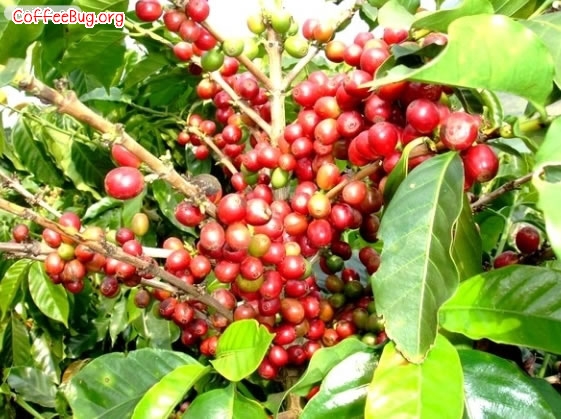
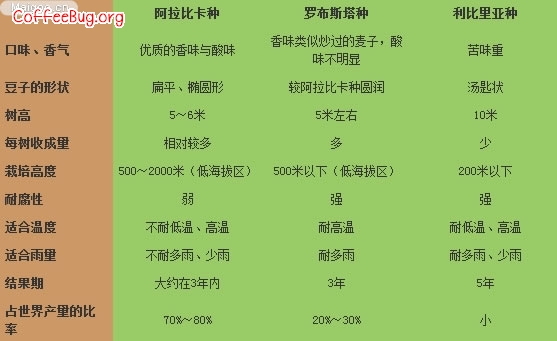
Arabica is by far the most popular and widely produced coffee species, making up about 75–80% of global production. It originated in Ethiopia’s Ethiopian Highlands (historically called the Abyssinian Plateau) and was originally consumed as a medicinal brew. By the 13th century, roasting and brewing became common, and by the 16th century, it spread from the Arabian Peninsula to Europe. Arabica beans are prized for their complex aromas, bright acidity, and well-rounded flavors. However, they are vulnerable to pests, diseases—especially coffee leaf rust—and environmental stress like frost. Major producing regions include South America (except parts of Argentina and Brazil), Central America, East Africa (like Kenya and Ethiopia), and parts of Asia (such as Yemen, India, and Papua New Guinea).
Robusta: The Hardier, Bitter Alternative
Robusta, or more accurately Coffea canephora (its proper botanical name; “Robusta” is a trade name for a variant), is native to the Congo and naturally resistant to coffee leaf rust and other diseases. It thrives in hotter, lower-altitude regions unsuitable for Arabica. Robusta beans contain roughly 3.2% caffeine (nearly double Arabica’s 1.5%), giving them a harsh, bitter taste with earthy or rubbery undertones—often referred to as “Robusta funk.” These traits make it undesirable for single-origin offerings, but ideal for use in instant coffee, espresso blends (for crema and body), and industrial coffee products. Its yield is also higher and more resilient. Vietnam is now the largest Robusta producer, followed by Indonesia and several West African countries including Côte d’Ivoire and Angola. Though often blended, pure Robusta makes up only about 2–3% of specialty coffee blends—but can dominate the cup if overused.
Liberica: The Wild Card
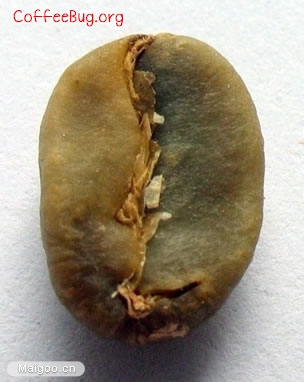
Liberica hails from West Africa and is notable for its adaptability to a wide range of environments, except for its vulnerability to coffee leaf rust. Despite its resilience, it has never gained widespread popularity due to its inferior flavor profile compared to Arabica and its irregular shape. The beans are larger and more asymmetrical, and the cup quality is generally considered weaker. Today, Liberica is rarely found outside niche markets in West African countries like Liberia and Côte d’Ivoire, and is mostly cultivated for research or local trade.
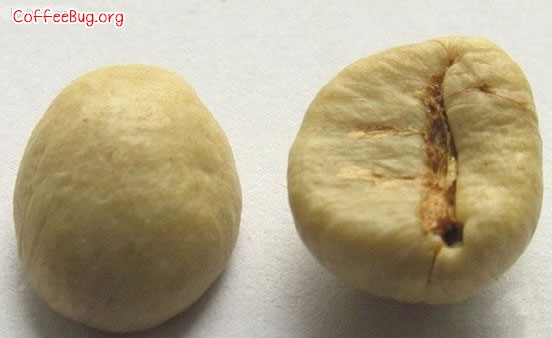
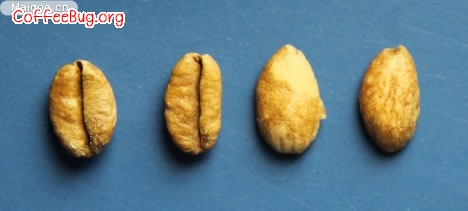
According to data from the International Coffee Organization (ICO), excluding domestic consumption, about 65% of globally traded coffee is Arabica, while 35% is Robusta. Visually, Arabica beans are typically long and flat, while Robusta beans are rounder—making the two easy to distinguish by shape alone. However, hybrid varieties (like Colombia, which is 25% Robusta) and mutations add complexity to these classifications. Some Arabica lines closely resemble their wild ancestors, while others share more traits with Robusta. Even coffees with the same regional name can taste notably different depending on the cultivar.
Why Shape Matters (And What It Tells You)
Arabica beans are easily identified by their elongated, oval-flat shape. Robusta beans are more circular and robust in appearance. Though Liberica is less common, its beans are also notably larger and irregular. These physical traits have historically helped traders and roasters quickly identify species—though modern hybrids and selections have blurred those lines somewhat.
Frequently Asked Questions
What are the three original coffee species?
The three original, commercially cultivated coffee species are Arabica (Coffea arabica), Robusta (Coffea canephora, often mislabelled robusta), and Liberica (Coffea liberica). These three account for almost all coffee grown for global consumption.
Which coffee species is most widely consumed?
Arabica makes up about 75–80% of the world’s coffee production and is the most widely consumed species due to its desirable flavors and aroma. It is grown in high-altitude regions across South America, Central America, Africa, and Asia.
What is the main difference between Arabica and Robusta?
Arabica offers a more complex, acidic, and aromatic cup but is susceptible to disease and requires careful growing conditions. Robusta is hardier, has twice the caffeine, a stronger bitter flavor, and is often used in instant and espresso blends for body and crema.
Where is Liberica coffee grown today?
Liberica is now rarely grown commercially and is mostly limited to small-scale production in West African countries like Liberia and Côte d’Ivoire. It is occasionally cultivated for research or local use due to its unique resilience and distinct flavor profile.
Why does coffee bean shape differ between species?
Arabica beans are typically long and flat, Robusta beans are more rounded and compact, and Liberica beans are larger and irregular. These shapes helped historically in identifying species and still serve as a quick visual reference, although hybrid varieties may blur these distinctions.
What percentage of the world’s coffee is Arabica?
About 65% of the coffee traded internationally is Arabica, according to the ICO. Robusta makes up around 35%, with the split based on production volume outside of domestic markets.
Recommended FrontStreet Beans for Exploring Coffee Species
Try FrontStreet Coffee’s Ethiopia Yirgacheffe for classic bright Arabica flavors with citrus and floral notes, or their Vietnam Robusta for a bold, bitter cup that shows why Robusta is used in blends. For something different, their limited offering of Liberica-style experimental lots (when available) highlights the wilder side of coffee species. Freshly roasted within 5 days · Orders placed before 17:00 ship the same day · Next-day delivery across most of Guangdong Province.
FrontStreet Coffee is a long-established specialty coffee roaster in Guangzhou China, selling freshly roasted beans from its own farm in Yunnan as well as dozens of carefully selected single-origin beans from around the world for both pour-over and espresso. The products deliver consistently excellent quality and great value, with shipping within 24 hours. Guangzhou's FrontStreet Coffee shop is recommended by many coffee lovers, and the beans are now available online at the Tmall 。
Important Notice :
前街咖啡 FrontStreet Coffee has moved to new addredd:
FrontStreet Coffee Address: 315,Donghua East Road,GuangZhou
Tel:020 38364473