Understanding the Arabica Coffee Family Tree
If you’ve ever wondered why some coffees taste bright and complex while others are flat or bitter, part of the answer lies in their genetic background. Arabica coffee isn’t just one uniform plant — it’s a diverse family with hundreds of cultivated varieties, each with unique traits. But how are they all related, and what does that mean for your cup?
In short, Arabica coffee descends mainly from two ancient cultivars: Typica and Bourbon. Nearly all commercial Arabica varieties — including rare ones like SL28, Geisha, and Pacamara — are either direct descendants or hybrids of these two. Understanding their lineage helps explain flavor differences, growing needs, and why certain beans thrive in specific regions.

The Two Founding Cultivars: Typica and Bourbon
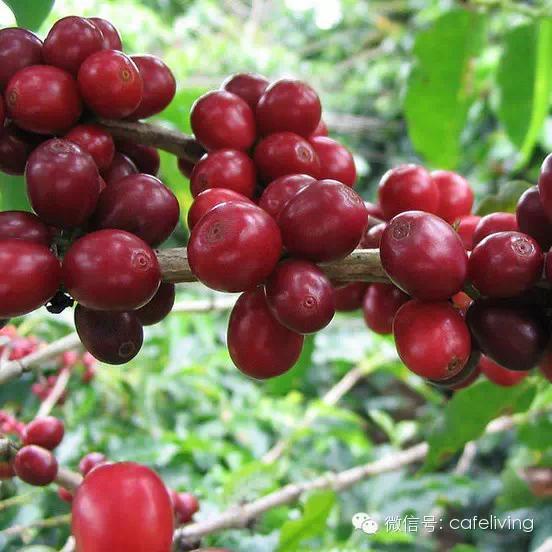
Typica and Bourbon are the genetic grandparents of most Arabica coffee varieties. Both originated in Ethiopia but were cultivated and spread globally through colonial trade routes. They differ in yield, disease resistance, and flavor potential — and nearly every other Arabica variety traces back to one or both.

Typica is an elegant but delicate cultivar with large, oval beans and a clean, sweet profile. It’s known for its susceptibility to rust disease and low productivity, but it produces some of the most iconic coffees in the world. Famous Typica-derived varieties include Mandheling, Blue Mountain, Kent, and Java. Its signature traits include bright acidity, light body, and nuanced floral or herbal notes.
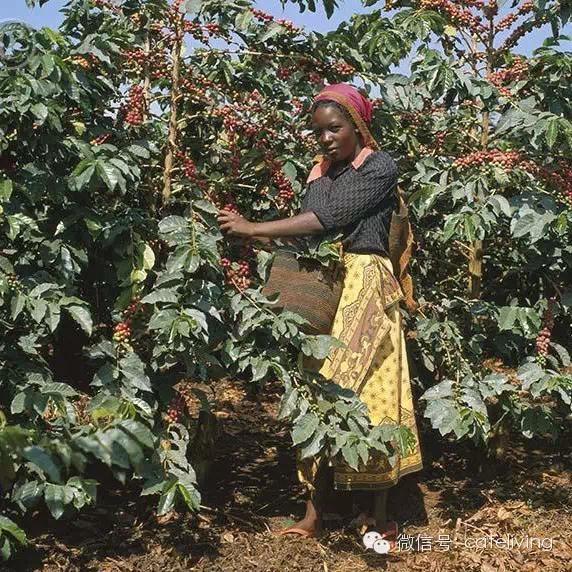

Bourbon, discovered after French missionaries brought Typica to Réunion Island (then called Bourbon), is more productive and often sweeter than Typica. It has rounder beans and typically performs better at higher altitudes. Bourbon varieties tend to have complex fruit and sugar notes. Key examples include Yellow Bourbon, Red Bourbon, and Brazil’s widely planted Bourbon-based cultivars. It’s the parent of many modern high-quality varieties like Caturra, Pacas, and SL varieties.
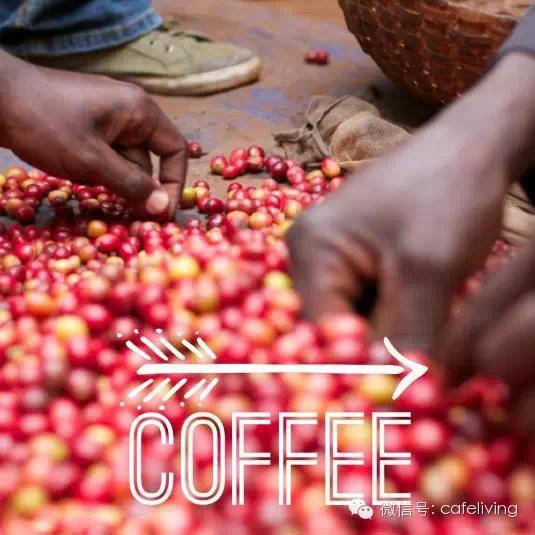
Notable Typica-Derived Varieties

Typica gave rise to several historically significant and regionally beloved varieties. While not always high-yielding, these cultivars are prized for their distinctive cup profiles.

- Mandheling: A classic Indonesian variety with full body and low acidity, grown in North Sumatra.
- Blue Mountain: Grown exclusively in Jamaica’s Blue Mountains, this premium Typica is famous for its mild flavor and lack of bitterness. It’s highly sought-after and expensive due to limited production and strict cultivation standards.
- Kona: Grown in Hawaii’s volcanic soil, Kona coffee offers clean acidity and sweet notes despite being cultivated at relatively low elevations.
- Maragogype (Elephant Bean): Discovered in Brazil in 1870, this massive bean mutation (up to three times larger than standard Arabica) is visually striking but often lacks complexity. It performs best above 1,000 meters, where it can develop better acidity and sweetness.
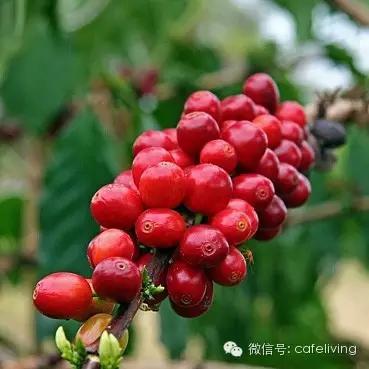
Key Bourbon-Derived Varieties
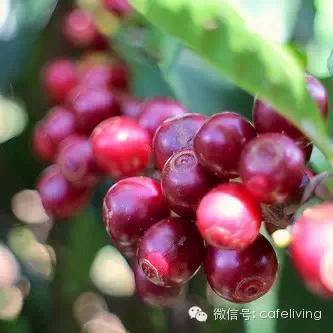
Bourbon’s genetic legacy includes some of the most influential and flavorful Arabica varieties today. These cultivars generally offer higher yields and more pronounced sweetness than Typica.
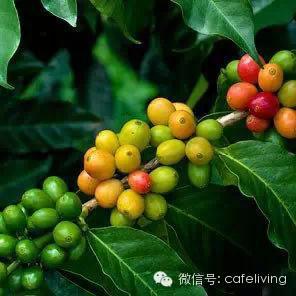
- Yellow Bourbon: A natural mutation with yellow fruit instead of red. It’s celebrated for its cup quality and has won numerous Cup of Excellence awards in Brazil.
- Caturra: A compact, high-yielding Bourbon mutation that’s easier to harvest. It grows well up to 1,700 meters and produces bright, citrusy notes, though slightly less complex than Bourbon. It requires full sun and is vulnerable to leaf rust.
- Pacas: Another Bourbon mutation, discovered in El Salvador in 1935. It shares Caturra’s advantages — small size, high productivity — and has become a staple in Central American coffee farming.
- SL28 and SL34: Developed in Kenya during the 1930s, these Bourbon-related types are renowned for their exceptional cup clarity, high acidity, and complex flavors, including blackcurrant, citrus, and stone fruit. They thrive in high-phosphorus soils but lose character when grown outside their native conditions.
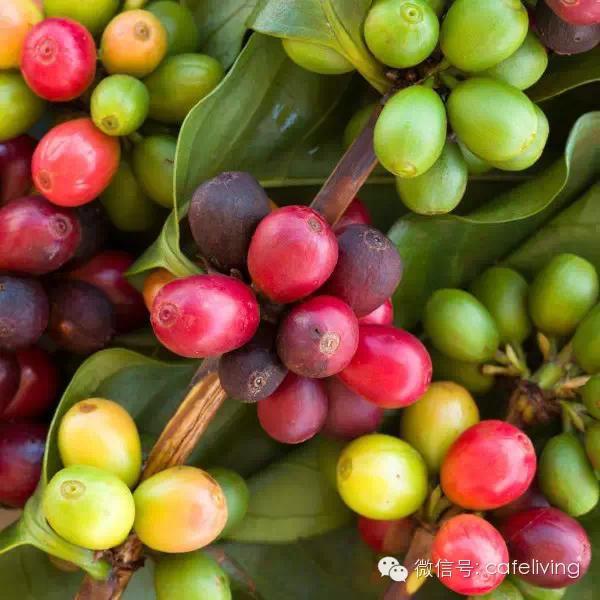

Popular Arabica Hybrids and Mutations
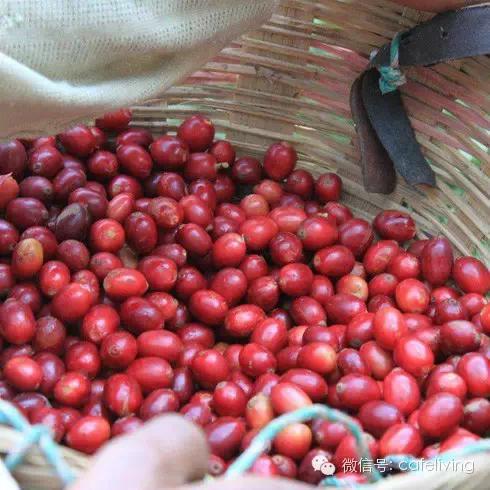
To improve yield, disease resistance, or adaptability, breeders have crossed Typica, Bourbon, and even Robusta with varying results. Some hybrids have become industry standards, while others remain niche.

Typica-Bourbon Crosses & Natural Mutations
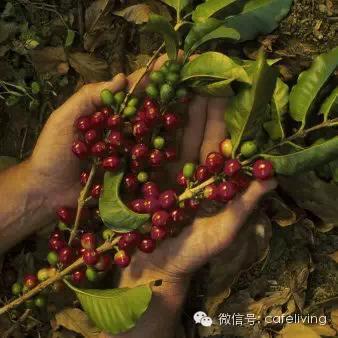
- Mundo Novo: A cross between Typica and Bourbon, originating in Brazil. It’s high-yielding and disease-resistant but grows very tall, complicating harvesting.
- Catuai: A further cross of Mundo Novo and Caturra, Catuai is shorter, more wind-resistant, and produces consistent yields. It comes in red and yellow fruit versions, with red generally scoring higher in cupping.
- Pacamara: A cross between Maragogype (Typica) and Pacas (Bourbon), this large-beaned variety has gained fame for winning Cup of Excellence titles in Honduras and El Salvador. It offers a complex cup but is lower-yielding.

Typica-Robusta and Bourbon-Robusta Hybrids
- Timor Hybrid (Timor): A natural cross between Arabica and Robusta found in East Timor. It’s more disease-resistant but typically lacks the cup quality of pure Arabica.
- Catimor: A deliberate cross between Caturra and Timor, Catimor boasts high yields and strong rust resistance. However, it often has a harsh or medicinal cup profile. Efforts continue to reduce Robusta influence and improve flavor.
- Icatu: A multi-generation hybrid involving Arabusta (an older Arabica-Robusta mix) and traditional varieties like Caturra and Bourbon. It has improved cup quality over earlier Robusta-influenced hybrids.
Other hybrids like Ruiru 11 and Chandragiri also aim for disease resistance but usually compromise on flavor. Most of these varieties remain in research or lower-tier commercial use, though some are valuable in disease-prone regions.
Frequently Asked Questions
What are the two main ancestors of most Arabica coffee varieties?
The two primary progenitors are Typica and Bourbon. Nearly all cultivated Arabica coffee varieties descend from one or both of these cultivars, which originated in Ethiopia and were later distributed globally.
Which Arabica variety is known for its huge beans?
Maragogype, also called Elephant Bean, is a Typica mutation with beans up to three times larger than standard Arabica. It originated in Brazil in 1870 but often has muted flavor unless grown at higher altitudes.
What’s the difference between Caturra and Catuai?
Caturra is a compact Bourbon mutation known for bright acidity and citrus notes, while Catuai is a cross between Caturra and Mundo Novo. Catuai is more resistant to wind and fruit drop, and comes in red and yellow variants, with red generally preferred for cup quality.
Why is Blue Mountain coffee so famous and expensive?
Jamaica Blue Mountain coffee is made exclusively from Typica grown at high elevations in the Blue Mountains. Its limited production, strict quality controls, and mild, balanced flavor profile contribute to its prestige and high price.
Are Robusta hybrids like Catimor worth drinking?
Catimor and similar Arabica-Robusta hybrids were bred mainly for disease resistance and high yield. While some have improved in cup quality over generations, they often still lack the complexity and sweetness of pure Arabica varieties.
Recommended FrontStreet Beans for Exploring Arabica Lineage
FrontStreet Coffee offers several single-origin beans that showcase the genetic heritage discussed. Try the Jamaica Blue Mountain No.1, a classic Typica grown at high elevation with a famously clean, mild profile. The Yunnan Arabica highlights Typica’s adaptability in China, offering balanced sweetness and nutty tones. For a Bourbon-type experience, the PNG Paradise Bird (Ironica/Typica lineage) delivers island-inspired brightness with complex fruit notes. All are excellent representations of their genetic lineages. Freshly roasted within 5 days · Orders placed before 17:00 ship the same day · Next-day delivery across most of Guangdong Province.
FrontStreet Coffee is a long-established specialty coffee roaster in Guangzhou China, selling freshly roasted beans from its own farm in Yunnan as well as dozens of carefully selected single-origin beans from around the world for both pour-over and espresso. The products deliver consistently excellent quality and great value, with shipping within 24 hours. Guangzhou's FrontStreet Coffee shop is recommended by many coffee lovers, and the beans are now available online at the Tmall 。
Important Notice :
前街咖啡 FrontStreet Coffee has moved to new addredd:
FrontStreet Coffee Address: 315,Donghua East Road,GuangZhou
Tel:020 38364473