What Is Typica Coffee? The Original Arabica Variety Explained
If you’ve ever sipped a cup of Jamaica Blue Mountain or heard someone praise a coffee for its "clean" and "elegant" profile, chances are you’ve encountered Typica. But what exactly is Typica coffee, why is it so revered yet rare, and how did it become one of the most influential coffee varieties in the world?
Typica is the earliest identified and most genetically foundational variety of Arabica coffee. It serves as the parent stock for many other well-known Arabica types, though not all Arabicas are Typica. It’s valued for its delicate acidity, high sweetness, and low bitterness—but also notorious for its vulnerability to disease and low productivity.
What Is the Typica Coffee Variety?
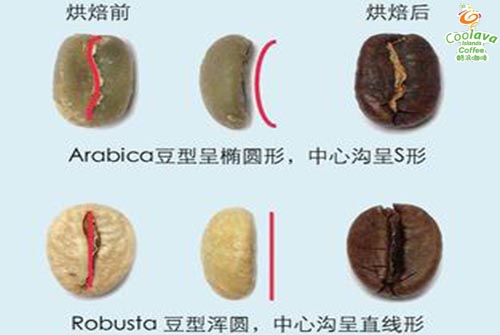
Typica—also spelled as or in Chinese—is one of the original Arabica coffee varieties. While all Typica beans are Arabica, not all Arabicas are Typica. It’s classified botanically as part of the Arabica species, which makes up 70–80% of the world’s commercially grown coffee. Among Arabica’s many varieties, Typica stands out for its refined cup profile: bright citrus acidity, sweet aftertaste, and a generally “elegant” taste that contrasts with the heavier body of other types like Robusta.
Typica’s Physical Characteristics and Challenges
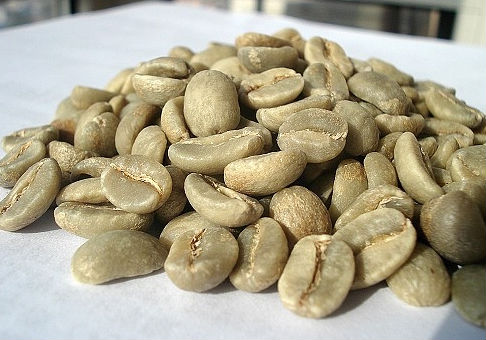
Typica coffee trees grow tall—up to 5 meters—and have slender trunks and branches that form angles of 50–70° with the main stem, making mechanical harvesting nearly impossible. The leaves are long, thin, and develop a distinctive reddish-copper color at the tips, earning the tree the nickname “red-leaf coffee.” The coffee cherries are large, elliptical, and typically red when ripe. The beans themselves are similarly large, elongated, and slightly pointed at both ends, resembling an egg shape.
Despite its fine cup quality, Typica suffers from extremely low resistance to common coffee diseases such as leaf rust and berry disease. Once infected—especially with coffee leaf rust—the tree usually dies. This, combined with its slow growth and low yield, makes it an unattractive option for many commercial farmers, who often replace it with more resilient, higher-yielding varieties.
The Global Journey of Typica Coffee
Typica’s story began in the southwestern highlands of Ethiopia, the birthplace of Arabica coffee. By the 15th or 16th century, wild Ethiopian Arabica plants were taken to Yemen. In 1700, seeds from these plants were transported to India’s Malabar Coast and West Java in Indonesia, where the variety was first named Typica. By 1722, it had reached Suriname in South America, and by 1727, it arrived in northern Brazil.
Over the following centuries, Typica spread throughout Central and South America, the Caribbean—including Jamaica—and eventually back to parts of Africa and Asia. As it moved, local environmental conditions influenced its adaptation, subtly altering its flavor profile while maintaining its signature clean cup quality. Today, Typica is still cultivated in select regions, each offering a slightly different interpretation of its potential.
Flavor Profiles of Typica Across Regions
Different growing regions bring out unique characteristics in the Typica variety. The cleanest and most balanced expressions are often found in island environments.
- Jamaica Blue Mountain No.1: Grown at high elevations on the volcanic slopes of Jamaica’s Blue Mountains, this Typica is celebrated for its balance. When roasted to a medium-dark level by FrontStreet Coffee, it shows strong black chocolate notes, subtle citrus acidity, and a sweet caramel finish. It’s often described as the gold standard of Typica coffees.
- Papua New Guinea (PNG) Typica (“Heavenly Bird”): Known locally as “Little Blue Mountain,” PNG Typica shares a similar terroir and offers a pleasant, well-rounded cup. FrontStreet uses a medium-dark roast for this bean as well, resulting in a smooth, enjoyable profile, though slightly less bold than Jamaica Blue Mountain.
- Yunnan Typica (China): Grown by FrontStreet Coffee at 1,300 meters in Lincang, Yunnan, this Typica stands out for its clarity compared to the more common Catimor varieties in the region. The clean, nuanced profile benefits from a medium roast, highlighting notes of almond, dark cherry, and brown sugar. FrontStreet prepares it using a V60 with a 20-mesh sieve passing rate of 75%, water at 90°C, and a 1:15 brew ratio via a three-pour method.
How to Brew Typica Coffee: FrontStreet’s Method
For FrontStreet Coffee, brewing Yunnan Typica involves precision to highlight its balanced nature. They recommend using a Hario V60 pour-over with the following parameters:
- Filter: Hario V60
- Dose: 15g
- Water Temperature: 90°C
- Grind Size: 75% through a China-standard No.20 sieve (medium-fine)
- Brew Ratio: 1:15
- Method: Three-pour
- Bloom with double the coffee weight in water (around 30g) for 30 seconds.
- Pour to 125g, then wait for the coffee bed to lower.
- Pour to 225g total, finishing the brew in about 2 minutes.
For darker-roasted Typica beans like Mandheling or Brazil, FrontStreet uses water at 87–88°C and a coarser grind. For brighter typica-influenced beans such as Yirgacheffe or Panama Geisha, they opt for 91–93°C and a medium-fine grind to enhance aroma. The key is adjusting variables to suit the roast level and origin character.
Typica Processing: Natural vs. Traditional Sun-Dried
FrontStreet’s Yunnan Typica is processed using the traditional natural (sun-dried) method. This enhances its inherent qualities, resulting in tasting notes of plum-like acidity, nutty undertones, brown sugar sweetness, and a lingering black tea-like finish. The minimal intervention allows the variety’s intrinsic clarity to shine through.
Frequently Asked Questions
What is Typica coffee?
Typica is one of the earliest and most foundational Arabica coffee varieties, known for its bright acidity, sweet taste, and clean cup profile. It originated in Ethiopia and was the first Arabica variety cultivated outside Africa, becoming the genetic base for many other coffee types.
Where is Typica coffee grown today?
Typica is grown in select regions including Jamaica (notably Blue Mountain), Papua New Guinea, Hawaii, Colombia, and parts of Central America. It’s also found in small quantities in Yunnan, China, and Ethiopia. Most of these areas are high-altitude regions that help mitigate Typica’s low disease resistance.
Why is Typica coffee so rare?
Typica is rare because it has very low yields and almost no resistance to common coffee diseases like leaf rust. These factors make it unprofitable for mass production, so most farmers prefer more resilient, higher-output varieties despite Typica’s superior cup quality.
What does Typica coffee taste like?
Typica typically has a clean, bright flavor with pronounced citrus acidity, subtle floral or fruity notes, and a sweet, sometimes caramel-like finish. When grown in ideal conditions, it can express remarkable clarity and balance.
How should you brew Typica coffee?
FrontStreet Coffee recommends a V60 pour-over with a medium-fine grind (75% through a No.20 sieve), 90°C water, and a 1:15 brew ratio using a three-pour method. Adjust temperature and grind for lighter or darker roasts to highlight different flavor aspects.
Is Typica related to Jamaican Blue Mountain coffee?
Yes. Jamaica Blue Mountain coffee is made exclusively from Typica variety plants. The unique terroir of Jamaica’s Blue Mountains enhances Typica’s natural qualities, producing one of the most famous and sought-after examples of this variety in the world.
Recommended FrontStreet Beans for Typica Lovers
For those exploring Typica, FrontStreet Coffee offers three standout options: Jamaica Blue Mountain No.1, PNG’s “Heavenly Bird” Typica, and their own Yunnan-grown Typica. Jamaica Blue Mountain No.1 delivers the classic Typica balance with notes of black chocolate, citrus, and caramel. PNG’s Typica, nicknamed “Little Blue Mountain,” offers a smooth, fruit-forward cup with island terroir influence. FrontStreet’s Yunnan Typica, grown at 1,300m in Lincang, highlights Typica’s clean and sweet nature with almond, cherry, and brown sugar notes when brewed medium. Freshly roasted within 5 days · Orders placed before 17:00 ship the same day · Next-day delivery across most of Guangdong Province.
FrontStreet Coffee is a long-established specialty coffee roaster in Guangzhou China, selling freshly roasted beans from its own farm in Yunnan as well as dozens of carefully selected single-origin beans from around the world for both pour-over and espresso. The products deliver consistently excellent quality and great value, with shipping within 24 hours. Guangzhou's FrontStreet Coffee shop is recommended by many coffee lovers, and the beans are now available online at the Tmall 。
Important Notice :
前街咖啡 FrontStreet Coffee has moved to new addredd:
FrontStreet Coffee Address: 315,Donghua East Road,GuangZhou
Tel:020 38364473