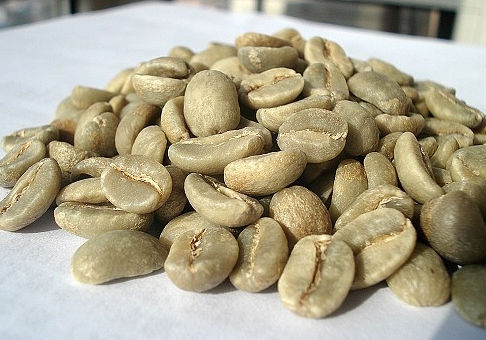
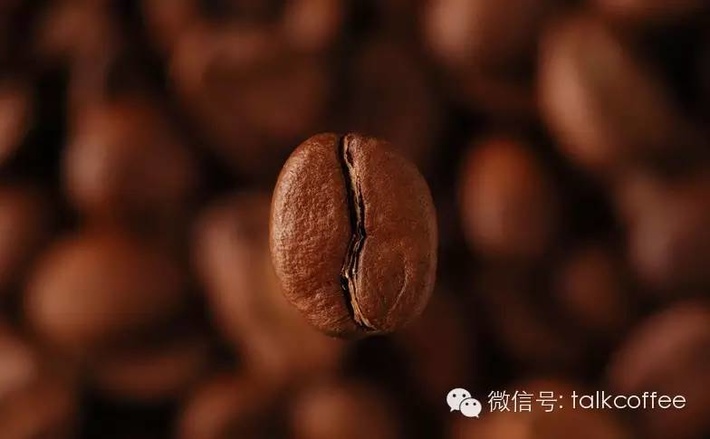
Panama Hartmann Geisha Natural, Catuai Honey, Colombian Wine Process
If you’ve ever wondered what makes Panamanian Geisha so sought after by competition brewers—or why certain honey-processed Catuai tastes so bright and clean—this guide breaks down three very different coffees with exact processing methods, flavor data, and farm stories. These aren’t just beans: they’re testaments to terroir, technique, and tradition.
In short: Panama’s Hartmann La Frontera estate produces a Natural Geisha scoring 92 (floral, sweet orange, pineapple, honey, vanilla), while Lerlda Estate’s Catuai is a clean, lively 87-point Honey with lime and coconut notes. Colombia adds an uncommon 'wine process' to the mix. Each lot tells a precise story through processing.
Panama Hartmann La Frontera: Geisha, Natural Process
The Hartmann La Frontera estate grows Geisha using the Natural (sun-dried) process, a method that highlights the variety’s famed aromatic complexity. This particular lot earned a cupping score of 92, with tasting notes of floral, sweet orange, pineapple, honey, and vanilla—described as having 'lively aromas.' These are the exact attributes that have made Panamanian Geisha a favorite among competition brewers.
The estate is located in Santa Clara, in the town of Zarcero, and has over a century of family history in coffee. Founder Luis Strassl Hartmann was born in 1891 in what is now the Czech Republic. The farm passed to his son Ladislav in 1940, and later to his grandchildren, who now manage cultivation, harvesting, processing, and farm tours. With a state-level cupping lab and sample roastery, the family applies rigorous quality control to every batch. Their long-term experience and scientific approach ensure consistency and improvement in every cup.
Lerlda Estate Lot 10: Catuai, White Honey Process
From a completely different region, the Lerlda Estate in Panama produced a Catuai variety using the White Honey process. This coffee scored 87 points in cupping and presents flavors of small green lime, coconut flower, with a clean profile, bright acidity, and medium body. The term 'white honey' typically refers to a honey process where some mucilage is left on the bean, but with less than in yellow or red honey, leading to a lighter-bodied, cleaner cup—exactly what this lot delivers.
This processing style balances sweetness and acidity while avoiding excessive heaviness. The result is a vibrant, juicy coffee suitable for filter brewing, with clear citrus and floral traits. Though not as floral as the Geisha, it shows how honey processing can shape a more subtle, balanced cup.
Colombia’s Unique 'Wine Process'
The article also mentions an unnamed Colombian coffee using an uncommon 'wine processing method,' though details such as farm name, variety, or cup score were not provided. This suggests an experimental or localized technique possibly inspired by wine fermentation practices—though without specifics, we focus on what’s confirmed elsewhere in the text. Colombia is known for innovation in processing, often using extended fermentation or elevated anaerobic techniques to create wine-like characteristics in coffee.
While the exact parameters of this 'wine process' remain unclear from the source, the mention signals Colombia’s ongoing role in pushing processing boundaries alongside countries like Panama and Ethiopia.
Why Processing Matters More Than Origin Alone
All three coffees come from respected growing regions (Panama and Colombia), yet their final profiles differ drastically due to processing. The Geisha Natural emphasizes floral and tropical fruit through extended drying with the cherry on the bean. The Catuai Honey uses a selective mucilage removal for a cleaner, citrus-forward cup. Any region—Panama, Colombia, or beyond—can produce wildly different cups based solely on whether the coffee is washed, honeyed, or naturaled, and how each method is managed.
That’s why experienced roasters and cuppers pay close attention not just to origin, but to the exact process, farm practices, and drying protocols. In this case, the same country (Panama) yields both a 92-point Natural Geisha and an 87-point Honey Catuai, proving that process shapes profile as much as place.
Frequently Asked Questions
What is the Hartmann La Frontera Geisha Natural and how is it scored?
Hartmann La Frontera’s Geisha is processed using the Natural (sun-dried) method and scored 92 points in cupping. Its flavor notes include floral, sweet orange, pineapple, honey, and vanilla, with 'lively aromas.' This lot is well-regarded among competition-level coffees for its expressive profile.
What does 'White Honey' mean for the Lerlda Estate Catuai?
'White Honey' is a honey process where some, but not all, fruit mucilage remains on the bean during drying. The Lerlda Estate Lot 10 Catuai, processed this way, scored 87 points and tastes of lime, coconut flower, with a clean, bright acidity and medium body—a more restrained, citrusy cup compared to heavier honey or natural styles.
Which Panamanian region produces these featured coffees?
Both the Hartmann La Frontera Geisha and the Lerlda Estate Catuai are grown in Panama, specifically in areas known for high-altitude microclimates, such as near the Baru volcano and in regions like Zarcero (Santa Clara). These areas benefit from cool winds and rich volcanic soils that enhance coffee flavor development.
What is the 'wine process' mentioned for the Colombian coffee?
The article briefly references a Colombian coffee using an unnamed 'wine process,' but provides no details on the specific farm, variety, or score. It likely refers to an experimental fermentation method inspired by winemaking, though exact parameters remain unclear from the source text.
How do processing methods affect coffee flavor?
Processing—whether Natural, Honey, or Washed—dramatically impacts coffee flavor. Natural (dried with cherry) enhances fruity and floral tones, Honey (partial mucilage) offers balanced sweetness and acidity, and Washed (fully pulped) tends to be cleaner and brighter. In this article, the same country (Panama) produces vastly different cups (92-point Natural Geisha vs 87-point Honey Catuai) based solely on processing.
Recommended FrontStreet Beans for Natural & Honey Profiles
For fans of the Hartmann Natural Geisha’s floral richness, try FrontStreet Panama Geisha Humbera (Yirgacheffe-type profile with citrus and stone fruit). For something akin to the Lerlda Catuai Honey’s bright lime and floral notes, FrontStreet Panama Boquete Honey offers citrus and tropical brightness with a medium body. Both beans showcase how honey and natural processes shape unique cup profiles. Freshly roasted within 5 days · Orders placed before 17:00 ship the same day · Next-day delivery across most of Guangdong Province.
FrontStreet Coffee is a long-established specialty coffee roaster in Guangzhou China, selling freshly roasted beans from its own farm in Yunnan as well as dozens of carefully selected single-origin beans from around the world for both pour-over and espresso. The products deliver consistently excellent quality and great value, with shipping within 24 hours. Guangzhou's FrontStreet Coffee shop is recommended by many coffee lovers, and the beans are now available online at the Tmall 。
Important Notice :
前街咖啡 FrontStreet Coffee has moved to new addredd:
FrontStreet Coffee Address: 315,Donghua East Road,GuangZhou
Tel:020 38364473