
Coffee Arabica
Latest articles, industry insights and brewing guides
The Three Main Coffee Tree Species: Arabica, Robusta & Liberica
Learn which coffee tree species produce the world’s best beans. Arabica makes up 70% of global production, while Robusta and Liberica fill niche roles.

Washed Rwandan Arabica Coffee Beans Explained
Rwandan washed Arabica beans offer soft, intense flavors with grassy notes and tropical character. Learn why these beans are uniquely African.

São Tomé and Príncipe: Small-Batch High-Quality Arabica Beans
São Tomé and Príncipe produces just 1,000 bags of high-quality washed Arabica coffee yearly, mostly shipped to Scandinavia.

Papua New Guinea Coffee: Washed Arabica Beans
Papua New Guinea produces high-quality washed Arabica coffee with bright fruitiness and balanced acidity, grown at 1300–1800m in rich volcanic soil.
How to Grow Specialty-Grade Arabica Coffee in Small Holdings
Key steps for cultivating high-quality small-seed Arabica coffee, from site selection to tree management — with precise climate, soil, and planting specs.

What Is Smallholder Arabica Coffee Fresh Fruit?
Learn the grading, harvest rules, and handling standards for small Arabica coffee cherries, especially those grown in Pu'er.

The Three Original Coffee Species: Arabica, Robusta, and Liberia
Learn which of the three original coffee species—Arabica, Robusta, or Liberia—produces your favorite cup. This guide covers origin, flavor, and growing conditions.
Java Arabica Coffee Beans Explained: What Makes Them Unique?
Explore the origins, processing, and flavor of Java Arabica beans, including Yunnan-grown Typica and FrontStreet’s washed and natural lots.

What Are Brazilian Arabica Coffee Beans?
Brazilian Arabica beans are low-acid, nutty, and chocolatey with balanced body. They’re ideal for espresso blends and affordable single-origin brewing.

Ethiopia: The Birthplace of Arabica Coffee Explained
Learn why Ethiopia is called the home of Arabica coffee, how its processing methods shape flavor, and what makes its regions unique.

What Is Arabica Coffee? Definition and Key Facts
Arabica is a coffee species making up 75% of global production, known for its complex flavors but varying widely in quality.
Arabica vs Liberica: Small and Large Coffee Varieties Explained
Explore the key differences between small-seed (Arabica) and large-seed (Liberica) coffee varieties, including yield, flavor, disease resistance, and plant traits.

When Are Coffee Beans Harvested? Arabica Peak Season
Most Arabica coffee cherries ripen between June and August, while Robusta matures later in September–October. Harvest timing varies by altitude and region.

Arabica vs Robusta Coffee Beans: Key Differences
Find out how to tell Arabica and Robusta coffee beans apart, from shape and caffeine content to growing conditions and global market share.

Ecuador: World’s Highest Altitude Arabica Coffee Producer
Ecuador may grow Arabica coffee at the highest elevations globally, with premium beans harvested in early June and exported mainly to Scandinavia.
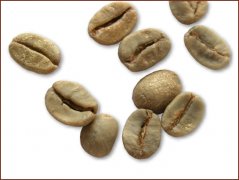
What Do Brazilian Arabica Coffee Beans Look Like?
Explore images and details of Brazilian Arabica coffee beans, including common traits, processing styles, and flavor profiles.

The Three Original Coffee Species Compared: Arabica
Learn how Arabica, Robusta, and Liberica differ in origin, growing conditions, flavor, and global production share.
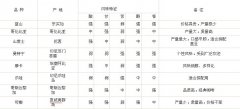
How Single-Origin Arabica Coffee Varies by Farm and Region
Learn how Arabica coffee flavors differ by region and estate, with key characteristics for major coffee-growing areas worldwide.

Where Arabica Coffee Is Grown Around the World
Explore global Arabica coffee production by country—yields, regions, elevations, flavors, and classic processing styles.
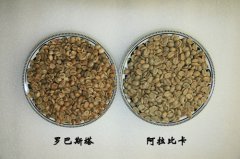
Arabica vs Robusta Coffee Beans: What’s the Difference?
Arabica beans are longer, flatter, and typically greener; Robusta beans are rounder, thicker, and paler. But appearance alone isn’t reliable for telling them apart.